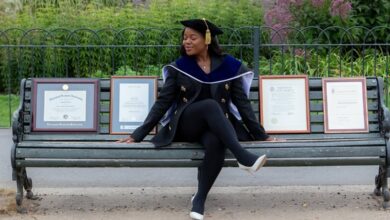
Tatenda Dzvimbo’s Journey From Rural Zimbabwe to Global Leadership in Development
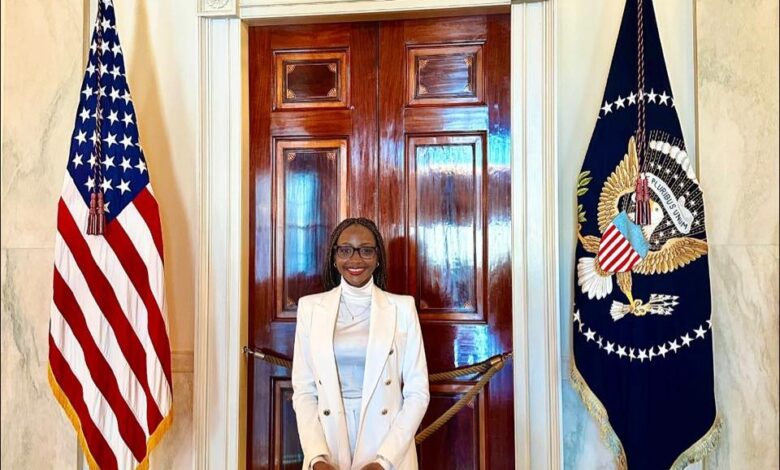
Tatenda Dzvimbo’s story reflects a clear and disciplined approach to leadership shaped by experience, purpose, and service. Her path did not begin in global institutions or high profile spaces, but in a rural setting where values such as discipline, faith, and education formed her foundation. At Langham Girls High School in Zimbabwe, she developed the mindset that would guide her future decisions and ambitions. From an early stage, she understood that success required consistency, focus, and a commitment to something greater than personal gain. This early grounding continues to influence how she approaches leadership today. Her journey shows that strong foundations often determine long term impact.
At the age of 16, Dzvimbo made a major transition that changed the direction of her life. She became the first Zimbabwean student to attend the United World College in Mostar, Bosnia and Herzegovina on a full scholarship. Moving away from home introduced new challenges, but it also created opportunities for growth and exposure. Living in a post conflict city placed her in an environment where global issues were visible and immediate. She interacted with students from different cultural and social backgrounds, which expanded her understanding of identity and responsibility. This experience shifted her perspective from a local outlook to a global one, while strengthening her connection to Zimbabwe.
Her time at United World College shaped her view of leadership as a responsibility rather than a position. She learned that leadership requires action, awareness, and a commitment to serve others. Exposure to global challenges helped her understand the importance of contributing to meaningful change. This mindset became a guiding principle in her academic and professional journey. She began to see leadership as a tool to create access and improve systems for others. This shift influenced her decisions as she moved into higher education and professional spaces.
Dzvimbo continued her academic journey in the United States at the University of Oklahoma, where she pursued both a Bachelor’s and Master’s degree in Economics and International Development. She arrived as a UWC Davis Scholar, carrying not only her ambitions but also the expectations of those who supported her journey. During her time at the university, she achieved several leadership milestones that set her apart. She became the first international student representative on the Mayor’s Roundtable and earned recognition as a Withrow Leadership Scholar. She was also named Outstanding Senior in the College of International Studies and selected to the Homecoming Royalty Court. These achievements reflect her ability to perform at a high level while navigating new and demanding environments.
One of her most impactful contributions was the founding of the African Women’s League, an organisation designed to support African female students studying abroad. The initiative addressed real challenges such as cultural adjustment, academic pressure, and limited support networks. Over time, it evolved into African Women’s League Global, expanding its reach and influence. This work highlights her focus on creating systems that support others beyond her own success. She believes that leadership must create opportunities for those who follow. Her approach focuses on inclusion, access, and long term impact rather than recognition.
Despite her achievements, Dzvimbo faced challenges that tested her resilience and determination. As an immigrant and young African woman in competitive global environments, she encountered pressure to prove herself consistently. There were moments of doubt and uncertainty, especially when navigating unfamiliar systems. She relied on faith, family, and a strong sense of purpose to stay grounded during these periods. Her ability to continue despite these challenges reflects a practical form of perseverance. She views resilience as a daily decision to keep moving forward even when conditions are difficult.
Today, Dzvimbo works in housing and community development, focusing on issues that directly affect quality of life. She sees housing as a key factor in stability, education, and community growth. Her work aims to address structural inequalities that limit access to safe and sustainable living conditions. She collaborates with major global institutions such as the United Nations, the World Bank, and the African Union. Through these partnerships, she contributes to development strategies that reflect real community needs. Her approach combines technical knowledge with lived experience, which strengthens the relevance of her work.
Her leadership philosophy is based on service and effectiveness rather than visibility. She focuses on understanding what is needed and delivering results that benefit others. In global spaces, she represents not only herself but also her country and broader African perspectives. She has learned to value her voice and use it to influence discussions and decisions. Her Zimbabwean background plays a key role in shaping how she approaches global challenges. Growing up during economic instability gave her insight into how policies affect everyday lives. This perspective allows her to engage with development work in a practical and informed way.
Dzvimbo believes that Zimbabwe’s youth hold strong potential but face real barriers to opportunity. She highlights the need for access to mentorship, information, and professional networks. Without these resources, many young people struggle to reach their full potential. Her work and advocacy focus on creating pathways that make opportunities more accessible. She draws inspiration from her mother, whose emphasis on education shaped her outlook. This influence reinforced the importance of using knowledge as a tool for advancement.
Tatenda Dzvimbo’s journey shows that leadership grows through action, discipline, and purpose. Her path from rural Zimbabwe to global development spaces reflects a clear commitment to service and impact. She continues to focus on building systems that create opportunities for others while maintaining strong ties to her roots. Her message to young people is direct and practical, your starting point does not define your future. With the right mindset and access to opportunities, progress is possible. Her story stands as a clear example of how focused leadership can drive meaningful change across communities and borders.