Emmanuel Makandiwa Under Fire for “Parallel Manifestations” Sermon Amid Online Backlash
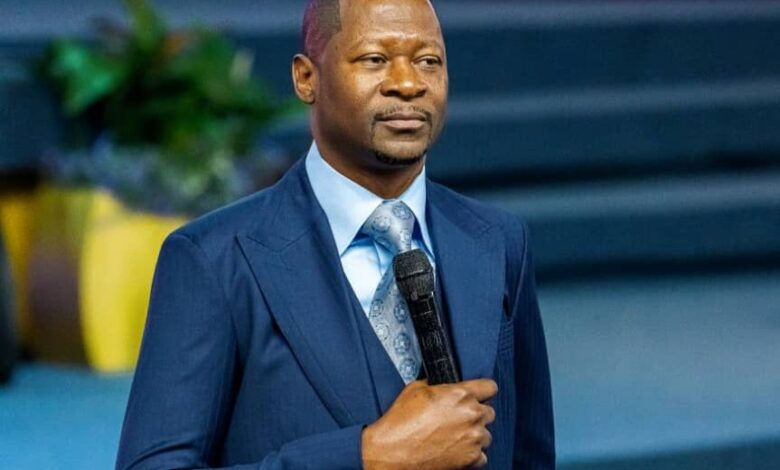
United Family International Church (UFIC) founder and self-styled prophet Emmanuel Makandiwa is facing intense public backlash after a recent sermon in which he claimed that Zimbabwe exists in “parallel manifestations” — a statement widely interpreted as a defense of the country’s leadership under President Emmerson Mnangagwa. The remarks have ignited a storm of criticism, satire, and debate across social media platforms.
The sermon, which went viral within hours, has been viewed and reposted tens of thousands of times, especially on X (formerly Twitter), where users dissected, mocked, and challenged Makandiwa’s message. His assertion that those criticizing Zimbabwe’s leadership suffer from “limited eyesight” struck a nerve among Zimbabweans grappling with economic challenges, rising poverty, and political disillusionment.
“I have people that probably used to follow me, that stopped following me because they saw that I was aligned to the President,” Makandiwa said during the sermon.
Though he did not name Mnangagwa directly, the implication was clear to many — and it did not sit well with large sections of his audience.
In the hours following the sermon’s circulation, #Makandiwa trended across platforms, as users weighed in on what they saw as a disturbing blend of religious authority and political endorsement. The outrage spanned sharp criticism, satire, and deeply personal reflections.
“Ah yes, Prophet Makandiwa, the spiritual hustler in a designer suit, popping up again with his cosmic gibberish about ‘parallel manifestations,’” wrote one user. “Man really thinks he’s Zimbabwe’s Doctor Strange while people are starving under the very regime he worships.”
Another, echoing a common frustration among diasporans supporting family back home, shared: “Once upon a time, I was helping my uncle with medical treatment costs, but I stopped sending him money after his wife revealed that half of it was going to Makandiwa’s church!”
“He has been watching too many Marvel movies. He is explaining the plot for Ant-Man 2 going to Avengers,” quipped one user, referencing the surreal tone of the sermon.
Makandiwa, who commands a large following both in Zimbabwe and among the diaspora, has often positioned himself as a messenger of hope. But his recent comments appear to have backfired, with many accusing him of using spiritual language to obscure harsh realities on the ground.
While Makandiwa’s defenders say he was simply urging Zimbabweans to adopt a positive perspective and focus on spiritual growth, critics argue that his message effectively shields the government from accountability.
“Preach hope, yes,” one user wrote. “But don’t package it as an excuse for suffering or a vote of confidence in failure.”
Others saw the sermon as part of a troubling trend in Zimbabwean religious circles, where influential leaders appear to align with political elites — either out of conviction or convenience — thereby blurring the lines between pulpit and politics.
The controversy highlights the broader issue of how religious figures wield influence in Zimbabwean society. With the public increasingly critical of worsening socio-economic conditions, any perceived endorsement of the status quo — especially from trusted spiritual leaders — is met with skepticism, if not outright hostility.
Makandiwa’s church, known for its modern aesthetic, media-savvy image, and appeal to Zimbabwe’s urban middle class, has often attracted followers looking for prosperity, prophecy, and direction. However, this latest episode suggests that even charismatic authority has limits when weighed against the daily realities of life in Zimbabwe.
As the dust settles, what remains clear is that public patience is wearing thin — not only with politicians, but with those seen to enable or defend them, even from the pulpit. Whether Makandiwa doubles down or walks back his message remains to be seen, but for many Zimbabweans, the sermon will be remembered not as a message of vision, but as a moment of disconnect.