Global Environment Facility to Launch Wildlife Conservation Bonds Across Africa
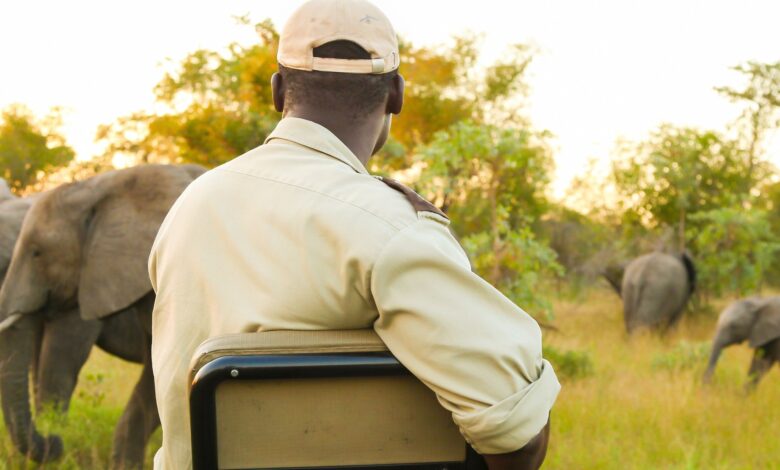
The Global Environment Facility (GEF), the world’s longest-standing multilateral fund focused on climate and environmental sustainability, is preparing to launch a new wave of wildlife conservation bonds designed to help African nations protect endangered species and vital ecosystems.
This innovative financing model builds on the success of the World Bank-backed “rhino bond” issued in 2022, which pioneered results-based funding tied directly to conservation milestones such as reduced poaching. That model provided low-cost capital that rewarded successful conservation outcomes, and now the GEF aims to scale that approach across the African continent.
GEF’s ambitious goal is to support at least one wildlife conservation project in each of Africa’s 54 countries. The new bond initiative will be backed by a proposed US$150 million investment from GEF, which could be leveraged up to tenfold through private and institutional borrowing. If successful, the model could unlock as much as US$1.5 billion for conservation across Africa.
“Wildlife bonds can offer a vital source of financing for developing countries, especially because they don’t add to national debt burdens,” said Fred Boltz, head of programming at GEF, while addressing African environment ministers during a recent summit. “The better the conservation results, the less the government has to pay.”
This approach could revolutionize how African nations fund conservation—shifting from reliance on traditional grants and aid to outcome-driven investment that encourages measurable environmental gains.
Recent GEF-supported successes, such as the approval of a comprehensive lemur conservation plan in Madagascar, highlight the fund’s growing focus on ecosystem-wide preservation. Future targets include key habitats like wetlands, forests, and savannahs that support not only biodiversity but also climate resilience and local livelihoods.
However, the initiative comes at a time of financial uncertainty. Budget cuts from major donors—including reduced development aid from the United States and other traditional funders—have strained many African countries’ ability to maintain progress in conservation. Boltz acknowledged these challenges, noting the growing urgency to stretch limited resources further. “We may need to do more with less,” he said, emphasizing the need for creative funding mechanisms that deliver maximum impact.
To date, GEF has invested US$7.7 billion in African environmental programs. These include landmark projects like an $85 million anti-desertification effort in the Sahel and ongoing marine protection initiatives along Africa’s coasts. As its current four-year funding cycle nears completion, GEF is calling on international donors to renew and expand their commitments.
The last replenishment round brought in US$5.3 billion—an increase of more than 30% from the previous cycle—signaling increased global awareness and support for biodiversity and climate resilience goals. The United States led contributions with a US$700 million pledge.
With the next generation of wildlife conservation bonds on the horizon, GEF is positioning itself at the forefront of sustainable finance, offering African nations a lifeline to protect their natural heritage while advancing national development priorities. If successful, this bold initiative could reshape how the world invests in nature.