Zimdancehall Artists Hulengende and Malloti Rose Face Parliamentary Scrutiny Over Social Media Content
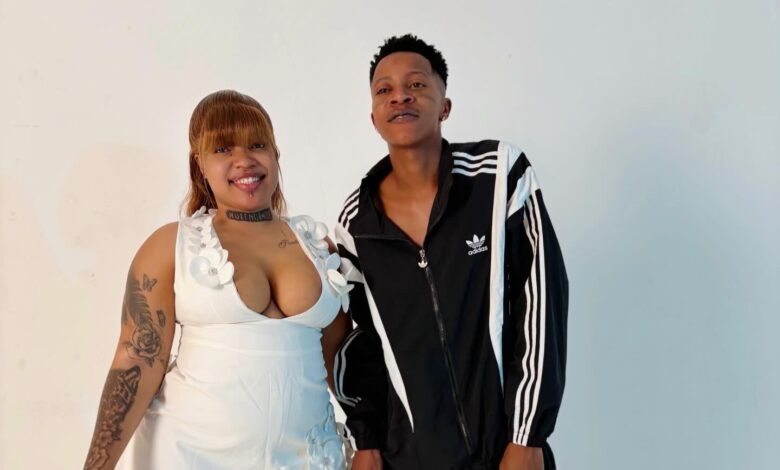
Controversial Zimdancehall artists Hulengende and Malloti Rose have come under intense scrutiny after being named in Parliament over allegations linked to drug and substance abuse promotion. The issue has sparked national debate, placing a spotlight on the influence of musicians and digital personalities in shaping public behavior. Lawmakers are increasingly concerned about the role social media plays in spreading harmful content, especially among young audiences. The discussion highlights growing tension between artistic expression and social responsibility in Zimbabwe’s entertainment space. As the conversation gains traction, it raises critical questions about accountability and the limits of influence in the digital age.
Speaking in the National Assembly, Zvimba South Member of Parliament Taurai Malinganiso acknowledged government efforts aimed at addressing drug and substance abuse. He pointed to various programmes designed to educate and protect young people from the dangers associated with drug use. However, he warned that these efforts are being undermined by a surge in online content that appears to glorify substance abuse. According to the legislator, the widespread reach of social media platforms has made it easier for harmful messages to spread rapidly. This has created a challenging environment where prevention campaigns struggle to compete with viral and often controversial content.
Malinganiso specifically named Hulengende and Malloti Rose, accusing them of using platforms such as TikTok, Instagram and Facebook to normalize drug use. He alleged that their content includes explicit displays involving substances such as cannabis and the misuse of prescription drugs like codeine-based cough syrups. The legislator expressed concern that some of these incidents reportedly occur in the presence of children, further amplifying the potential harm. He also claimed that there have been instances where public figures distributed illegal substances during live broadcasts. These allegations have intensified calls for stricter monitoring of online behavior by influential personalities.
The concerns raised in Parliament extend beyond individual artists to the broader issue of digital content regulation. Malinganiso called for stronger enforcement of existing drug and cyber laws, along with tighter oversight of social media platforms. He emphasized the need for greater accountability among influencers who command large audiences and shape cultural trends. The legislator also highlighted the impact of explicit language and behavior in online content, arguing that it contributes to the erosion of societal values. This perspective reflects a growing demand for policies that balance freedom of expression with public safety and moral responsibility.
The parliamentary debate comes at a time when Malloti Rose is already facing separate controversies that have drawn public attention. She recently withdrew from a scheduled performance in the United Kingdom following backlash over remarks about Zimbabwean nurse aides working abroad. Her refusal to apologise for the comments fueled further criticism, leading to her decision to step away from the event. She also stated that she would not refund a security deposit paid by the event organisers, adding another layer of dispute to the situation. Hulengende supported her decision by also withdrawing from the show, although he indicated a willingness to refund his portion of the deposit.
Additional reports have further complicated the situation, with claims that Malloti Rose is wanted by South African authorities in connection with a 2017 armed robbery case. The South African Police Service confirmed that a warrant of arrest had been issued by the Wynberg Magistrate’s Court for a suspect identified as Namatai Bhobho. Authorities have stated that the matter has been referred to the Director of Public Prosecutions, with efforts underway to locate the suspect and possibly initiate extradition from Zimbabwe. However, uncertainty remains regarding whether the name on the warrant directly corresponds to Malloti Rose, as her legal identity has been reported differently in various records. This lack of clarity has added to the ongoing speculation and public interest surrounding her case.
The situation involving Hulengende and Malloti Rose reflects broader challenges facing the entertainment industry in the digital era. Artists now operate in an environment where their actions and content are constantly visible and subject to public scrutiny. The influence they hold comes with increased responsibility, particularly when their audience includes young and impressionable individuals. As authorities continue to address issues related to drug abuse and online conduct, the role of public figures will remain a key point of discussion. The outcome of this debate may shape future policies and expectations for artists and influencers across the region.
The parliamentary intervention signals a shift toward greater oversight of digital content and its societal impact. It underscores the need for collaboration between government, artists and platforms to address issues that affect communities. While the allegations against Hulengende and Malloti Rose remain part of an ongoing conversation, they have already triggered important discussions about accountability and influence. As Zimbabwe continues to confront challenges related to substance abuse and online behavior, this case serves as a reminder of the power of media and the responsibility that comes with it.