Naledi Aphiwe Finds Healing and Growth After Emotional Ama2k Fest Performance in Zimbabwe
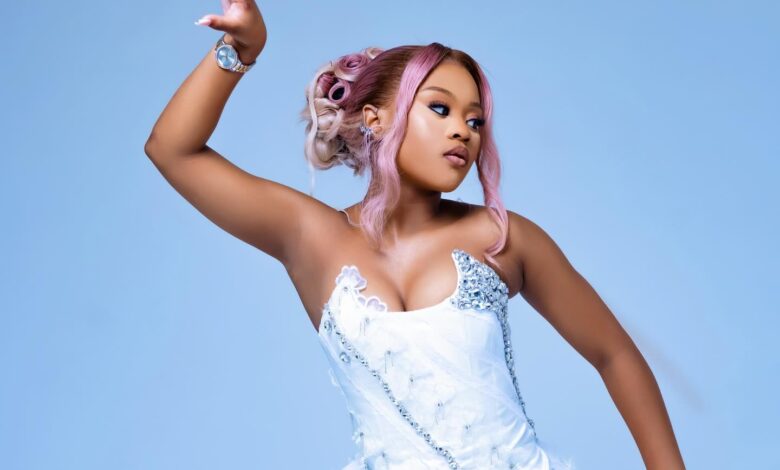
Rising South African artist Naledi Aphiwe has opened up about one of the most defining moments of her young career, following her recent performance at the Ama2k Fest in Zimbabwe. The experience came at a time when she faced intense public scrutiny after controversial remarks about the perceived influx of Zimbabweans in South Africa. The backlash spread quickly across social media platforms and created tension among fans in both countries. For a developing artist still building her identity, the pressure could have easily derailed her progress. Instead, Naledi chose to confront the moment head-on, using her performance as a chance to reconnect with audiences and redefine her narrative.
Her visit to Zimbabwe carried more than just professional significance, as it followed criticism that sparked broader conversations about migration and identity in Southern Africa. Economic experts in Zimbabwe have long pointed to cross-border movement as a complex issue tied to employment, economic stability, and regional cooperation. Naledi’s earlier remarks placed her at the center of this sensitive topic, drawing criticism from fans who felt her comments lacked nuance. This context made her appearance at the festival even more significant, as many questioned how she would be received by a Zimbabwean audience. The situation created a high-stakes environment where her actions on stage would carry meaning beyond music.
Despite the tension leading up to the event, Naledi described the reception she received in Zimbabwe as unexpectedly warm and deeply moving. She admitted that anxiety weighed heavily on her before stepping onto the stage, as uncertainty about the crowd’s reaction lingered in her mind. The fear of rejection was real, especially given the public nature of the controversy she had faced in recent weeks. However, the atmosphere shifted the moment she began performing, as the crowd responded with energy and enthusiasm. Fans sang along to her songs, called out her name, and created an environment that replaced doubt with reassurance.
Naledi shared that the overwhelming support she received became a turning point in her journey as an artist. She explained that seeing fans wave signs and celebrate her presence went beyond typical concert excitement. It showed her that audiences are capable of empathy and willing to separate an artist’s growth from past mistakes. This moment reinforced her belief in the unifying power of music, which can bridge cultural and national divides when words fall short. For Naledi, the performance was not just about delivering a set but about rebuilding trust and reconnecting with people on a human level.
She described the experience as a form of healing that arrived when she needed it most. After weeks of criticism and self-reflection, the acceptance she felt on stage provided a sense of closure and renewal. It gave her the confidence to move forward with a clearer understanding of her influence and responsibility as a public figure. The emotional weight of the moment stayed with her, shaping how she views both her career and her relationship with fans. This sense of healing marked the beginning of a new chapter, one focused on growth and accountability.
Looking ahead, Naledi has set her sights on expanding her reach beyond South Africa and strengthening her presence across the African music scene. She revealed that discussions are underway with Ruger, hinting at a possible collaboration that could introduce her to a wider international audience. These plans reflect her ambition to evolve artistically while building connections that transcend borders. She remains focused on creating more music, refining her craft, and delivering performances that resonate with diverse audiences. Her recent experience in Zimbabwe has become a foundation for this next phase of her career.
Naledi also took time to express gratitude to the fans who stood by her during a challenging period. She acknowledged the messages of support, the cheers from the crowd, and the visible signs of encouragement that reminded her she was not alone. This support system played a crucial role in helping her navigate criticism and regain confidence in her path. It also highlighted the importance of audience connection in sustaining an artist’s journey through both success and adversity. For Naledi, these moments of encouragement carry lasting value that extends beyond any single performance.
Her story reflects the reality of modern fame, where artists must navigate both opportunity and scrutiny in equal measure. The Ama2k Fest performance stands as a clear example of how challenges can become turning points when handled with honesty and resilience. Naledi’s willingness to face criticism, engage with audiences, and continue growing has positioned her as an artist capable of long-term impact. As she moves forward, her focus remains on unity, growth, and the power of music to connect people across borders.