Winky D Crowned Golden African Dancehall Artist of the Year as Zimdancehall Gains Continental Respect
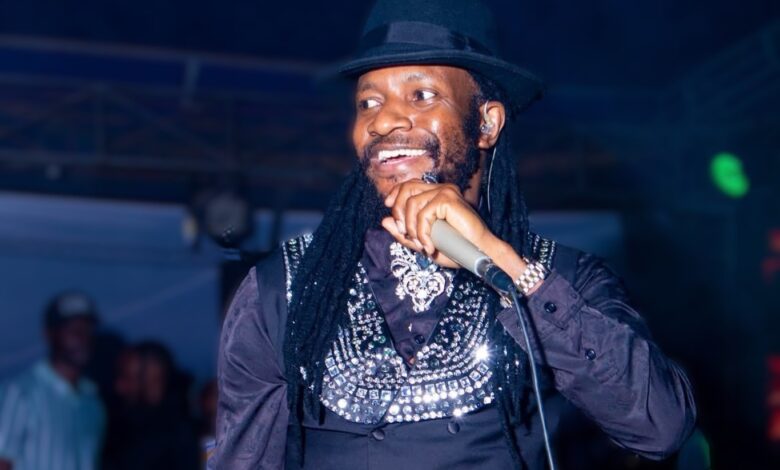
Zimbabwean Zimdancehall star Winky D has added another major accolade to his decorated career after being named Golden African Dancehall Artist of the Year in Ghana last week. The recognition places him at the top of a competitive field that included some of West Africa’s most influential music figures, marking a significant moment for both his career and Zimbabwean music. The award has been widely discussed across social media, where fans have celebrated it as proof of his lasting influence and cross-border appeal. It also reinforces his position as one of the most consistent voices in African dancehall. The achievement adds fresh momentum to a career that has spanned more than two decades.
The award saw Winky D outperform major nominees such as Shatta Wale, Stonebwoy, Fancy Gadam and Samini, all of whom are established names in the Ghanaian and broader West African music scene. Competing in such a strong lineup highlights the scale of his recognition beyond Zimbabwe. His win reflects not only popularity but also artistic impact within the genre. It shows that his music continues to resonate with audiences across different regions of the continent. This kind of recognition strengthens his profile as a pan African artist rather than a local figure.
Winky D’s career has been built on consistency, lyrical depth and a strong connection with everyday social realities. His music often explores themes such as struggle, resilience and social commentary, which has helped him maintain relevance across different generations of listeners. Over the years, he has developed a loyal fan base that supports him through changing music trends. His ability to stay relevant in a fast evolving industry has become one of his defining strengths. This latest award adds to a long list of achievements that reflect his staying power in the industry.
His influence extends beyond Zimbabwe, with recognition across multiple African countries. He has previously received awards and nominations at various regional platforms, including recognition in Kenya as Best African Dancehall Artist and Best Male Artist in Southern Africa in Zambia. He has also been acknowledged at major Zimbabwean platforms such as NAMA and Power FM awards. These honours demonstrate his consistent presence in regional music conversations. They also highlight his ability to remain competitive across different markets and audiences.
The international recognition of Winky D aligns with the broader rise of Zimdancehall as a respected subgenre within African music. What started as a local movement in Zimbabwe has grown into a sound that now competes on continental stages. His music has played a key role in that expansion, helping introduce Zimdancehall to audiences in Southern, Eastern and West Africa. His socially conscious approach has also set him apart from many peers in the genre. This combination of message and rhythm has helped define his identity as an artist.
Industry observers often point to his consistency as one of the main reasons for his continued success. Unlike many artists who experience short bursts of popularity, he has maintained relevance through continuous releases and reinvention. His ability to adapt while maintaining his core sound has helped him remain a dominant figure. He has also built a strong performance reputation, which reinforces his connection with live audiences. This balance between recorded music and stage presence has strengthened his overall brand.
The latest award also reflects the growing acceptance of African dancehall as a unified genre rather than isolated national scenes. Artists from different countries are now competing and collaborating on a wider scale. Winky D’s success in Ghana highlights this shift toward continental recognition. It shows that audiences are increasingly open to cross border influence in music. This development benefits artists who maintain strong identities while appealing to wider markets.
For Winky D, this recognition adds another layer to a career already marked by influence and achievement. It positions him not just as a Zimbabwean icon but as a continental figure shaping the direction of African dancehall. His continued success suggests that his impact is still expanding rather than slowing down. As the genre evolves, his presence remains central to its identity and growth. The award in Ghana strengthens his legacy and confirms his role in shaping the sound of modern African dancehall.