Kayz Adams and Madedido Deliver Powerful Message of Hope in Ghetto Child
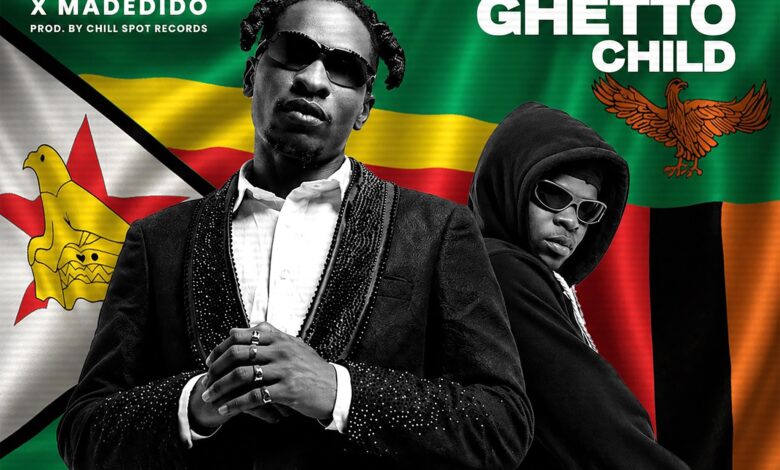
Emerging artist Kayz Adams has teamed up with Zimbabwean artist Madedido on a moving new release titled “Ghetto Child,” a song that explores the realities of growing up in disadvantaged communities while encouraging perseverance and hope. The collaboration brings together emotional storytelling, relatable experiences and reflective lyrics that speak directly to young people facing poverty, rejection and social judgment. Through the track, both artists transform personal pain and everyday struggles into music that resonates deeply with listeners across different backgrounds. The release arrives at a time when audiences increasingly connect with songs rooted in honesty and lived experience rather than surface-level entertainment. By focusing on resilience and ambition, “Ghetto Child” positions itself as both a motivational anthem and a social reflection on the challenges faced by many young Africans.
The song explores the emotional and psychological burden that often comes with growing up in underprivileged environments. Kayz Adams and Madedido describe the frustration of being underestimated because of one’s background while still trying to pursue dreams and opportunities. Their lyrics capture the feeling of being overlooked, judged and doubted by society, a reality many young people know all too well. Despite these hardships, the track consistently pushes a message of determination and self-belief. The artists use personal storytelling to show that difficult beginnings do not have to define a person’s future, giving the song emotional depth and authenticity.
One of the strongest aspects of “Ghetto Child” is the honesty in its songwriting. Instead of relying on exaggerated themes or commercial trends, the artists focus on real experiences that audiences can connect with emotionally. The lyrics reflect the daily pressure of survival while also highlighting the internal strength required to continue chasing success. This balance between struggle and hope allows the song to feel sincere rather than performative. Many listeners who have experienced poverty or social exclusion are likely to see parts of their own journey reflected in the track. That emotional connection is what gives the song lasting impact beyond its musical appeal.
The collaboration also highlights the growing creative relationship between musicians from Zambia and Zimbabwe. Cross-border collaborations within African music continue to play an important role in expanding audiences and blending cultural influences. Kayz Adams brings a passionate vocal delivery and reflective songwriting style, while Madedido contributes a Zimbabwean perspective that broadens the song’s reach and identity. Together, they create a sound that feels grounded in shared African experiences rather than limited to one country or market. Their chemistry throughout the song helps reinforce the emotional message and gives the collaboration a natural flow.
Musically, “Ghetto Child” combines melodic production with emotionally driven storytelling. The production avoids overpowering the lyrics, allowing the message to remain the centrepiece of the listening experience. Gentle melodies and reflective instrumentation create a mood that matches the emotional tone of the song. This approach helps listeners focus on the meaning behind the lyrics while still enjoying a polished and accessible sound. The balance between musical quality and storytelling makes the track appealing to both casual listeners and audiences seeking meaningful content.
The release also reflects a broader shift in audience preferences within African music. More listeners are gravitating toward songs that speak directly to real-life issues such as unemployment, poverty, identity and social pressure. “Ghetto Child” fits within this growing demand for authentic storytelling because it addresses challenges that many young people face daily. Rather than presenting success as instant or easy, the song acknowledges the obstacles that often stand in the way of progress. At the same time, it encourages persistence and belief in one’s potential despite difficult circumstances. This combination of realism and hope is part of what makes the track emotionally powerful.
The official music video further strengthens the message behind the song by visually reflecting life in disadvantaged communities. Through scenes that portray hardship, resilience and determination, the visuals complement the emotional weight carried by the lyrics. Music videos often play a major role in helping audiences connect more deeply with a song’s themes, and “Ghetto Child” uses this effectively. The imagery reinforces the idea that success often begins in difficult environments where people must fight for opportunities. By pairing strong visuals with meaningful storytelling, the artists create a more immersive and impactful experience for viewers.
Fans can stream “Ghetto Child” on major digital streaming platforms, while the official music video is available on YouTube. The accessibility of the release allows the song to reach audiences across different countries and communities where similar struggles exist. Songs rooted in personal testimony often travel further because their themes are universal and emotionally relatable. For many listeners, the track may serve as encouragement during difficult periods in their own lives. Its message extends beyond entertainment into motivation and emotional reflection.
For both Kayz Adams and Madedido, the collaboration represents another important step in building their presence within the African music industry. Songs that focus on authentic experiences often create stronger connections with audiences because they reflect everyday realities. “Ghetto Child” has the potential to resonate widely among young people striving to overcome poverty, rejection and limited opportunities. The honesty in the song gives it emotional credibility and broad appeal across borders. As more listeners discover the track through streaming platforms and social media, it is likely to strengthen the artists’ growing reputations as musicians unafraid to address real social experiences through music.
“Ghetto Child” ultimately stands as a powerful reflection on survival, ambition and resilience. Through heartfelt lyrics, emotional performances and relatable storytelling, Kayz Adams and Madedido have created a song that speaks directly to people determined to rise above difficult circumstances. The collaboration also highlights the strength of regional African music partnerships that blend different influences into meaningful artistic expression. By turning struggle into inspiration, the artists deliver a message that many listeners will carry with them long after the song ends.