Shingai Shoniwa’s Mhondoro Links Zimbabwean Heritage With Environmental Action
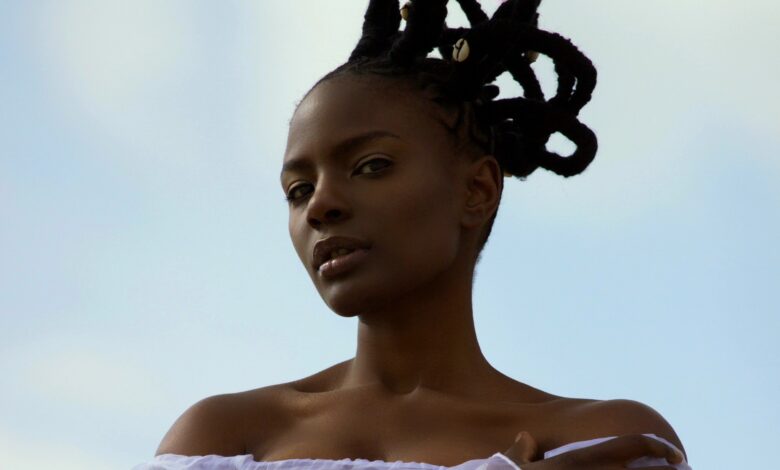
Acclaimed musician Shingai Shoniwa has released a new single titled “Mhondoro,” a project that blends Zimbabwean cultural memory with urgent environmental themes. The song positions itself at the intersection of tradition, ecology and identity, drawing from the Shona phrase “Mhondoro dzinonwa muna Save” to highlight the importance of protecting natural resources. Instead of a conventional commercial rollout, Shoniwa chose to launch the project at an intimate gathering in her Harare home, inviting journalists, artists and environmental advocates. The setting reflected the personal and reflective nature of the work, which explores both ancestral memory and present-day environmental strain. The release signals a shift in her artistic direction, placing cultural preservation and ecological awareness at the centre of her music.
“Mhondoro” forms part of a broader initiative called Flow under the EarthSonic project, which examines the relationship between women, water and community across multiple countries including Zimbabwe, Brazil, Bangladesh and Iceland. The project uses music as a tool to connect environmental concerns with lived human experiences across different cultures. Shoniwa’s contribution focuses heavily on Zimbabwe’s waterways and the communities that depend on them for survival. She uses the song to highlight how environmental degradation directly affects identity, livelihoods and cultural continuity. By linking local stories to a global framework, the project places Zimbabwean environmental issues within a wider international conversation.
A deeply personal element of the song comes from Shoniwa’s family history. During the launch, she revealed that the project is dedicated in part to her great-great-grandfather Noah, who died during the construction of the Kariba Dam. The dam remains one of Southern Africa’s most significant infrastructure projects, but its construction also displaced communities and altered ecosystems along the Zambezi River. Shoniwa said her family is still seeking peace, reconciliation and justice for his death, adding emotional weight to the project. This personal connection transforms “Mhondoro” from a general environmental message into a reflection on generational memory and unresolved history.
The music video for the song was filmed in Binga and along the Zambezi River valley, areas that remain closely tied to traditional livelihoods and water-based ecosystems. These locations were chosen to visually reinforce the song’s message about the relationship between people and rivers. Shoniwa explained that communities living along these waterways continue to face environmental pressures that threaten both their way of life and cultural practices. The visuals aim to show how environmental change is not abstract but deeply embedded in daily survival. Through this approach, the project connects artistic expression with real geographic and social realities.
At the heart of “Mhondoro” is a focus on the Save River, one of Zimbabwe’s key water systems that supports agriculture, wildlife and energy production. While less internationally known than the Zambezi, the Save River plays a critical role in sustaining rural and peri-urban communities. Shoniwa highlighted growing threats facing the river, including climate change, irrigation demands, siltation, land degradation and water diversion. These pressures have reduced water quality and availability in some areas, affecting both farming and biodiversity. The song uses these challenges as a symbolic reminder of what is at risk when natural systems are neglected.
Shoniwa also connected environmental protection to cultural identity, arguing that the two cannot be separated. Traditional Zimbabwean belief systems often link communities to totems, rivers and wildlife, creating long-standing frameworks of environmental respect. These cultural practices historically guided how natural resources were used and protected. She said that modern environmental challenges require a return to some of these values, particularly the principle of responsibility toward nature. By embedding these ideas in music, she aims to revive conversations about how culture can support sustainability.
Musically, “Mhondoro” draws on a fusion of traditional and contemporary Zimbabwean sound. The track incorporates sungura-inspired guitar patterns, mhande rhythms and modern production techniques to create a layered soundscape. Shoniwa contributed bass and rhythm guitar to the recording, while lead guitar was performed by musician Trust Damende, with drummer Cruz also part of the session. The live instrumentation was reportedly completed in a single day at Bridgenorth Studios before additional production was added. This blend of traditional and modern elements mirrors the song’s thematic focus on continuity between past and present.
Beyond the music, Shoniwa used the launch to outline her long-term vision for Zimbabwe’s creative industry. She expressed a desire to establish a cultural centre and recording studio that would support emerging artists, particularly those working with limited resources. Her goal is to create a safe and accessible space for experimentation and innovation in music. She believes that many young Zimbabwean artists are already producing high-quality work but lack institutional support. This initiative reflects her broader commitment to nurturing future generations of musicians and cultural creators.
The project also reflects Shoniwa’s evolving relationship with language and audience accessibility. She explained that she deliberately used phrases such as “big Mhondoros” to help international audiences engage with Zimbabwean cultural concepts. While the term “Mhondoro” has no direct English equivalent, it carries deep spiritual and cultural meaning in Shona tradition. Her approach aims to preserve authenticity while making the message understandable to a global audience. This balance allows the song to function both as cultural preservation and international storytelling.
Recent collaborations, including her work on “Dzimba Dzemabwe” with Zimbabwean artist Winky D, have helped introduce her to younger audiences within Zimbabwe. These collaborations reflect a growing trend of blending traditional influences with contemporary urban sounds. At the Harare launch, this intergenerational connection was visible as young performers joined in song and dance. One notable moment included Chengeto Brown, daughter of the late Chiwoniso Maraire, participating in the event. The atmosphere reinforced the project’s themes of continuity, cultural inheritance and artistic renewal.
Ultimately, “Mhondoro” positions music as both a creative and activist tool. It asks difficult questions about what is lost when rivers are polluted, traditions fade and cultural memory weakens. It also challenges listeners to consider how art can contribute to environmental awareness and social responsibility. Shoniwa’s project does not offer simple solutions but instead encourages reflection on the relationship between people and the natural world. Through this release, she reinforces her role as an artist using music to connect heritage, identity and environmental action in a single narrative.