Lady Storm Calls on Zimbabwean Promoters to Give Local Rhumba Artists a Chance
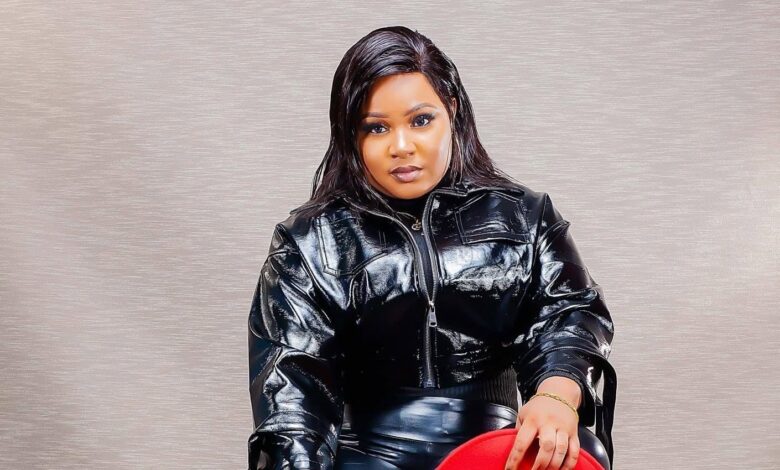
Zimbabwean rhumba singer Lady Storm has called on local event promoters to give homegrown rhumba musicians more opportunities to perform alongside major Congolese stars visiting the country. Her appeal comes as Congolese rhumba continues to gain a stronger presence on Zimbabwe’s entertainment calendar, with several established artists scheduled to perform at major events. Lady Storm believes the growing interest in the genre presents an important opportunity for Zimbabwean musicians to develop their careers and reach wider audiences. She has welcomed the decision by promoters to invest in rhumba but wants local artists to become part of the same movement. Her message is focused on collaboration, exposure and creating stronger opportunities for Zimbabwe’s growing rhumba scene.
The appeal comes at a time when Zimbabwe is preparing to host several prominent Congolese musicians. Awilo Longomba is set to perform at the Kadoma Music Festival, while Koffi Olomide has been lined up for Doek and Slay. Yondo Sister is also expected to headline this year’s Ecobank Legends Night, adding another major Congolese name to the country’s entertainment schedule. These bookings demonstrate the continued appeal of Congolese rhumba among Zimbabwean audiences and the willingness of promoters to bring established African performers to local stages. However, the increasing number of international rhumba acts has also prompted questions about whether Zimbabwean musicians are receiving enough opportunities to benefit from the genre’s renewed popularity.
Lady Storm addressed the issue in an open letter to local promoters, including the organisers behind Doek and Slay, Ecobank Legends Night and The Odyssey Kadoma. She began by thanking the organisers for investing in rhumba music and creating opportunities for Zimbabwean audiences to experience established performers from the Democratic Republic of Congo. She recognised that bringing Congolese musicians to Zimbabwe has helped renew interest in a genre with a long history across the African continent. According to the singer, local artists can also learn valuable lessons by watching and working with musicians who have built successful careers in rhumba. She therefore sees the international concerts as an opportunity for the entire local music industry rather than simply a platform for visiting performers.
Lady Storm’s central request is for promoters to include Zimbabwean rhumba artists on the same bills as the Congolese stars. She believes performing alongside experienced international musicians could give local acts valuable exposure while allowing them to exchange ideas and develop their craft. Sharing a stage with established artists can also place emerging musicians in front of larger audiences who may not have encountered their work before. For local performers, these opportunities can lead to collaborations, professional relationships and greater visibility within the regional music market. Lady Storm’s proposal therefore goes beyond asking for a performance slot and focuses on creating a more connected rhumba ecosystem between Zimbabwe and the DRC.
The singer has also made it clear that local musicians are prepared to contribute to major concerts and deliver performances that can complement international acts. She told promoters that Zimbabwean rhumba artists are ready to support events, collaborate with visiting musicians and provide quality performances. This confidence reflects the growing number of local performers who continue to work within the genre despite competition for opportunities. Including them in major concerts could give promoters another way to build diverse line-ups while giving audiences a broader representation of African rhumba. It could also help demonstrate that Zimbabwe has its own pool of musicians capable of performing alongside internationally recognised stars.
The debate comes as Zimbabwe’s live entertainment industry continues to change. For several years, South African musicians featured prominently on local festival and concert line-ups, with the popularity of Amapiano driving strong demand for artists from across the border. The current increase in Congolese rhumba bookings suggests that audience interests may be broadening as more people show an appetite for live bands and established African musical styles. Promoters appear to be exploring different genres and international markets as they look for artists who can attract audiences to major events. This shift could create new opportunities for Zimbabwean musicians if local performers are included alongside the international acts driving renewed interest.
There has also been speculation about whether broader regional tensions involving foreign nationals in South Africa could be influencing the way promoters select international performers for Zimbabwean events. However, there is no public confirmation from the organisers mentioned by Lady Storm that their booking decisions are connected to those issues. The more immediate issue raised by the singer is the need to ensure that local artists are not left out of a growing commercial opportunity. Zimbabwean rhumba musicians could benefit from the increased attention if promoters make space for them on major bills. At the same time, audiences could gain access to a more varied concert experience that combines established international names with local talent.
Importantly, Lady Storm’s comments do not position Zimbabwean musicians against Congolese artists. Instead, she has praised the visiting performers and acknowledged the value they bring to the local music industry. Her argument is that international bookings should create opportunities for collaboration rather than leave local musicians watching from the sidelines. Pairing Zimbabwean rhumba acts with Congolese legends could allow artists from both countries to exchange knowledge and potentially create new music together. Such partnerships could also strengthen cultural links between Zimbabwe and the DRC while giving rhumba a stronger platform within Zimbabwe’s entertainment industry.
Her call has resonated with the wider discussion about how local musicians can benefit from the increasing demand for African music. Zimbabwe has a long musical history and continues to produce artists across multiple genres, but access to major stages remains an important challenge for many performers. When international artists headline large concerts, local support acts can gain exposure, credibility and opportunities to connect with new audiences. In the case of rhumba, placing Zimbabwean musicians on the same bills as Congolese stars could also help establish a clearer local identity for the genre. It could encourage younger musicians to pursue rhumba while giving established performers additional platforms to grow their audiences.
As more Congolese rhumba stars arrive in Zimbabwe, Lady Storm’s request puts the spotlight on what comes next for local artists. The current interest in the genre presents promoters with an opportunity to build concerts that celebrate both international and Zimbabwean talent. Giving local rhumba musicians a place alongside established Congolese performers could support artist development, encourage collaboration and strengthen the commercial prospects of the genre. It would also allow audiences to discover Zimbabwean performers while enjoying the international stars they already know. Lady Storm’s message is ultimately a call for inclusion, and as Zimbabwe’s rhumba scene continues to develop, the response from promoters could help determine whether the current revival becomes a lasting opportunity for local musicians.