Ru$ambo Puts Zimbabwean Lobola Tradition at the Centre of a Gripping New Film
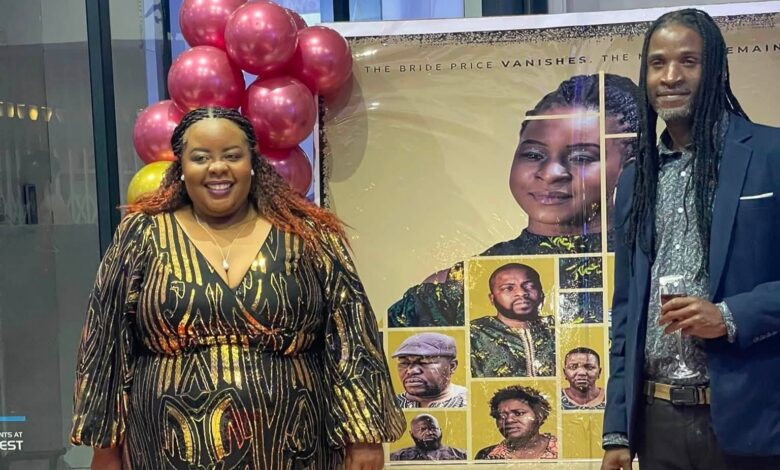
A new Zimbabwean film, Ru$ambo, is bringing one of the country’s most significant cultural traditions to the screen while using mystery, humour and family drama to explore what can happen when trust breaks down. The film recently premiered after being shot in Harare and Chitungwiza, placing Zimbabwean locations and cultural traditions at the heart of its story. Written and directed by Angela Zivo Gapa and produced by Eddie Ndhlovu, Ru$ambo follows a Shona bride whose lobola ceremony takes an unexpected and deeply troubling turn when the bride price mysteriously disappears. What begins as an important family celebration quickly becomes a tense search for answers as accusations emerge and relationships begin to fracture. Through its central mystery, the film places the culture of paying lobola, commonly referred to as roora, in the spotlight while exploring universal themes of love, betrayal, suspicion, loyalty and family secrets.
At the centre of Ru$ambo is Hanayashe, a Shona bride whose wedding preparations are thrown into chaos when the rusambo payment disappears during her lobola ceremony. The missing bride price creates immediate uncertainty around the marriage and leaves Hanayashe facing questions about who could have sabotaged one of the most important moments of her life. Instead of allowing the ceremony to proceed as expected, the disappearance forces her to examine the people closest to her. Family members and friends who were expected to support her suddenly become potential suspects, creating an atmosphere of mistrust and tension. As Hanayashe searches for the truth, the film turns a culturally significant ceremony into the setting for a suspenseful mystery filled with hidden motives and unexpected revelations.
Writer and director Angela Zivo Gapa describes Ru$ambo as a story influenced by whodunnit mysteries and African folktales involving tricksters, betrayal and deception. The missing rusambo payment becomes the central mystery, but the consequences reach much deeper than the theft itself. Hanayashe must confront fractured loyalties, hidden agendas and tensions that have been buried within her family and social circle. The investigation forces characters to reveal motivations that may otherwise have remained hidden behind the celebration of the marriage. By combining mystery with cultural storytelling, Ru$ambo creates a narrative that allows audiences to engage with Zimbabwean traditions while following a plot designed to maintain suspense.
The film’s focus on lobola gives Ru$ambo a strong cultural foundation and creates an opportunity to introduce audiences to an important part of Shona marriage traditions. Lobola remains an important cultural practice in Zimbabwe and many other parts of Southern Africa, although the way it is understood and practised can vary between families and communities. By placing the rusambo payment at the centre of a mystery, the film explores the cultural significance attached to marriage negotiations while also examining the emotions that can surround family expectations. Zivo wanted audiences to enter a cultural environment that some viewers outside Zimbabwe may never have experienced. At the same time, she wanted the story to remain accessible by connecting the cultural setting to emotions that audiences across different backgrounds can recognise.
Zivo said her intention was to create a distinctly Zimbabwean story that could also travel internationally. She explained that African stories presented to global audiences are often associated with themes of conflict, poverty and crisis, and she wanted to offer a different perspective. Ru$ambo instead places everyday relationships, cultural traditions, humour and suspense at the centre of the narrative. The film allows viewers to experience Zimbabwe through a family celebration that becomes increasingly complicated as secrets emerge. By combining a specifically Zimbabwean cultural setting with a mystery that can be understood across cultures, the filmmaker hopes to demonstrate that local stories can have international appeal.
The decision to make the missing bride price the central mystery also gives Ru$ambo an opportunity to explore complicated family relationships. Weddings and lobola ceremonies often bring together relatives and friends with different expectations, personalities and histories, creating an environment where old tensions can surface. In the film, the disappearance of the rusambo payment intensifies those tensions and forces characters to question the people they trust. Hanayashe’s search for the truth therefore becomes more than an attempt to recover money. It becomes a journey into the relationships surrounding her marriage and an examination of how ambition, loyalty and secrecy can affect families.
For Zivo, the film also represents a personal and professional milestone because Ru$ambo marks her directorial debut. As a Zimbabwean and a scholar of African politics, she has spent years thinking about how Africa is represented in conversations and media. She chose to explore those questions through cinema rather than another academic publication, using storytelling to invite audiences into Zimbabwean culture. The project has allowed her to combine her interest in African representation with her passion for filmmaking and cultural storytelling. Her ambition is not simply to tell a Zimbabwean story but to demonstrate that Zimbabwean cinema can be entertaining, ambitious and capable of connecting with audiences beyond the country’s borders.
Zivo has acknowledged that the experience of making and presenting her first film has been both exciting and intimidating. She did not attend film school and had never directed a short film before taking on Ru$ambo, making the project a significant personal challenge. Her comments reflect the pressure faced by emerging filmmakers who are entering an industry where recognition often comes after years of experience. Despite those challenges, the film has already reached the international festival circuit, giving the production an opportunity to introduce Zimbabwean filmmaking to audiences in different countries. For Zivo, audience enjoyment remains the first priority, while cultural discovery and international recognition are additional goals for the project.
Ru$ambo is currently scheduled to appear at several international film festivals, giving the Zimbabwean production a chance to reach viewers outside the country. The film is set to screen at the Silicon Valley African Film Festival in San Jose, California, as well as the Festival international du Film PanAfricain de Cannes in Cannes, France. It is also scheduled for the Bantu Film Festival in Gaborone, Botswana in October 2026. These festival appearances could help create greater awareness of the film while giving the cast and crew opportunities to connect with audiences and industry professionals. Zivo has also revealed that the team is planning a theatrical release in Harare later in 2026 and is in discussions with several global online platforms about possible distribution.
The film’s cast brings together a group of Zimbabwean performers who help bring the story’s family dynamics and cultural setting to life. Deborah Kabongo plays Hanayashe, the bride at the centre of the mystery, while David Kanduna plays Tomutenda. The cast also includes Benhilda Kandawasvika as VaTete Jesephene, Mapfumo Katsaya as Gavi, Collin Ncube as Munyuki and Talent Nyamayedenga as Nomsa. Other performers include Stewart Sakarombe as Sabhuku, Everjoy Nyabasa as Sekai, Charity Dlodlo as Mama Tsungai and Hardlife Makuku as the Village Thug. Tafadzwa “Shugeta” Ben plays Munyai, Pedzisayi Pedzisayi plays Babamunini, while Zivo appears as The Boss and producer Eddie Ndhlovu takes on the role of Dr Ndhlovu.
The involvement of both established and emerging creative talent makes Ru$ambo part of a wider conversation about the development of Zimbabwe’s film industry. Productions that tell local stories can create opportunities for actors, directors, producers, writers, technicians and other professionals working behind the scenes. They can also provide audiences with stories that reflect their own languages, traditions, communities and experiences. At the same time, films rooted in local culture can introduce international viewers to aspects of Zimbabwean life that they may not encounter through mainstream global cinema. Ru$ambo’s festival journey therefore has significance beyond the individual film because it contributes to the growing visibility of Zimbabwean creative work on international platforms.
The film also arrives at an interesting moment for conversations about how African stories are presented to global audiences. Zivo’s decision to centre the narrative on a Zimbabwean marriage tradition challenges the expectation that African cinema must focus primarily on hardship or political crisis. Instead, Ru$ambo uses a family event, cultural practice and mystery to create entertainment while allowing viewers to discover more about Zimbabwean society. The story’s themes of suspicion, betrayal, ambition and loyalty are not limited to one culture, which gives the film a foundation for international audiences to connect with the characters. Its cultural specificity and universal emotional themes could become one of its strongest qualities as it moves through the international festival circuit.
With its Harare and Chitungwiza locations, Zimbabwean cast and crew and focus on Shona cultural traditions, Ru$ambo offers a distinctive addition to the country’s growing film landscape. The story transforms a missing lobola payment into a mystery that forces a bride to question the people closest to her while confronting uncomfortable truths about family and loyalty. For Angela Zivo Gapa, the project represents the fulfilment of a lifelong dream and the beginning of a filmmaking journey focused on bringing Zimbabwean stories to wider audiences. Its upcoming festival appearances in the United States, France and Botswana, together with plans for a Harare theatrical release and potential global streaming distribution, could give the film an important platform. Ru$ambo ultimately shows how a deeply Zimbabwean story can use suspense, humour, culture and human relationships to create a film with ambitions that reach far beyond the country’s borders.