Malaika Mushandu Dethroned as Miss Cosmo Zimbabwe 2026 Amid Legal Dispute
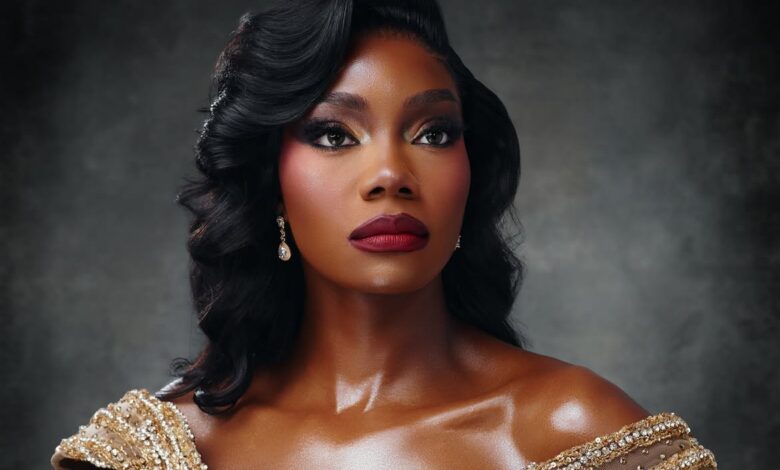
Beauty queen and filmmaker Malaika Mushandu has been relieved of her duties as Miss Cosmo Zimbabwe 2026 following a dispute with the Miss Cosmo Zimbabwe Organisation, turning what began as a pageant victory into an unfolding legal matter. Mushandu was crowned Miss Cosmo Zimbabwe 2026 at the Miss Universe Zimbabwe finale on June 6, but disagreements between the titleholder and the organisation reportedly emerged in the weeks that followed. The dispute remained largely out of the public spotlight until a recent social media post brought renewed attention to Mushandu’s status. The development has since divided pageant followers, models and members of the wider beauty industry, with many questioning what led to the decision. Both sides have indicated that the disagreement has entered the legal process, meaning further developments could depend on what happens through the courts.
Mushandu’s crowning on June 6 was initially presented as an important achievement in her pageant career, adding the Miss Cosmo Zimbabwe title to her growing profile as a beauty queen and filmmaker. Her victory positioned her to represent Zimbabwe through the Miss Cosmo platform and potentially compete on an international stage. However, the relationship between Mushandu and the Miss Cosmo Zimbabwe Organisation became strained shortly after the crowning. Neither side has publicly disclosed all the details surrounding the disagreement, leaving pageant followers with limited information about what happened behind the scenes. The lack of detailed public explanations also contributed to speculation about Mushandu’s continued status as the national titleholder.
The latest controversy intensified over the weekend after Mushandu posted a video on social media in which she appeared wearing a crown. The video attracted attention from pageant followers and models who questioned whether she was still officially associated with the Miss Cosmo Zimbabwe title. Her caption, “Heavy is the head that wears the crown,” generated further discussion, with some followers interpreting the wording as a possible message about the dispute while others viewed it simply as a caption accompanying her social media content. The post reportedly received more than 3 000 views and over 400 comments, with many users expressing support for Mushandu. The strong reaction showed that the controversy had attracted significant public interest beyond the immediate parties involved.
The following day, the Miss Cosmo Zimbabwe Organisation issued a statement formally announcing that Mushandu had been dethroned. The organisation cited misconduct and ineligibility as the reasons behind its decision and stated that she had ceased to hold the Miss Cosmo Zimbabwe 2026 title. Josh Taderera, identified as the organisation’s chief executive, was cited in connection with the announcement and also commented on Mushandu’s social media post. The statement brought an end to weeks of uncertainty about whether Mushandu remained the recognised titleholder. It also made clear that the organisation considered its decision final from its own administrative position, although the wider legal dispute remains unresolved.
Taderera also addressed the social media video and indicated that the organisation had previously communicated its position to Mushandu. “In my opinion, her posting that video after a ‘cease and desist’ is misrepresentation and grounds to sue,” he said. His comments suggest that the organisation had already taken steps to restrict or clarify Mushandu’s use of the title before making its public announcement. The reference to a cease and desist adds another layer to the dispute because it indicates that the disagreement had moved beyond internal discussions. It also helps explain why the organisation reacted strongly to the appearance of the crown and the continued public association with the Miss Cosmo Zimbabwe title.
Mushandu has so far avoided discussing the allegations publicly, instead referring questions to her legal representatives. When contacted for comment, she declined to go into detail about the dispute and said the matter was now before the courts. “Talk to my lawyers for now. I can’t respond to anything. They are working on that,” she said. Her response indicates that she intends to address the dispute through the appropriate legal channels rather than engage in a public exchange with the organisation. Until the legal process provides further clarity, claims made by either side should therefore be treated as positions in an ongoing dispute rather than established findings.
The controversy has also raised questions about the rules governing pageant titles and the responsibilities that come with representing a national organisation. Pageant winners generally operate within contractual arrangements that can include requirements relating to conduct, eligibility, public appearances, branding and international representation. When disagreements arise, organisations may rely on those agreements when deciding whether a titleholder remains eligible to fulfil the role. In this case, the Miss Cosmo Zimbabwe Organisation has specifically referred to misconduct and ineligibility, while Mushandu has not publicly addressed those allegations because of the ongoing legal proceedings. The courts or other relevant legal processes may therefore become important in determining how the dispute develops.
Mushandu’s position as Miss Universe Zimbabwe second runner-up remains unaffected by the Miss Cosmo Zimbabwe decision. This distinction is important because her involvement in the Miss Universe Zimbabwe competition came through a separate pageant position from the Miss Cosmo Zimbabwe title. Losing one title does not automatically remove her from every other pageant position she has previously earned. Her continued status as second runner-up means that she remains part of the broader Miss Universe Zimbabwe pageant history despite the current dispute. It also means that the controversy surrounding Miss Cosmo Zimbabwe should not be interpreted as an announcement affecting her separate second runner-up position.
The dispute has divided opinion within Zimbabwe’s beauty industry, with some people calling for greater transparency about the reasons behind the dethronement. Others have questioned whether the matter could have been resolved privately, particularly because Mushandu was regarded as a strong candidate for the Miss Cosmo Zimbabwe platform. Social media discussions have reflected both support for the organisation’s right to enforce its rules and sympathy for Mushandu while she deals with the legal proceedings. The absence of publicly disclosed details has created room for speculation, making it difficult for observers to establish the full circumstances surrounding the disagreement. The strongest path toward clarity will depend on verified information from the parties involved and any formal outcome from the legal process.
Dethroning a beauty queen is not entirely new in Zimbabwean pageantry, although each case has its own circumstances. Emily Kachote, who won Miss World Zimbabwe in 2015, was dethroned shortly after taking the crown amid controversy surrounding private nude photographs that reportedly circulated online. Her removal became one of the most widely discussed pageant controversies in Zimbabwe and highlighted the strict conduct requirements that can accompany national titles. Miss Zimbabwe 2014 Thabiso Phiri also resigned and relinquished her crown after private photographs of her circulated publicly. These cases demonstrate that national pageant titles can involve contractual and conduct expectations that extend beyond the competition itself.
Another example involved Lungile Mathe, who held the Miss Tourism Zimbabwe title and was associated with the Miss Personality 2010/2011 recognition. Mathe was reportedly stripped of her prizes in disputed circumstances after she refused alleged improper advances, adding another complex case to the history of Zimbabwean pageantry. Such incidents show that disputes involving beauty queens can arise for very different reasons and can have significant consequences for both titleholders and organisations. They also demonstrate why clear contractual terms and transparent communication are important when national titles are awarded. However, previous cases should not be used to assume the circumstances of the current Mushandu dispute, because the specific allegations and legal issues in her case have not been fully disclosed.
Pageant title disputes have also occurred internationally, showing that dethronement and replacement can form part of the wider pageant system when eligibility requirements or contractual obligations become contested. National organisations connected to major international competitions have, at different times, removed or replaced winners and runners-up over issues involving eligibility, conduct or contractual requirements. Such decisions can attract considerable public attention because pageants combine entertainment, national representation, personal branding and commercial interests. A titleholder may therefore face responsibilities that continue after the night of crowning and may be subject to rules that affect public appearances and international participation. The recent controversy involving Mekyla Li, who was stripped of the Miss Grand USA 2026 title following revelations concerning past marriage and legal issues, also illustrates how eligibility questions can affect pageant winners.
The Malaika Mushandu and Miss Cosmo Zimbabwe dispute remains a developing story, with important questions still unanswered about the allegations, the organisation’s decision and the legal process now underway. For the moment, the Miss Cosmo Zimbabwe Organisation maintains that Mushandu no longer holds the 2026 title, citing misconduct and ineligibility as the reasons for the dethronement. Mushandu, meanwhile, has declined to comment on the substance of the allegations and has directed questions to her lawyers. Her Miss Universe Zimbabwe second runner-up position remains unaffected, adding an important distinction to the current situation. As the legal process continues, further information may provide clarity on the circumstances that led to her removal and determine what happens next in one of Zimbabwe’s most closely watched pageant disputes of 2026.