Amaqaqa to Bring Zimbabwean Imbube Tradition to 2026 Good Seed and Food Festival
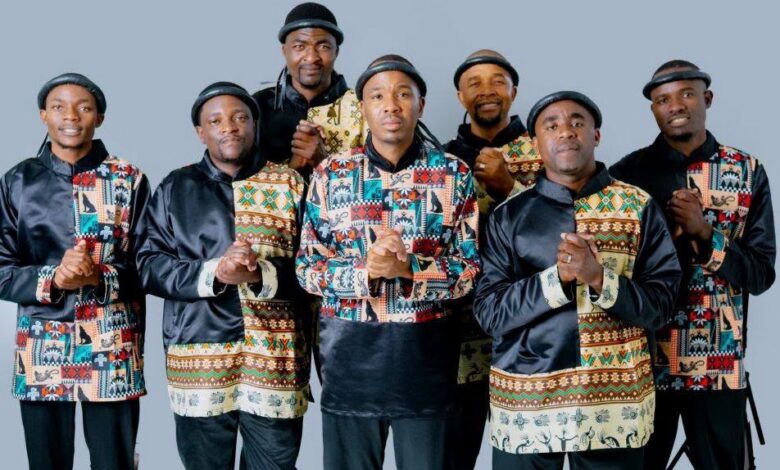
Multi-award-winning imbube ensemble Amaqaqa is set to bring its distinctive cultural sound to the 2026 Good Seed and Food Festival in Harare on September 19. The celebrated Bulawayo-based group continues to expand its presence on Zimbabwe’s national entertainment scene while using music to preserve and promote African cultural traditions. The festival will provide an important platform for Amaqaqa to connect with audiences through traditional harmonies, storytelling, dance and energetic live performance. With the event centred on Zimbabwean heritage, food, agriculture and community engagement, the ensemble’s cultural identity fits naturally into the festival’s broader purpose. Amaqaqa’s appearance is therefore expected to be one of the highlights of an event that seeks to celebrate the traditions, values and creativity that continue to shape Zimbabwean communities.
The Good Seed and Food Festival is designed to bring together music, food, agriculture and cultural expression in a celebration of Zimbabwean identity. Its focus on the seed, land, food and communities creates a setting where cultural traditions can be presented alongside the agricultural practices that sustain communities. For Amaqaqa, this connection is particularly meaningful because the group’s music is deeply rooted in heritage, language, faith and stories passed between generations. Amaqaqa director Khulekani “Khabo” Sibanda said the ensemble was attracted to the festival because of its strong commitment to preserving and celebrating Zimbabwe’s cultural and agricultural identity. He described the event as more than another entertainment gathering, saying its emphasis on the country’s land, food, people and culture closely reflects the values represented in Amaqaqa’s music.
Sibanda said Amaqaqa’s sound naturally complements the festival because its performances bring together cultural traditions and contemporary entertainment. The ensemble is known for its rich vocal harmonies and performances that draw heavily from African culture and faith. At the Harare festival, audiences can expect a lively performance featuring the group’s trademark harmonies, cultural storytelling, dance routines and direct interaction with the crowd. This approach allows Amaqaqa to present traditional music as an engaging live experience rather than something confined to historical or academic settings. The group believes that audiences should experience the connection between culture and everyday life, with music serving as one of the ways communities preserve and communicate their identity.
The relationship between food and culture will also form part of the experience at the festival. Sibanda described the connection by noting that food sustains the body while culture sustains the soul, highlighting the importance of treating both as connected parts of community life. This philosophy reflects the wider purpose of the Good Seed and Food Festival, which seeks to celebrate the elements that contribute to the wellbeing and identity of communities. Amaqaqa’s performance will therefore add a strong cultural dimension to an event already focused on agriculture, food and heritage. Festival-goers can expect an authentic performance designed to encourage participation while giving audiences an opportunity to experience the enduring appeal of Zimbabwean imbube music.
Amaqaqa has also established a reputation through collaborations and popular releases that have introduced its music to broader audiences. The ensemble is known for its collaboration with Baba Harare on the hit song Rese, which helped strengthen its visibility within Zimbabwe’s music industry. At the September festival, the group is expected to combine newer material with fan favourites that have contributed to its growing reputation. This balance will allow longtime followers to enjoy familiar songs while giving new audiences an opportunity to discover the ensemble’s more recent work. The performance is expected to showcase the versatility of Amaqaqa while retaining the vocal harmonies and cultural character that have become central to its identity.
The group’s participation also highlights the importance of cultural festivals in introducing traditional music to younger generations. As Zimbabwe’s entertainment landscape continues to evolve, traditional genres face the challenge of remaining visible among audiences exposed to a wide range of contemporary sounds. Amaqaqa believes platforms such as the Good Seed and Food Festival can help bridge that gap by placing traditional music within modern public spaces where young people can encounter it directly. Live performances can make cultural traditions more accessible because audiences can see, hear and participate in the music rather than simply learning about it from historical records. Such experiences can help create greater appreciation for Zimbabwe’s musical heritage and encourage younger people to view traditional performance as a living part of contemporary culture.
The Harare appearance forms part of Amaqaqa’s broader 2026 programme, which includes national tours, regional performances, new music releases and educational workshops. The ensemble plans to use its educational activities to teach young people traditional harmonies, performance techniques and stagecraft. These workshops add an important dimension to the group’s work because they focus on transferring practical knowledge to future performers. Teaching traditional music also creates opportunities for young people to develop artistic skills while learning more about the cultural foundations behind the music. By combining touring, recording and education, Amaqaqa is working to ensure that its cultural contribution extends beyond individual performances.
Founded in Bulawayo, Amaqaqa has built its reputation through rich vocal harmonies and performances deeply connected to African culture and faith. The ensemble has received numerous awards during its development, reflecting the recognition it has earned within Zimbabwe’s music industry. Its work demonstrates the ability of imbube music to remain relevant in contemporary entertainment while maintaining strong links to cultural traditions. The group’s identity is shaped by its vocal arrangements, storytelling and performance style, which allow audiences to experience traditional music in an engaging format. Its continued growth also demonstrates the contribution that Bulawayo-based artists and ensembles make to Zimbabwe’s broader cultural landscape.
Amaqaqa’s growing regional presence has also taken the group beyond Zimbabwe’s borders. The ensemble has performed in countries including Eswatini, South Africa and Botswana, giving international audiences opportunities to experience its interpretation of imbube music. These performances have helped introduce the group’s sound to wider audiences while strengthening its position as a representative of Zimbabwean cultural expression. Regional touring also creates opportunities for cultural exchange, allowing musicians to learn from audiences and artists from other countries. Amaqaqa’s international activity therefore forms part of its broader effort to demonstrate that Zimbabwean traditional music can connect with audiences across borders.
The 2026 Good Seed and Food Festival provides Amaqaqa with another opportunity to demonstrate the relevance of indigenous music within contemporary Zimbabwean society. The combination of agriculture, food, music and community engagement creates a natural setting for an ensemble whose work is grounded in heritage and collective identity. On September 19, festival-goers in Harare can expect a performance that combines powerful vocal harmonies with dance, storytelling and audience participation. The appearance will also reinforce the importance of creating spaces where traditional music can be experienced by both established fans and younger audiences. As Amaqaqa continues its 2026 programme of performances, recordings and educational initiatives, its appearance at the festival marks another step in its mission to keep Zimbabwean cultural music visible, active and relevant for future generations.