Mrs Universe Zimbabwe Director Sibonelo Khupe Calls for Transparency and Fairness in Pageantry
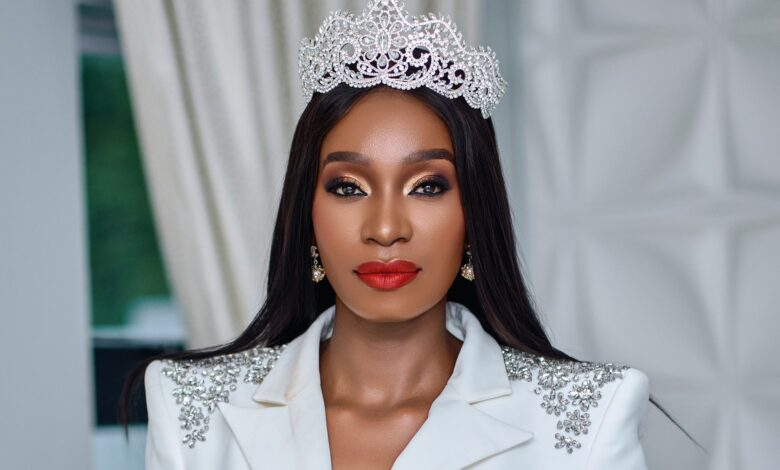
Mrs Universe Zimbabwe National Director Sibonelo Khupe has called for greater transparency and fairness in Zimbabwe’s pageantry industry, saying clear rules, consistent processes and effective communication are essential to preventing disputes between organisers and contestants. Khupe, who is also the reigning Mrs Universe Africa, made the comments as debate continues around how local pageantry organisations select, manage and remove titleholders. Her remarks highlight the importance of professional standards in an industry where contestants invest significant time and effort into competing for national and international titles. She believes organisers have a responsibility to ensure contestants understand what is expected of them before, during and after a competition. Clear communication, she argues, can help protect both the credibility of pageants and the dignity of the women who participate in them.
The debate around transparency intensified after the Miss Cosmo Zimbabwe organisation announced on August 22 that former Miss Cosmo Zimbabwe 2026 Malaika Mushandu had been dethroned. The decision generated discussion among pageantry followers, with questions about how major decisions involving titleholders should be communicated to contestants and the public. While pageantry organisations may have internal policies governing their competitions and titleholders, public confidence can be affected when important changes are announced without sufficient explanation. Khupe’s comments therefore come at a time when organisers are facing greater scrutiny over the way they handle sensitive matters. Her position is that professional pageantry should be supported by processes that are understandable, consistent and fair to everyone involved.
According to Khupe, transparency should form part of the foundation of every professional pageantry organisation. Contestants need to know the assessment criteria, expectations and responsibilities associated with entering a competition and holding a title. Providing this information gives contestants a clearer understanding of how they will be evaluated and what is expected of them once they are crowned. It can also help organisers apply their rules consistently rather than creating uncertainty around individual decisions. For Khupe, transparency is therefore not simply about making announcements but about creating a professional structure that contestants can understand and trust.
The selection and management of judges is another area where Khupe believes strong procedures are necessary. She noted that pageantry organisations have their own policies for appointing judges, but professional practice should include selecting people with relevant experience and maintaining a balanced judging panel. Potential conflicts of interest should also be disclosed and handled according to the organisation’s internal procedures. This is particularly important because judges have a direct influence on the outcome of competitions and their decisions can affect the careers of contestants. Khupe also stressed that sponsors have an important role in supporting pageants, but sponsorship should not compromise the independence of the judging process.
Fairness also requires contestants to understand what they are being assessed on before they enter the competition. Different pageants may have different categories, values and judging systems, meaning there is no single formula that applies to every organisation. However, contestants should receive information about the general qualities that will be considered, which can include communication, confidence, presentation, leadership, purpose and alignment with the pageant’s values. Consistent application of those criteria can help reduce uncertainty and give contestants a fair opportunity to prepare. It also allows the public to better understand what pageants are looking for beyond physical appearance and traditional beauty standards.
Dethronement decisions require an especially careful approach because they can have a significant impact on a titleholder’s reputation and career. Khupe said pageantry organisations should issue appropriate official statements when there is a change in a queen’s status while still respecting the confidentiality and privacy of everyone involved. Public communication should remain factual and respectful rather than becoming an avenue for unnecessary personal details or speculation. Organisations must balance the public’s interest in understanding major pageantry decisions with the rights and dignity of the individuals concerned. A professional approach to communication can help reduce confusion while preventing sensitive disputes from becoming unnecessarily damaging for contestants or organisers.
Khupe also addressed the role of former queens within the pageantry industry, rejecting the idea that their continued involvement automatically undermines reigning titleholders. Former queens can bring valuable experience to the industry and may continue working as mentors, ambassadors, judges, organisers or advocates after their reigns have ended. Their knowledge of competitions and titleholder responsibilities can provide useful guidance to newer contestants and contribute to the development of pageantry. However, Khupe believes these roles should be clearly defined so that they complement rather than compete with the work of the current queen. Establishing clear responsibilities can help prevent confusion about authority while allowing experienced former titleholders to remain active in the industry.
Khupe’s own activities in Zimbabwean pageantry demonstrate her continued involvement in developing the sector. On August 15, she launched the inaugural Mrs Universe Zimbabwe pageant in Bulawayo, marking a new chapter for the national competition. Atipa Busuman was crowned Mrs Universe Zimbabwe 2026 at the event, taking on the responsibility of representing the national title. The launch also placed Khupe in a position to apply the principles of professionalism and transparency that she has been advocating within the industry. Her experience as Mrs Universe Africa adds another dimension to her perspective as she works to establish and develop the Zimbabwean competition.
The renewed conversation about pageantry standards presents an opportunity for organisers, contestants, former queens and sponsors to consider how the industry can become more professional. Clear competition rules, transparent judging processes, defined responsibilities and respectful communication can help reduce disputes while strengthening confidence in national pageants. Contestants also benefit when they understand their obligations and the procedures that will apply throughout their participation and reign. At the same time, organisers can protect their reputations by responding to difficult situations through established policies rather than unclear or inconsistent communication. Khupe’s call for greater transparency ultimately points to the need for a pageantry industry where fairness, accountability and professionalism remain central to how queens are selected, supported and represented.