Jeys Marabini Flattered as Salif Keita Recognises His Music After 26-Year Reunion
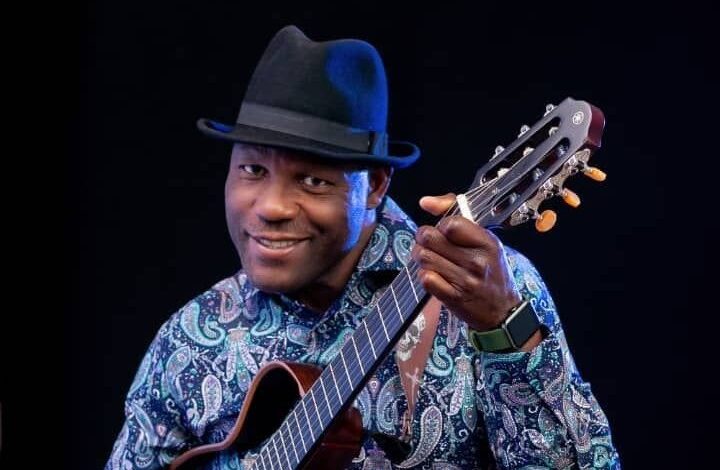
Twenty-six years after they last shared a stage in Europe, Zimbabwean musician Jeys Marabini has described his reunion with legendary Malian singer Salif Keita as one of the most memorable moments of the Ecobank Legends Night Africa 2.0 in Harare. The two musicians crossed paths again at the star-studded event held at Alexandra Sports Club on September 26. While Marabini enjoyed performing before thousands of music fans, he said the most meaningful part of the evening happened away from the stage. He was particularly surprised and encouraged to learn that Keita personally knew his music and recognised him as an artist with a strong African sound. For Marabini, receiving such recognition from an internationally respected African music legend was both flattering and motivating.
The last time Marabini and Keita performed on the same platform was in Europe in 2000. At the time, Keita had already established himself as one of Africa’s most recognisable musical voices, while Marabini was still performing as a member of the Imbube ensemble Imbizo. Much has changed in the 26 years since that encounter, with both musicians continuing to develop their careers in different ways. Keita has maintained his status as one of the continent’s celebrated musicians, while Marabini has built a distinctive career as a jazz musician and performer. Their reunion in Zimbabwe therefore provided an opportunity to reconnect after more than two decades while reflecting on the different journeys they have taken since their first meeting.
Marabini said seeing Keita again in Zimbabwe brought him considerable joy because the Malian musician is someone he personally looks up to. Although he had already been pleased to share the stage with Keita again, their backstage conversations made the reunion even more significant. Marabini said he spent time speaking with Keita and his manager and found the legendary musician to be a good listener who offered constructive feedback. The conversation gave the Zimbabwean artist an opportunity to engage directly with someone whose career has had a major influence on African music. The reunion therefore became more than a meeting between two performers, as it created a meaningful exchange between artists from different generations and countries.
The biggest surprise for Marabini came when Keita revealed that he personally knew his music as Marabini. The Zimbabwean musician said Keita described him as one of the Zimbabwean artists with a great African sound. That acknowledgement had a particular significance because Marabini has spent years developing a musical identity rooted in his own artistic approach. Recognition from an established continental figure gave him additional encouragement to continue pursuing his work. Marabini said that while he may be regarded as a legend in Zimbabwe, hearing such words from an African music legend is something that deserves attention and appreciation.
The Ecobank Legends Night Africa 2.0 brought together a wide selection of established musicians from Zimbabwe and other parts of Africa. The line-up included Salif Keita, Congolese soukous singer Yondo Sister, sungura star Alick Macheso, Leonard Zhakata, Tanga weKwaSando, Albert Nyathi, Sandra Ndebele, Iyasa and Cool Crooners. The event attracted thousands of people to Alexandra Sports Club, creating a setting where different generations and styles of African music could share one platform. For Marabini, the diversity of the programme was one of the elements that made the concert particularly significant. He viewed the gathering as an example of how music can bring performers and audiences together across geographical and cultural boundaries.
Marabini also praised the organisation behind the event, particularly Ecobank and Intotal Band, which led the concert concept. He described the production as a major event and highlighted the scale of bringing international and Zimbabwean legends together for one performance. The stage design, lighting and performances contributed to the overall experience for those who attended. He also commended the organisers for the attention given to the artists, including travel arrangements, accommodation, transport and meals. For Marabini, those details demonstrated the level of planning required to successfully host a large-scale music event involving performers from different locations.
The musician believes the Legends Night concept should continue because of its potential to connect people from different backgrounds. He pointed to the representation of artists from both Mashonaland and Matabeleland as well as musicians from other African countries. That mixture created a programme that celebrated Zimbabwe’s musical heritage while also connecting it with the wider African music landscape. Marabini sees continued editions of the event as an opportunity to strengthen those connections and give audiences access to musicians from across the continent. His support for the concept is rooted in his view that music can create shared experiences among people with different backgrounds and musical traditions.
The reunion between Jeys Marabini and Salif Keita also highlights the lasting connections that can develop through music. Their first shared stage came in Europe in 2000, when Marabini was still part of Imbizo, yet their meeting more than two decades later created a new opportunity for dialogue. Keita’s recognition of Marabini’s music added another personal dimension to an already significant night. It also demonstrated the value Marabini places on feedback from respected musicians beyond Zimbabwe. For an artist who has continued to develop his own sound over many years, that recognition provides another reason to remain committed to his musical journey.
The Ecobank Legends Night Africa 2.0 ultimately gave Marabini two reasons to celebrate, a major performance before a large Harare audience and an unexpected reunion with an artist he greatly admires. His encounter with Salif Keita became the personal highlight of an event that featured some of Zimbabwe and Africa’s recognised musical names. The experience also reinforced Marabini’s belief in the importance of creating platforms that bring African artists together. As the Legends Night concept continues to attract attention, its combination of Zimbabwean and continental talent offers an opportunity to celebrate the diversity and shared connections within African music. For Marabini, however, the lasting memory will be hearing a legendary African musician recognise his own work after 26 years apart.