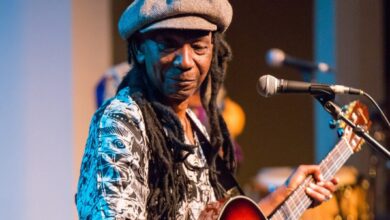
Everton Mlalazi Sparks Crucial Conversation on Building a Sustainable Gospel Music Ministry

The Music & Ministry Seminar hosted by Minister Everton Mlalazi brought together important voices from the gospel music industry to examine an issue that is often overlooked, the business side of gospel music. The event focused on how gospel artists can develop sustainable careers and ministries while remaining committed to their faith and message. Discussions covered royalties, music rights, branding, airplay, streaming revenue, contracts and bookings. Participants also explored practical ways musicians can understand the commercial opportunities connected to their work. The seminar reinforced the idea that gospel music can serve as ministry while also requiring sound business knowledge and responsible management.
The panel discussion created an opportunity for gospel musicians and industry participants to look beyond the creative process and consider what happens after a song is recorded and released. Writing and performing music are only part of building a sustainable gospel music career. Artists also need to understand how their recordings are licensed, distributed, promoted and monetised. Knowledge of contracts and music rights can help musicians make informed decisions when working with labels, promoters, producers, broadcasters and other industry partners. The discussions therefore addressed practical issues that can have a direct effect on an artist’s long-term career and ministry.
Royalties emerged as one of the important areas of discussion because music can generate income in several different ways. Gospel artists may earn royalties when their compositions or recordings are used under qualifying licensing arrangements. However, receiving royalties requires artists to understand what rights they own and how those rights are administered. Artists who do not keep proper records or understand their agreements can struggle to identify the income they may be entitled to receive. The seminar highlighted the importance of treating music rights as valuable assets rather than viewing songs only as tools for ministry or performance.
Music rights are particularly important because a single gospel song can involve several different interests. The person who writes a song may hold rights connected to the composition while another party may own or control rights associated with a sound recording. Agreements with publishers, labels, distributors or other partners can also affect how revenue and ownership are handled. Gospel artists therefore benefit from understanding the terms of any agreement before signing it. A stronger understanding of copyright and related rights can help musicians protect their creative work while making better decisions about how their music reaches audiences.
Branding was another key subject addressed at the Music & Ministry Seminar. For a gospel artist, branding involves more than a logo, stage clothing or social media design. It includes the way an artist communicates their identity, values, music and ministry to audiences. A clear and consistent brand can make it easier for listeners, event organisers and industry professionals to understand what an artist represents. Strong branding can also support opportunities for bookings, partnerships, media exposure and audience growth without requiring an artist to compromise the core message of their ministry.
Airplay and media exposure also remain important considerations for musicians seeking to expand their audiences. Radio and other broadcasting platforms can introduce gospel music to listeners who may not discover it through social media or streaming services. At the same time, artists need to understand that airplay can involve rights, licensing and reporting systems that affect how music usage is tracked and compensated. Building relationships with broadcasters and presenting music professionally can improve an artist’s chances of securing opportunities. The seminar encouraged participants to think strategically about promotion rather than relying solely on the quality of the music to create visibility.
Streaming revenue has also changed the way musicians approach music distribution and audience growth. Platforms that allow listeners to access music digitally have created new opportunities for gospel artists to reach audiences beyond their local communities. Streaming can provide income, but artists need realistic expectations because revenue depends on factors such as the platform, territory, agreements and number of qualifying streams. Digital distribution also requires attention to metadata, ownership information and release management. Understanding these details can help artists build a stronger foundation for turning their recorded music into a sustainable part of their ministry.
Contracts and bookings formed another important part of the discussion because live performances remain a significant opportunity for gospel artists. A booking agreement can establish essential details such as the performance fee, date, location, duration and responsibilities of the parties involved. Artists also need to understand cancellation terms, payment arrangements and other conditions before accepting an engagement. Clear contracts can reduce misunderstandings and give both artists and event organisers a better understanding of their obligations. For gospel musicians who perform regularly, developing confidence in negotiating and reviewing agreements can become an important part of professional growth.
The discussion also addressed the broader question of sustainability in gospel music. Many artists view their music primarily as a calling and a form of service, but ministry does not remove the practical costs involved in creating and distributing music. Recording, production, travel, marketing, equipment, musicians, rehearsals and performances can all require financial resources. Artists who understand the business side of their work can make more informed decisions about how to manage those costs and reinvest in their ministries. Sustainable management can allow musicians to continue producing music and serving their audiences over a longer period.
The Music & Ministry Seminar also provided an opportunity for networking among people involved in gospel music. Events of this nature can connect artists with fellow musicians, producers, promoters, broadcasters, industry professionals and other people who contribute to the music ecosystem. Sharing experiences can help participants identify challenges they have in common and learn from different approaches to building careers. Networking can also create opportunities for collaborations, performances and professional relationships. The value of the event therefore extended beyond the panel discussion itself, creating space for people to exchange ideas and develop connections.
Minister Everton Mlalazi’s message following the event captured the central theme of the seminar. He described the gathering as a time of learning, networking, sharing ideas and exploring opportunities within the gospel music industry. His message also emphasised the need for gospel musicians to understand and steward the business side of their work responsibly. This approach does not necessarily place business interests above ministry. Instead, it recognises that artists need practical knowledge if they want to manage their creative work effectively and create lasting impact.
The seminar also reflects a broader need for greater music business education among independent artists. The modern music industry offers more ways for musicians to record, distribute and promote their work, but those opportunities also bring greater responsibility. Artists may need to manage digital releases, social media, licensing, bookings, contracts and financial decisions while continuing to focus on their creative and ministry responsibilities. Without sufficient knowledge, musicians can find it difficult to determine which opportunities are beneficial and which agreements may limit their interests. Education can therefore play an important role in helping gospel artists build careers that are both professionally organised and aligned with their values.
The Music & Ministry Seminar ultimately presented a balanced view of gospel music and the responsibilities that come with pursuing it professionally. Gospel music remains deeply connected to faith, worship, encouragement and ministry, but the people creating it also operate within a complex music industry. Understanding royalties, music rights, branding, airplay, streaming revenue, contracts and bookings can help artists make better decisions about their work. The discussions also showed why networking and continued learning matter for musicians who want to grow beyond individual releases and performances. By combining a strong message with responsible business practices, gospel artists can create sustainable ministries and build lasting impact through their music.