Plot Mhako Says Winky D Has the Star Power to Fill National Sports Stadium Without Supporting Acts
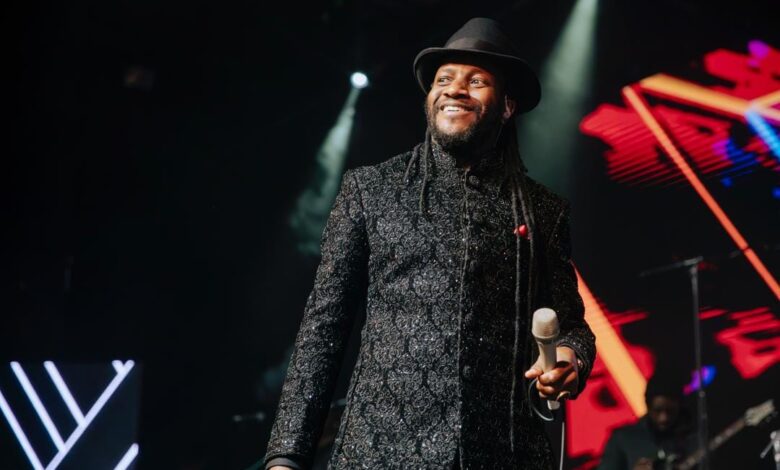
Zimbabwean arts personality Plot Mhako believes popular dancehall musician Winky D has enough star power to fill the National Sports Stadium on his own, without the need for supporting acts. His view has sparked discussion about the singer’s popularity, his influence on Zimbabwean music and his ability to attract a massive audience for a standalone concert. Mhako drew a comparison with Ghanaian dancehall star Shatta Wale, who has demonstrated the appeal of major headline performances. The argument centres on whether Winky D, widely recognised for his contribution to Zimbabwean dancehall, can command a stadium-sized crowd through his own catalogue and reputation. The discussion also raises broader questions about the changing expectations surrounding large-scale music concerts in Zimbabwe.
The National Sports Stadium in Harare is one of the country’s most recognisable venues for major public events. Filling such a large space requires more than musical talent, as promoters must consider ticket prices, marketing, logistics and the level of public interest in a performance. A headline artist with a strong following can attract a substantial audience, but the success of a stadium concert also depends on how effectively the event is organised. Supporting acts are often included to give audiences a longer programme and bring fans of different performers together. Mhako’s position challenges the assumption that a major concert needs several artists to generate enough excitement to fill a venue of this size.
Winky D has established himself as a prominent figure in Zimbabwean dancehall through his music, live performances and distinctive artistic identity. Known to many fans as the Gaffa, he has built a following that extends beyond the usual boundaries of the genre. His music has remained a major part of conversations about Zimbabwe’s contemporary music industry, with listeners connecting to his sound, lyrics and stage presence. For supporters who believe he can fill the National Sports Stadium alone, his established reputation is a central part of the argument. A solo concert would give him the opportunity to place his own music and performance at the centre of the entire event.
Mhako’s comparison with Shatta Wale adds an international dimension to the debate. The Ghanaian musician has built a substantial following through dancehall, energetic performances and a strong connection with his audience. His concert model provides an example of how an established artist can headline a major event without relying on a long list of supporting performers to attract attention. However, the success of one artist in a particular market does not automatically guarantee the same outcome for another. Differences in audience size, purchasing power, concert promotion and venue capacity all influence whether a solo stadium show can succeed.
The debate over supporting acts also touches on the economics of live music in Zimbabwe. Bringing several established performers to one event can help promoters reach different audience groups and create a festival-style experience. At the same time, a strong headline artist may provide a clearer identity for a concert, allowing marketing efforts to focus on one major attraction. A Winky D-only show would place greater emphasis on his ability to sustain audience interest throughout the event. It would also require careful planning around the length of the performance, sound production, stage design and the overall concert experience.
For Winky D’s fans, the idea of a solo show at the National Sports Stadium could be an opportunity to celebrate his music on a large scale. Such an event could feature songs from different stages of his career, giving audiences a chance to experience his catalogue in one setting. The atmosphere at a stadium concert depends heavily on the relationship between the performer and the crowd, especially when one artist carries the entire programme. A carefully planned set could create a continuous musical experience without interruptions between different performers. However, whether such a concert would fill the stadium remains a question that only ticket sales and actual attendance could answer.
Promoters considering a Winky D stadium concert would also need to assess the financial risks involved. Hiring a large venue, arranging security, installing production equipment and marketing the event can require significant investment. A solo headline show may reduce some performance-related costs, but it would place greater responsibility on the main artist to attract paying customers. Ticket pricing would need to balance affordability for fans with the expenses associated with staging the concert. Strong demand could make the event commercially successful, but promoters would need reliable audience research rather than relying on popularity alone.
Plot Mhako’s comments ultimately invite Zimbabwe’s music industry to consider the scale of Winky D’s appeal and the possibilities for major solo concerts. His comparison with Shatta Wale presents a challenge to the conventional approach of using multiple performers to strengthen a stadium event. Winky D’s established profile makes the suggestion worth discussing, although no concert outcome can be guaranteed without concrete plans and ticket sales. A successful solo performance at the National Sports Stadium would depend on the artist’s following, effective promotion and careful event management. For now, the idea highlights the confidence some observers have in Winky D’s ability to headline one of Zimbabwe’s biggest music events on his own.