Winky D’s TÊTE-À-TÊTE (HELLO AFRICA): How Zimbabwe’s Zimdancehall Pioneer Is Taking African Stories Beyond Borders
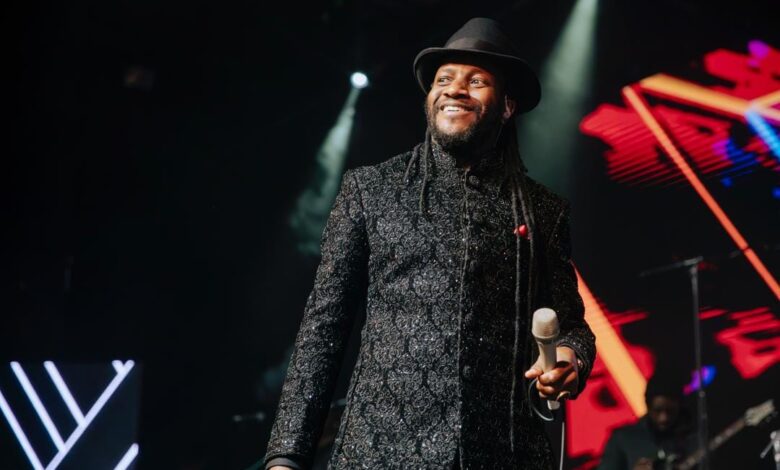
What does it mean to speak to an entire continent through music while remaining firmly rooted in the experiences of one country? For Zimbabwean musician Winky D, the answer lies in the relationship between local identity and shared African realities. His latest album, TÊTE-À-TÊTE (HELLO AFRICA), explores that relationship through music that considers African identity, freedom, leadership, inequality and the personal experiences shaped by those in power. The 16-track project reaches beyond Zimbabwe through collaborations with Ghanaian musician Rocky Dawuni on “Hello Africa” and Nigerian artist Patoranking on “Leadership.” Yet its wider ambitions do not erase the Zimbabwean perspective that has defined Winky D’s career. Instead, the album extends his established approach to storytelling, using the experiences of one country to explore questions that resonate across the continent.
Born Wallace Chirumiko and raised in Kambuzuma, Harare, Winky D has become one of the most influential figures in Zimbabwean music. His rise coincided with the development of Zimdancehall, a genre that adapted Jamaica’s Dancehall tradition to Zimbabwean languages, experiences and social conditions. Rather than simply reproducing a sound that had already found audiences elsewhere, Zimbabwean artists developed a musical expression that reflected their own communities. They brought local slang, humour, frustration, ambition and everyday struggles into a genre shaped by rhythmic intensity and direct communication. Winky D emerged as one of the artists who helped establish this distinctly Zimbabwean identity, demonstrating how an imported musical influence could become a vehicle for local expression.
His relationship with music began well before his emergence in the early 2000s. As a child, he collected reggae tapes, developing an appreciation for a tradition in which music could communicate political awareness, personal conviction and cultural identity. By the age of sixteen, he was performing at small functions and sound clashes, environments that exposed him to the uncertainty of building a career in music. Talent alone could not guarantee longevity, and performers could attract attention one day only to disappear from the scene soon afterwards. Those early experiences taught him that an artist had to earn a lasting place through the meaning and relevance of the music they created. That understanding continues to inform his approach to songwriting, performance and the relationship between an artist and the people who listen.
For Winky D, the transformation of Jamaican Dancehall into Zimdancehall was not simply a matter of changing accents or introducing local references. It involved adapting the music to a different history, language and set of social circumstances. Zimbabwean artists brought Shona expressions, neighbourhood experiences and familiar forms of humour into a musical tradition that already offered space for confidence, resistance and celebration. As these elements became part of the genre, Zimdancehall developed its own cultural character. Its identity grew through the way people used the music to describe their lives, communicate frustrations and recognise experiences shared within their communities. Winky D’s career reflects that process, showing how a musical form can retain its international influences while becoming deeply connected to the place where it develops.
The evolution of Zimdancehall has also depended on artists who arrived after its early pioneers. Winky D has acknowledged the contributions of musicians such as Killer T, Soul Jah Love and Enzo Ishall, whose individual styles have helped expand the genre’s range. Their approaches reflect different perspectives, creative choices and experiences rather than a single shared formula. Each artist has had to find a distinctive way of connecting with listeners while operating within a changing music industry. Recording technology, distribution methods and access to audiences have continued to evolve, creating opportunities that were less available to earlier performers. For Winky D, the important question is how artists use those opportunities to develop authentic voices that remain connected to the communities informing their music.
More than two decades into his career, Winky D occupies a distinctive position within Zimbabwean popular culture. He has accumulated the experience and influence associated with a veteran artist, yet he continues to explore new ideas rather than relying entirely on the sound and reputation that established him. He recognises that longevity brings responsibility, particularly when audiences look to an artist for entertainment, reflection or an understanding of their circumstances. That responsibility involves taking the work seriously, considering the messages carried by songs and respecting the trust listeners place in the artist. It also means allowing younger musicians the freedom to develop their own identities without expecting them to follow the same path. His continued activity within Zimdancehall demonstrates that experience does not have to mean creative stagnation.
Winky D’s relative privacy is another defining feature of his career. At a time when social media encourages public figures to respond constantly to commentary, speculation and criticism, he has generally preferred to keep his public communication focused on the music. This approach gives him room to concentrate on songwriting and performance without allowing every public conversation to dictate his attention. It also reflects a belief that communication should have a purpose, whether it involves sharing information about his work, encouraging listeners or expressing an idea worth considering. Maintaining that distance has its limitations because audiences will inevitably develop their own interpretations of an artist who reveals relatively little about his private life. Nevertheless, Winky D appears comfortable allowing the work itself to remain the principal means through which people understand his artistic intentions.
The distinction between Wallace Chirumiko and Winky D offers another perspective on the relationship between private experience and public identity. Wallace provides the observations, questions and experiences that inform the music, while Winky D represents the artistic expression through which those elements reach an audience. The name Winky D developed from audiences calling him “Wicked Deejay” during sound clashes, eventually becoming the identity recognised across Zimbabwean music. Other names associated with his career, including The Ninja, the Gafa and the Extra-terrestrial, reflect different dimensions of his artistic persona. These identities have also acquired meanings through the memories and interpretations of listeners. Beneath them remains an individual responsible for the choices made in the studio and the messages communicated through his songs.
This relationship between personal experience and artistic storytelling becomes particularly relevant when considering the emotional dimensions of TÊTE-À-TÊTE (HELLO AFRICA). Songs such as “Scars” and “Sorry Love” make room for questions of pain, relationships and emotional responsibility. Their presence alongside songs concerned with leadership, freedom and inequality suggests that Winky D does not treat social and personal struggles as entirely separate subjects. Public decisions affect communities, while private relationships shape how individuals understand trust, vulnerability and responsibility. Experience can also change how people recognise suffering, particularly when they begin to understand that not every wound is visible to others. Through storytelling, an artist can explore these experiences without presenting every song as a direct account of personal events.
The album’s wider perspective becomes especially clear through its international collaborations. Ghanaian musician Rocky Dawuni joins Winky D on “Hello Africa,” a collaboration that connects Zimbabwean musical expression with a Ghanaian artist whose work is associated with reggae and African roots music. Nigerian singer Patoranking appears on “Leadership,” bringing another national and musical perspective to a project concerned with the relationship between authority and ordinary people. These collaborations give the album a broader African frame without requiring Winky D to abandon his own artistic identity. Instead, they create opportunities for musicians shaped by different environments to engage with ideas that cross national boundaries. The result is a project that invites listeners to consider what African artists can communicate collectively while retaining the distinctive experiences that make their individual contributions meaningful.
The title TÊTE-À-TÊTE (HELLO AFRICA) reinforces this idea of dialogue. A tête-à-tête suggests a direct conversation, while the phrase “Hello Africa” extends that conversation towards a continental audience. The album’s 16 tracks provide room for different subjects and emotional registers, from questions of leadership and freedom to personal hurt and relationships. Its collaborations support that broader conversation, but its perspective remains grounded in the musical language Winky D developed through Zimdancehall. The project therefore does not need to present Africa as a single, uniform experience. Instead, it can recognise that people across the continent encounter related questions through different political systems, cultural traditions and personal circumstances.
Leadership is one of the album’s important themes because political and social authority has consequences that reach beyond public institutions. Decisions made by people in power influence the opportunities available to communities and the conditions under which individuals build their lives. Through a song such as “Leadership,” featuring Patoranking, Winky D places these questions within a musical conversation that extends beyond Zimbabwe. The collaboration creates space for listeners from different countries to consider how leadership should be understood and what responsibilities accompany authority. At the same time, the album’s wider interest in freedom and inequality connects these public concerns to the experiences of ordinary people. Music becomes a way to examine difficult questions without reducing them to political slogans or separating them from the human lives they affect.
Winky D’s approach also highlights the continuing importance of local language and cultural expression in African music. Zimdancehall draws strength from its connection to Zimbabwean speech, humour and everyday life, allowing listeners to recognise their own surroundings in the music. That connection does not prevent the genre from reaching people elsewhere. In fact, its specificity can make its stories more compelling because they emerge from recognisable experiences rather than an attempt to appeal to everyone at once. African music contains many languages, histories and traditions, and its diversity is central to its creative strength. By retaining his Zimbabwean perspective while working with artists from Ghana and Nigeria, Winky D demonstrates how a clear local identity can support a wider conversation rather than limit it.
TÊTE-À-TÊTE (HELLO AFRICA) also provides an opportunity to consider what longevity means for an artist working within a constantly changing musical culture. Maintaining a career requires more than preserving an established sound or repeating the choices that once attracted attention. Artists must continue to observe the world around them, understand changes in their audiences and decide which new ideas deserve expression through their work. Winky D’s reflections on the younger generation suggest that he recognises the importance of allowing Zimdancehall to evolve beyond any single artist. His own continued experimentation contributes to that evolution, while his emphasis on meaningful communication provides a consistent principle across different stages of his career. This balance between continuity and change helps explain why his work remains relevant to discussions about Zimbabwean music.
The album’s broader ambition ultimately rests on a straightforward idea. An artist does not need to leave their cultural identity behind to communicate with people from other countries. Winky D’s experiences in Kambuzuma, his early encounters with reggae and Dancehall, and his role in the development of Zimdancehall provide the foundation for music that considers questions shared across Africa. Collaborations with Rocky Dawuni and Patoranking extend that perspective through different national and artistic experiences, while tracks such as “Scars,” “Sorry Love” and “Leadership” point towards the connections between personal emotions and public life. The album brings these subjects together without suggesting that every African listener has the same experience or interpretation. Its strength lies in opening a conversation that allows differences to remain visible while identifying concerns that people may recognise across borders.
Winky D’s TÊTE-À-TÊTE (HELLO AFRICA) represents another stage in a career shaped by the relationship between music, identity and social experience. His contribution to Zimdancehall has helped establish a distinctly Zimbabwean form of expression, while his latest album broadens the scope of that expression through continental collaboration and themes that reach beyond national boundaries. His reflections on artistic responsibility, privacy, personal growth and the development of younger musicians reveal an approach grounded in the belief that music must remain meaningful to the people who hear it. By bringing questions of leadership, freedom, inequality, love and emotional pain into the same project, he recognises the many ways public and private life intersect. The album’s central achievement is not simply that it addresses Africa, but that it does so from a clear Zimbabwean perspective. It shows how music rooted in one country can contribute to a wider African conversation while preserving the experiences, language and cultural identity that give it a distinctive voice.