Sugar Sugar Faces Uncertainty Over Toyota Fortuner Gifted by Late Billionaire Wicknell Chivayo
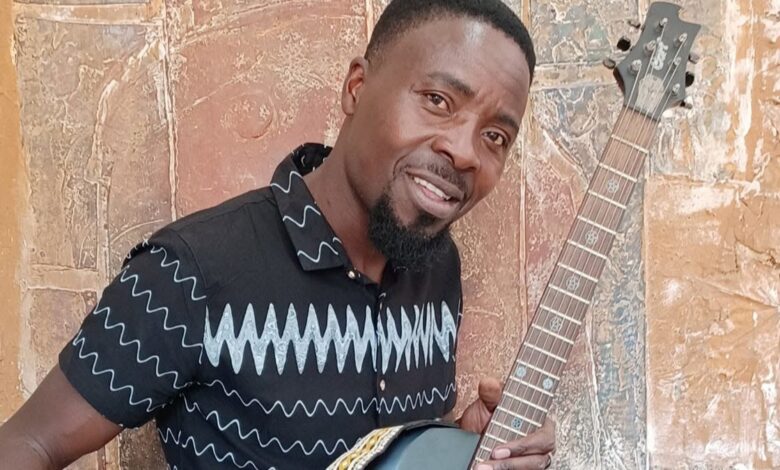
Zimbabwean musician Sugar Sugar is facing uncertainty over the ownership of a Toyota Fortuner he received as a gift from the late businessman Wicknell Chivayo. The vehicle has become the subject of questions after the musician revealed that he never received its logbook and was subsequently asked to return the car. The situation has raised concerns about the legal status of expensive vehicles gifted by Chivayo, who was widely known for giving luxury cars and cash to musicians, politicians and churches. A dealer linked to the vehicle has denied demanding its return, although the business confirmed that several cars supplied to Chivayo had not been fully paid for. The dispute highlights the financial complications that can arise when valuable gifts involve outstanding payments, incomplete paperwork and questions about legal ownership.
Chivayo, who reportedly died alongside his wife, Lucy, in a helicopter crash on September 30, 2026, was a prominent and controversial figure in Zimbabwe’s business and social circles. His public profile grew through his association with high-value business dealings and his highly publicised gifts to individuals and organisations. Musicians were among the beneficiaries of his generosity, with luxury vehicles often featuring prominently in announcements shared on social media. These gifts attracted widespread attention and helped establish his reputation as one of the country’s most visible benefactors. However, the questions now surrounding Sugar Sugar’s Toyota Fortuner have drawn attention to the distinction between receiving a vehicle and obtaining full legal ownership of it.
Sugar Sugar’s account centres on the absence of the vehicle’s logbook, an important document used to establish and verify vehicle registration and ownership. Without the necessary documentation, questions may arise over whether a recipient can legally transfer, sell or register a vehicle in their own name. The musician has also indicated that he was asked to return the Toyota Fortuner, adding to the uncertainty surrounding the gift. However, the dealer associated with the transaction has denied asking for the vehicle to be returned. The conflicting accounts leave important questions unanswered about the arrangement under which the car was supplied and whether any outstanding payments affect its ownership.
The dealer’s response has added another dimension to the controversy by confirming that approximately 15 vehicles supplied to Chivayo had not been fully paid for. This disclosure suggests that some transactions involving the late businessman’s luxury vehicle purchases may have remained financially unresolved. Such arrangements can become more complicated when a buyer dies before settling outstanding obligations, particularly if the vehicles have already been presented to other people as gifts. The recipients may believe that the vehicles belong to them, while dealers or other parties may still have contractual or financial interests in the transactions. The exact legal position depends on the terms of each purchase, the available documentation and the applicable laws governing ownership and unpaid debts.
Reports from Zimbabwe indicate that Chivayo left behind substantial outstanding debts to three major car dealerships, with the combined amounts estimated at millions of United States dollars. Faramatsi Motors is reportedly owed US$2.4 million, while Exquisite Cars is said to have been owed US$1.4 million and Enterprise Car Sales US$1.3 million. If these reported figures were accurate, the combined outstanding amount would be approximately US$5.1 million. However, the figures have not been accepted by every party involved. The owner of Exquisite Cars disputed the reported amount and stated that his company had written off any outstanding debt, illustrating why individual claims must be distinguished from confirmed liabilities.
The reported debts could complicate efforts to determine what happens to vehicles supplied to Chivayo before his death. When a purchaser has outstanding obligations, the status of a vehicle may depend on whether the purchase agreement transferred ownership immediately or made the transfer conditional on full payment. The existence of an unpaid balance does not automatically establish that a dealer can recover a vehicle from a third-party recipient. That question would require examination of the relevant contracts, registration records and any other documents connected to the transaction. In Sugar Sugar’s case, the missing logbook and conflicting statements make it difficult to draw a firm conclusion about who has the strongest legal claim to the Toyota Fortuner.
Chivayo became widely recognised for his publicised gifts of expensive vehicles and cash to musicians, politicians, churches and other beneficiaries. His publicly announced gifts were reported to exceed US$50 million, while he personally claimed to have given away more than US$100 million. The difference between those amounts reflects the distinction between gifts documented in public announcements and the larger total he claimed to have distributed. His generosity attracted significant attention because the gifts often involved high-value vehicles and large sums of money. The practice also created a public image closely associated with luxury, wealth and the direct financial support of prominent individuals and institutions.
For musicians such as Sugar Sugar, receiving an expensive vehicle could represent both a personal benefit and a public endorsement from a wealthy benefactor. Luxury cars can also improve an artiste’s public profile, especially when the gift becomes a widely discussed event on social media. However, the current uncertainty demonstrates why recipients need to understand the legal and financial arrangements behind valuable gifts. A vehicle handover alone may not resolve questions about registration, payment or ownership. Ensuring that the relevant documents are available and that the transfer has been completed can help protect recipients from disputes that emerge later.
Questions have also emerged about Chivayo’s property holdings, including a mansion in Harare that he agreed to purchase for US$2.555 million in 2017. Reports indicate that the ownership transfer was never completed following disagreements over taxes. The situation raises further questions about the distinction between agreeing to purchase a property and becoming its registered legal owner. Even when a buyer has made arrangements to acquire an expensive property, unresolved taxes or contractual disagreements can delay the transfer process. The final ownership position therefore depends on the transaction documents and the legal status of the property rather than the purchase agreement alone.
Chivayo also claimed to own a private jet valued at US$34 million, alongside properties in Dubai, England, South Africa and Eswatini. These claims have added to the interest surrounding his estate and the process of identifying and verifying his assets. Establishing the full extent of an estate can require examination of property records, company interests, financial accounts and ownership documents in several jurisdictions. Assets held through companies or other legal structures may also require separate investigations to establish who owns them and whether creditors have valid claims against them. The reported international reach of Chivayo’s holdings could therefore make the administration of his estate more complex than a straightforward transfer of personal possessions.
Following his reported death, his family faces the task of addressing outstanding financial matters and determining the legal status of assets associated with him. This process may involve identifying debts, reviewing disputed transactions and establishing which properties and vehicles form part of the estate. Creditors may seek repayment of valid outstanding obligations, while people who received gifts may need to establish whether ownership was properly transferred before Chivayo died. The outcome will depend on the evidence available and the legal requirements governing each transaction. Until those matters are clarified, beneficiaries may face uncertainty over whether they can retain, register or transfer assets they previously understood to be theirs.
The Toyota Fortuner controversy involving Sugar Sugar illustrates the practical consequences that can follow when expensive gifts lack complete documentation or remain connected to unpaid transactions. The dealer has denied demanding the car’s return but has acknowledged that some vehicles supplied to Chivayo were not fully paid for, while reports of millions of dollars in outstanding dealership debts remain disputed in part. Questions surrounding the Harare mansion, the private jet and other claimed properties add to the wider uncertainty over the late businessman’s financial affairs. Sugar Sugar’s ultimate position will depend on the ownership documents, the terms of the vehicle transaction and any legally established claims involving the car. As Chivayo’s estate is examined, the case serves as a reminder that a valuable gift and legally confirmed ownership are not always the same thing.