Tafadzwa Samantha Mazvaravana Launches Beyond Impact to Promote Sustainable Tourism
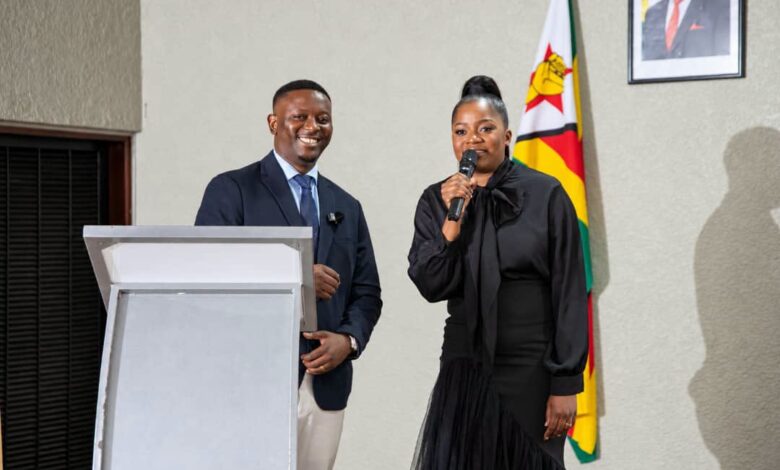
Tafadzwa Samantha Mazvaravana, a 29-year-old entrepreneur born and raised in Victoria Falls, Zimbabwe, has returned home after years of pursuing higher education and building an international career in the United Kingdom to launch Beyond Impact, a venture designed to advance sustainable tourism. She launched the business alongside her husband, Thamsanqa Mhlanga, a software and systems engineer, at a ceremony held in Victoria Falls on Friday. Beyond Impact aims to help tourism businesses assess, improve and demonstrate their environmental, social and business performance through a structured, technology-enabled sustainability management system. The initiative comes as responsible tourism and environmental protection continue to feature prominently in discussions about the future of destinations that depend on natural attractions and community participation. For Mazvaravana, the venture is both a professional ambition and a personal commitment to the town that shaped her upbringing and her understanding of tourism.
Mazvaravana’s connection to Victoria Falls stretches back several generations through her family history. Her late grandfather, Hogar Nhira, was among the early captains to navigate boats on the Zambezi River, a connection that brought the Nhira family to the resort town. Tourism subsequently became an important part of the family’s story, shaping Mazvaravana’s understanding of the industry’s contribution to local livelihoods and economic development. Having grown up in Victoria Falls, she witnessed the importance of tourism revenue to businesses, workers and residents who depend on the sector. She entered the tourism industry at the age of 16, gaining early experience that helped inform her perspective on the relationship between tourism growth and the long-term wellbeing of the destination.
“I grew up here, I am a product of tourism revenue and I have always understood what Victoria Falls means to tourism, to Zimbabwe and to the people who call this place home,” Mazvaravana said. Her personal experience helped shape the thinking behind Beyond Impact and its focus on creating lasting value for tourism destinations. Rather than concentrating only on increasing visitor numbers and business revenue, she wants tourism operators to consider how their activities affect the environment and surrounding communities. She believes businesses need practical ways to understand their current performance, identify areas that require improvement and measure the results of their efforts. This thinking led her to develop a venture intended to make sustainability a more structured part of tourism management.
“So the idea of Beyond Impact became about asking a simple question: how can we ensure that the tourism we grow today continues to create value for the destination tomorrow?” she said. The question reflects the challenge facing tourism destinations that rely on natural attractions while seeking to expand economic opportunities. Victoria Falls attracts visitors because of its natural beauty and its importance as a major tourism destination, making environmental protection essential to its continued appeal. At the same time, tourism businesses must consider resource use, waste management, employment practices and their relationships with local communities. Beyond Impact seeks to help operators understand these responsibilities and integrate them into their business decisions.
The venture approaches sustainability as an ongoing management process rather than a collection of isolated environmental or community projects. Its system is designed to help businesses assess their current position, gather supporting evidence, identify opportunities for improvement and develop action plans. Operators can then implement recommendations, reassess their performance and report on their progress. This process is intended to give businesses a clearer understanding of their sustainability efforts and help them identify areas where further action may be needed. By establishing a structured approach, Mazvaravana hopes to help tourism operators move beyond broad commitments and demonstrate their progress through evidence and measurable results.
“The platform is designed to take businesses through a structured journey, from initial assessment and evidence gathering, through recommendations and action planning, to implementation, reassessment and reporting,” she said. The system is intended to make sustainability more accessible to businesses that may need guidance on how to assess their impact and establish practical improvement plans. Instead of treating sustainability as an occasional exercise, operators can use the process to review their performance and make adjustments over time. This can help businesses identify opportunities to improve resource efficiency, strengthen community relationships and build more resilient operations. The approach also places importance on documenting progress so that sustainability claims can be supported by information rather than words alone.
Beyond Impact is built around four key areas: nature, people and communities, resources, and resilient business. These areas reflect the environmental, social and commercial factors that influence the long-term success of tourism operations. The nature component focuses on protecting the natural environment that attracts visitors and supports tourism activities. The people and communities component recognises the importance of local residents, employees and other stakeholders in creating a tourism industry that delivers meaningful benefits. The resources and resilient business components encourage operators to consider how they use resources and prepare their businesses to manage changing conditions over time.
A technology-enabled sustainability management system sits at the centre of the venture. The digital platform is intended to support the assessment process, help businesses organise relevant information and provide a framework for monitoring improvements. By bringing different aspects of sustainability management together, the system aims to make it easier for operators to understand their responsibilities and track their progress. Consistent documentation can also help businesses communicate their efforts to stakeholders and identify areas where additional work is required. The venture’s broader objective is to help establish an industry in which sustainability can be understood, managed, measured and demonstrated rather than treated simply as a marketing claim.
Mazvaravana’s academic background and professional development helped shape the concept behind Beyond Impact. She holds a Bachelor’s degree in Psychology and a Master’s degree in Global Security and Strategy from the University of London’s School of Oriental and African Studies, commonly known as SOAS. She has also completed multiple professional certifications and training programmes, including programmes associated with the University of Oxford. Through research, professional conversations, webinars, training and consulting work, she developed a growing interest in environmental, social and governance issues, commonly known as ESG, as well as sustainability and responsible business practices. These experiences helped her identify an opportunity to apply sustainability management principles to Africa’s tourism industry.
ESG provides a framework for examining how businesses manage their environmental responsibilities, social relationships and governance practices. Environmental considerations include resource consumption, waste management and the effects of business activities on nature. Social factors include working conditions, community engagement and the distribution of economic opportunities. Governance focuses on how organisations make decisions, maintain accountability and manage their responsibilities. For tourism businesses, these considerations are closely connected because commercial success often depends on the quality of the natural environment, relationships with local communities and effective management. Beyond Impact aims to help operators consider these different factors within a structured approach to business performance.
Mazvaravana wants the venture to contribute to a tourism industry in which sustainability becomes part of everyday management. She believes businesses should be able to explain what they are doing, assess whether their efforts are effective and demonstrate the progress they have made. This approach could help operators make more informed decisions about their activities while giving them a clearer way to communicate their environmental and social responsibilities. It could also encourage businesses to identify weaknesses before they become more serious operational challenges. However, the venture’s eventual impact will depend on how businesses use the system, implement recommended changes and maintain their commitment to improvement.
Her husband, Thamsanqa Mhlanga, played an important role in turning the original concept into a functioning digital system. As a software and systems engineer, he contributed the technical expertise needed to develop the technology that supports Beyond Impact’s sustainability management process. Their partnership brings together Mazvaravana’s interest in sustainability and tourism with Mhlanga’s experience in software and systems development. The collaboration helped translate an initial idea into a digital business concept intended to address practical challenges within the tourism industry. Their shared ambition is to make sustainability management easier for businesses to understand and incorporate into their operations.
Mhlanga described his involvement as an opportunity to help build an ambitious project with his wife. “Samantha woke up one day and said, we will transform the narrative around sustainability in Africa, looked me in the eyes and said, you are going to be part of building this with me,” he said. “Who could say no to such an interesting challenge?” His remarks highlighted the shared commitment behind the venture and the role of collaboration in its development. Building the platform required combining a sustainability-focused vision with the technical work needed to create a practical digital system. Their partnership reflects how expertise in different fields can contribute to developing solutions for business and environmental challenges.
The launch of Beyond Impact brought together representatives from the tourism sector, the Zimbabwe Tourism Authority, the City of Victoria Falls and other stakeholders. Zimbabwe Tourism Authority regional manager Daniel Mupande welcomed the focus on sustainability, particularly given Victoria Falls’ importance as a major tourism destination. He said the resort town’s status as a World Heritage Site carries a responsibility to balance economic growth with conservation. Tourism development can create employment and business opportunities, but it also requires careful management of the natural environment that supports the destination’s appeal. Mupande said initiatives such as Beyond Impact were timely in helping tourism operators respond to increasing expectations around responsible tourism.
Mupande also noted that sustainability is increasingly influencing traveller choices and the competitiveness of tourism destinations. Tourism operators need to consider how their business practices affect the environment, local communities and the overall visitor experience. For Victoria Falls, protecting natural assets while supporting economic development is important to maintaining the destination’s appeal over time. Mupande welcomed private-sector initiatives that complement the Zimbabwe Tourism Authority’s efforts to position the country as a leading sustainable tourism destination. His remarks underscored the role that businesses and industry stakeholders can play in encouraging responsible tourism practices.
The launch also highlights the wider importance of sustainability management for tourism businesses across Zimbabwe and Africa. Tourism generates economic opportunities through accommodation, transport, guiding services, restaurants and other activities that support visitors. However, these businesses also rely on natural resources, public infrastructure and the participation of local communities. Managing these relationships responsibly can help protect the foundations on which tourism depends while supporting long-term business stability. By helping operators assess their practices and identify areas for improvement, Beyond Impact aims to contribute to a more accountable approach to tourism development.
For Mazvaravana, establishing Beyond Impact in Victoria Falls brings her professional ambitions back to the destination that influenced her early understanding of the industry. Her education and experience in the United Kingdom helped broaden her perspective, while her family history and early involvement in tourism provided a strong connection to the local sector. She is now seeking to apply those experiences to a venture that addresses sustainability challenges through a practical management system. Her goal extends beyond helping individual businesses improve their operations, as she hopes to contribute to a wider shift in how African tourism measures and communicates its impact. She believes Victoria Falls has an opportunity to demonstrate that tourism growth and environmental responsibility can support one another.
The success of Beyond Impact will ultimately depend on whether tourism operators can turn assessments and recommendations into meaningful changes. A management system can help identify priorities and organise information, but businesses must also commit time and resources to implementing improvements. Regular reviews, clear responsibilities and reliable evidence will be important to showing whether sustainability efforts are producing results. Businesses may also need to adjust their plans as operational conditions and stakeholder expectations change. By supporting an ongoing process of assessment, action and reporting, Beyond Impact aims to give tourism operators a practical framework for managing these responsibilities.
Tafadzwa Samantha Mazvaravana’s launch of Beyond Impact marks a significant step in her effort to connect entrepreneurship, technology and sustainable tourism in Zimbabwe. Drawing on her family ties to Victoria Falls, her academic background and her growing expertise in sustainability, she has established a venture designed to help tourism businesses understand and demonstrate their wider impact. Her partnership with Thamsanqa Mhlanga has brought the concept into a digital format, while support from tourism stakeholders has highlighted the importance of responsible growth for the destination. As the tourism industry faces increasing expectations to protect natural resources, support communities and build resilient businesses, structured sustainability management could play a valuable role in its development. Through Beyond Impact, Mazvaravana aims to help Victoria Falls and the wider African tourism sector pursue economic opportunities while protecting the environmental and social foundations that make tourism possible.