Charity Dlodlo Speaks Out on Gender Inequality and Abuse Facing Women in the Entertainment Industry
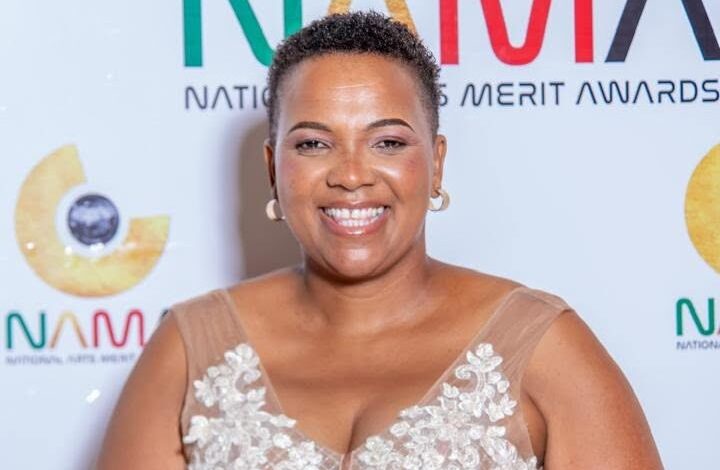
Veteran Zimbabwean actress Charity Dlodlo believes women in the entertainment industry must work twice as hard as their male counterparts to earn recognition, secure opportunities and build successful careers. After 24 years in film and theatre, the 50-year-old actress has witnessed the difficulties female creatives face while trying to establish themselves in a highly competitive industry. She describes the creative sector as a dangerous jungle where women remain vulnerable to financial exploitation, psychological and emotional abuse and sexual harassment. Through her internationally acclaimed one-woman play, Once An Actress, Dlodlo is using theatre to expose these challenges and encourage meaningful conversations about the treatment of women in showbiz. Her message is clear: female artists should understand their worth, stand firm against exploitation and refuse to accept abuse as part of building a career.
Dlodlo’s concerns come from years of personal experience and observations of the challenges faced by other women in the entertainment business. While talent and dedication are important, she believes female creatives often encounter additional obstacles that their male counterparts may not face to the same extent. These challenges can affect their ability to secure acting roles, negotiate fair payment and progress professionally. Some women also find themselves dealing with individuals who use their positions of influence to demand personal favours in exchange for career opportunities. Such experiences create an environment in which aspiring actresses may feel pressured to tolerate unacceptable behaviour simply to remain employed. Dlodlo believes this culture needs to be challenged if the entertainment industry is to become safer and more inclusive.
Her one-woman production, Once An Actress, provides a powerful platform for confronting these uncomfortable realities. Written by British author Tony Layton and directed by Stanley Mambo in Malawi, the play explores gender inequality, exploitation, sexual harassment and violence against women. It highlights how some producers and directors allegedly misuse their professional authority to prey on both aspiring and established actresses. Through the production, Dlodlo challenges the belief that women must compromise their dignity or tolerate abuse to secure roles and advance their careers. The performance also encourages audiences to reflect on the power imbalances that exist within the creative industry. By placing these issues at the centre of her work, the actress has turned theatre into a tool for education, awareness and social change.
Once An Actress is particularly important because conversations about harassment and exploitation in the entertainment industry are not always easy to have. Many female creatives may fear losing professional opportunities if they speak openly about their experiences. Others may struggle to report inappropriate conduct because of financial dependence or the influence held by those responsible for offering jobs. These circumstances can allow harmful practices to continue without proper accountability. Dlodlo’s production gives such experiences a public platform and encourages audiences to recognise that abuse should never be considered an acceptable price for success. Her work also reinforces the importance of protecting young and inexperienced artists as they enter the entertainment business.
The actress believes women must remain firm and resolute while recognising their professional and personal worth. Her advice reflects the reality that navigating the entertainment industry requires more than acting talent alone. Female creatives need to understand their rights, establish boundaries and resist pressure from individuals who attempt to exploit their ambitions. They also need professional environments where they can report misconduct without fearing retaliation. Dlodlo’s message is not simply about encouraging women to become stronger in the face of abuse. It is also a challenge to the industry to create conditions in which women do not have to endure mistreatment to earn recognition. Her play therefore speaks to both female artists and the people who hold positions of power in film and theatre.
Beyond its social message, Once An Actress has demonstrated the ability of commercial theatre to attract audiences outside Zimbabwe’s major cities. Although the production has been staged at established Harare venues such as Theatre in the Park and Reps Theatre, Dlodlo has also taken the performance closer to her rural roots in KwaHunhu, Mutoko. Her decision to stage the production at Nyamakwere Auditorium was driven by a desire to introduce her community to her work and help local audiences understand the importance of theatre. The venue was packed, with community elders, businesspeople and arts enthusiasts attending the performance. The strong turnout demonstrated that audiences in rural communities can appreciate and support serious theatrical productions when given the opportunity.
Speaking after the Mutoko performance, Dlodlo explained that bringing the play to her community was personally important. She said she wanted local people to understand her calling as an actress, particularly because some struggled to understand what she actually did when she travelled for performances. She noted that whenever she told people she would be performing locally or overseas, they often asked what the work involved. The Mutoko show gave her an opportunity to answer that question through a live theatrical experience. She was encouraged by the overwhelming response and admitted that she wished she had organised performances over two or three consecutive days. However, after spending two weeks rehearsing, she was exhausted by the time the show took place.
The successful Mutoko performance also highlights the importance of taking arts and cultural activities beyond established urban entertainment centres. Theatre often faces challenges in reaching audiences because of limited performance spaces, production costs and the concentration of major events in cities. By staging Once An Actress in her home community, Dlodlo demonstrated that rural audiences can become an important part of the commercial theatre market. Such initiatives can also create opportunities for local communities to engage with important social issues through live performances. Her approach shows how established artists can use their experience and reputation to expand access to the arts. It also challenges the assumption that meaningful theatrical productions can only attract large audiences in Harare or other major urban centres.
Although Once An Actress was developed during the Covid-19 pandemic, its themes remain relevant. The pandemic placed enormous financial pressure on many people working in the creative sector, forcing some artists to explore alternative ways of earning a living. The closure or disruption of entertainment activities affected performers who depended on live shows, theatre productions and other creative projects for income. Dlodlo recalled producing and performing the play during that difficult period, when circumstances made it particularly challenging to sustain artistic work. Despite those obstacles, she is pleased that audiences continue to connect with the production because it addresses issues that remain important in women’s lives. Its continued relevance demonstrates that theatre can preserve important social conversations even after the circumstances that inspired a production have changed.
Dlodlo also reflected on how some female creatives turned to alternative income-generating activities during the pandemic. She mentioned Tinopona Katsande, who faced ridicule from some social media users but managed to turn online attention into an income-generating opportunity. Her example illustrates the difficult choices artists sometimes face when traditional entertainment opportunities become unavailable. Instead of relying exclusively on acting and television work, some creatives have had to explore vending, social media and other forms of business to survive. These experiences also expose the financial insecurity that many people in the arts industry face. Dlodlo’s own journey included relocating to Malawi, where she began rehearsing Once An Actress under the direction of Stanley Mambo.
The actress’s professional journey has been shaped by several important experiences and collaborations. She rose to prominence through her appearance in the popular Zimbabwean television soap Studio 263, where she starred for eight years. Her audition was conducted by the late Godwin Mawuru, a respected figure in Zimbabwean television and film. Through her portrayal of Mai Madziva and other memorable characters, Dlodlo established herself as a familiar face among local television audiences. Her work in Studio 263 helped introduce her to a wider audience and strengthened her position as an accomplished actress. The experience also provided a foundation for her continued involvement in theatre and other creative productions.
Over the years, Dlodlo has worked with several respected personalities in the Zimbabwean entertainment industry. Her professional experiences have included collaborations with filmmaker Joe Njagu, Nakai Tsuro of Tatenda Studios, theatre practitioner Daves Guzha and actress and playwright Danai Gurira. Working with established creative figures has contributed to her experience across different areas of performance and storytelling. Her career reflects the importance of continued learning, professional relationships and adaptability in an industry that constantly changes. After more than two decades in entertainment, she has also gained the experience needed to speak confidently about the obstacles facing female performers. Her views carry the perspective of someone who has experienced the demands of the profession over an extended period.
Her contribution to Zimbabwean arts was further recognised at the 24th National Arts Merit Awards, where she received the Outstanding Actress award. The recognition highlighted her achievements and the impact of her work within the local creative industry. Awards can provide valuable recognition for artists, particularly those who have spent years developing their craft and contributing to the growth of the arts. For Dlodlo, the honour added to an already established career in television and theatre. However, her current focus extends beyond personal recognition. Through Once An Actress, she is using her platform to address issues that affect other women who are still trying to find their place in the industry.
The production also raises important questions about the responsibilities of producers, directors and other industry decision-makers. Those who control casting decisions and professional opportunities have a responsibility to maintain ethical working environments. Female actors should be judged on their talent, preparation and ability to perform rather than their willingness to tolerate inappropriate demands. Industry organisations and creative institutions also have an important role to play in promoting professional standards and providing safe channels for reporting harassment. Addressing these concerns requires more than public discussions or theatrical performances. It requires practical action, accountability and a willingness to challenge behaviour that puts women at risk.
Dlodlo’s continued commitment to theatre shows that entertainment can serve a purpose beyond providing audiences with amusement. Through Once An Actress, she is bringing difficult subjects into public discussion while demonstrating the value of storytelling as a means of social awareness. Her decision to take the production to Mutoko has also strengthened its community impact and shown that serious theatre can attract audiences in rural areas. Her journey from Studio 263 to award-winning theatre performances reflects a career built through years of dedication and professional experience. More importantly, her willingness to speak about gender inequality and exploitation gives other female creatives an opportunity to reflect on their experiences and recognise that abuse should never define their careers.
Charity Dlodlo’s message is an important reminder that talent alone does not always guarantee equal opportunities in the entertainment industry. Women continue to face challenges involving discrimination, financial exploitation, harassment and unequal access to professional opportunities. Her 24 years in the creative sector have given her a platform to highlight these realities, while Once An Actress has allowed her to turn personal and shared experiences into a meaningful theatrical production. From leading Harare theatres to a packed auditorium in Mutoko, she has also shown that Zimbabwean theatre can reach audiences beyond traditional urban centres. Her work challenges the industry to treat women with dignity and respect while encouraging female creatives to stand firm and recognise their worth. For Dlodlo, the fight for equality in entertainment is not just a subject for the stage. It is a conversation that deserves attention and action throughout the creative industry.