Mzoe7 Highlights Importance of Music Business Knowledge and International Networking After ACCES 2026

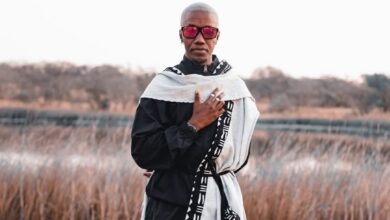
Bulawayo musician Mzoe7 has highlighted the importance of understanding the business side of the music industry following his participation in the 2026 Music in Africa Conference for Collaborations, Exchange and Showcases (ACCES) in Johannesburg, South Africa. The conference gave the Zimbabwean artist an opportunity to learn more about international bookings, artiste management, music publishing, licensing and the professional relationships that help musicians grow their careers. Best known for his hit song “Ginimbi,” Mzoe7 was among the music industry professionals who attended the four-day event held from October 28 to 31, 2026. His experience provided valuable insight into how artists can turn musical talent into sustainable careers through business knowledge and strategic networking. For the Bulawayo musician, the biggest lesson was that success in music requires more than recording good songs and performing for audiences.
Speaking about his experience, Mzoe7 described ACCES as an important opportunity to gain industry knowledge, establish professional connections and understand the processes involved in building a successful music career. He explained that the conference broadened his understanding of the commercial side of music, particularly the structures that connect artists with performance opportunities and international markets. One of his major takeaways was learning how booking agents operate and how musicians should approach them when seeking performance opportunities. Understanding what agents require from artists can help musicians prepare professionally and improve their chances of securing bookings. This knowledge is particularly important for African artists looking to expand their careers beyond their home countries.
The musician also highlighted the importance of understanding industry terminology and professional agreements. Topics such as contracts, royalties, publishing, licensing, artiste management and negotiations formed part of the knowledge he gained during the conference. These areas play an important role in determining how musicians manage their intellectual property, receive payment and protect their interests when working with different industry stakeholders. Artists who understand these processes are better positioned to make informed business decisions and negotiate professional opportunities. For Mzoe7, gaining this knowledge is an important step towards approaching his music career with a stronger business understanding.
International bookings were another major area of interest for the Bulawayo musician. Performing outside one’s home country can introduce an artist to new audiences, create opportunities for collaborations and open doors to further engagements. However, securing international performances involves more than receiving an invitation or having a popular song. Artists must understand booking arrangements, contractual obligations, travel requirements and the expectations of promoters and event organisers. Mzoe7’s participation at ACCES helped him gain a better understanding of these processes and how African musicians can position themselves for opportunities at international festivals and music markets.
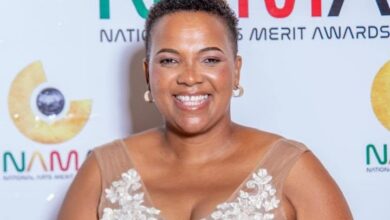
Networking was another valuable part of his experience at the Johannesburg conference. ACCES brought together musicians, producers, promoters, managers and other music industry professionals from different markets. Mzoe7 had the opportunity to interact with several industry personalities, including Slikour, Sakhele Mzalazala and Raphael Benza. These interactions are important because professional relationships can lead to future collaborations, business partnerships and performance opportunities. For independent and emerging artists, building meaningful industry connections can be just as important as developing a strong musical catalogue.
Beyond the opportunities presented by networking, Mzoe7 also raised concerns about the challenges African musicians face when travelling internationally for professional engagements. Visa requirements and other travel restrictions can make it difficult for artists to attend festivals, conferences and collaborative projects outside their countries. These barriers can limit cultural exchange and prevent musicians from fully participating in the international music industry. He called for more streamlined visa processes, stronger cultural exchange programmes and partnerships that make it easier for African artists to travel and conduct business across borders. His position reflects a wider concern about the need to improve mobility for African creative professionals.
Mzoe7 believes that African musicians should be able to move beyond simply creating music that attracts international audiences. They also need opportunities to travel, perform, collaborate and establish professional relationships in different markets. This requires cooperation between governments, event organisers, music organisations and other industry stakeholders. Stronger cultural exchange programmes could create more opportunities for African artists to showcase their work internationally. Improved access to international markets would also allow musicians to develop relationships that support long-term career growth.
The musician further emphasised the importance of branding, professionalism and strategic partnerships. In an increasingly competitive music industry, an artist needs more than musical ability to build a sustainable career. A clear brand identity helps audiences and industry professionals understand what an artist represents. Professional communication, reliable management and well-structured business relationships also influence how musicians are perceived by promoters, booking agents and potential partners. Mzoe7 believes that African artists already possess the creativity and talent needed to compete internationally, but they must strengthen the business structures that support their work.
His participation at ACCES comes during an eventful year for the Zimbabwean musician, who has also taken his performances beyond the country’s borders. Earlier in 2026, Mzoe7 made his debut in the United Arab Emirates at the inaugural Easy Pink Harmony Concert in Dubai. He shared the stage with fellow Zimbabwean artists Atenda Chinx and Shinsoman, alongside other performers. The performance marked an important milestone in his international journey and gave him an opportunity to present his music to an audience outside Zimbabwe. His Dubai appearance also demonstrated the growing opportunities available to Zimbabwean musicians who are expanding their performance activities into international markets.
His experience in Dubai and his participation at ACCES offer two different but connected aspects of international music development. The Dubai performance provided practical experience of performing outside Zimbabwe, while the Johannesburg conference offered insight into the business knowledge needed to secure and manage such opportunities. Both experiences highlight the importance of preparing artists for the realities of international music markets. Performing abroad can help musicians gain exposure, but understanding contracts, bookings, management and professional relationships is essential for turning exposure into sustainable opportunities. For Mzoe7, combining performance experience with industry education is an important part of developing his career.
The 2026 ACCES conference also reinforced the importance of knowledge exchange within the African music industry. Bringing together different professionals creates opportunities for musicians to understand how the industry operates across various countries and markets. Artists can learn from experienced managers, promoters and producers while identifying potential partners for future projects. Such platforms also encourage conversations about the challenges affecting African musicians and possible ways to address them. Mzoe7’s experience demonstrates why artists should take advantage of industry conferences and professional development opportunities rather than focusing exclusively on recording and releasing music.
For the Bulawayo musician, the message is clear. African artists have the talent, culture and creativity to compete on the global stage, but they also need stronger industry structures, professional networks and better access to international opportunities. His participation at ACCES 2026 represents an important learning experience as he continues to explore opportunities beyond Zimbabwe. From his Dubai performance to his interactions with industry personalities in Johannesburg, Mzoe7 is gaining exposure to different aspects of the international music business. His experience highlights an important reality for African musicians: building a lasting music career requires creative talent, business knowledge, professionalism and meaningful connections. As he puts it, Africa has the talent, and the next step is to build the bridges that allow that talent to reach the world.