Neville Sigauke Celebrates African Women and Cultural Heritage in New Song Chimhamha Che Africa
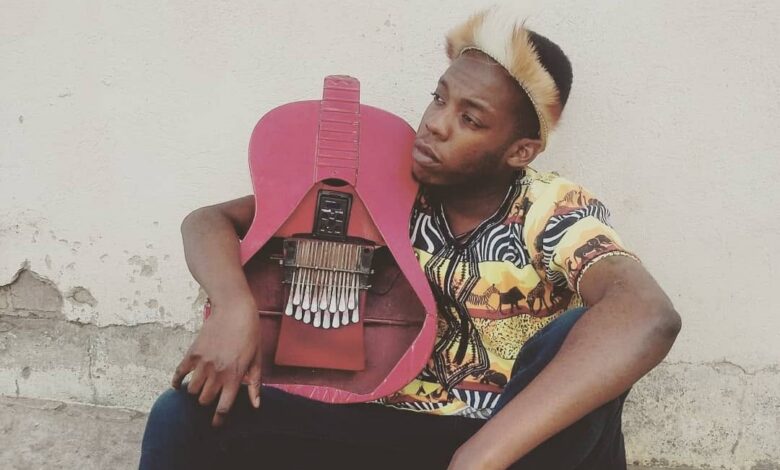
Zimbabwean musician Neville Sigauke is celebrating the strength, cultural identity and influence of African women through his latest song, Chimhamha Che Africa. Released on Friday, the song delivers a powerful message about the importance of preserving African traditions, indigenous languages and cultural values for future generations. Featuring a diverse group of musicians and creative contributors from Zimbabwe, Kenya and the United Kingdom, the track brings together different voices to celebrate African heritage and the important role women play in keeping cultural traditions alive. At its heart, Chimhamha Che Africa recognises women as custodians of family histories, traditional knowledge, languages and values that help define African identity. Through this musical project, Sigauke hopes to encourage African women and younger generations to embrace their roots rather than allow traditional practices to disappear under changing social influences.
The title Chimhamha Che Africa reflects the song’s celebration of African womanhood and the important place women occupy in preserving cultural identity. Sigauke believes that African women have a significant responsibility in passing down traditions, stories and values from one generation to another. Their influence often begins within families, where children learn their mother tongues, cultural practices and the values that shape their understanding of their communities. The song highlights how this knowledge contributes to the continuity of African heritage. Rather than treating culture as something belonging only to the past, Sigauke wants people to recognise its continued relevance in modern African society.
One of the most memorable elements of the song is its opening, delivered by Sigauke’s 13-year-old sister, Natalie. She introduces the track with the powerful line, “Wathinta’ bafazi, wathinti’ mbokodo,” which translates to “You strike a woman, you strike a rock.” The expression is widely associated with women’s strength, resilience and determination, making it a fitting introduction to a song dedicated to celebrating African women. Natalie’s contribution gives the recording a meaningful connection between generations, as a young voice opens a song centred on the responsibility of preserving cultural heritage. Her involvement also reinforces the importance of introducing younger generations to African expressions, languages and cultural identity.
Chimhamha Che Africa brings together several contributors whose talents give the song a distinctive African character. Kenyan singer Liboi contributes vocals and plays the udu, a traditional percussion instrument associated with Nigerian musical culture. UK-based poetess Ijang Oree adds a poetry performance, bringing spoken-word expression into the musical arrangement. Ivy Dutiro provides backing vocals, while Sigauke performs the chorus and additional backing vocals. YStan also contributes vocals, creating a collaborative recording that draws on different creative styles and performances. The combination of singing, poetry and traditional instrumentation helps communicate the song’s message while highlighting the value of artistic collaboration across borders.
The production journey behind Chimhamha Che Africa stretches back to 2015, making the release the result of a creative process that began several years ago. Mbira player De Lukes Kays and other session musicians were involved in the early stages of the recording. The production also features contributions from instrumentalists who bring different musical textures to the track. Nashe Guitar performs on electric guitar, while Zicky Wacho, a member of Feli Nandi’s band, plays acoustic guitar. Anita Blyth adds violin to the arrangement, contributing another musical element to the recording. The involvement of these musicians reflects the attention given to bringing different sounds together while maintaining the song’s central African cultural message.
The use of traditional instruments and contemporary musical elements is particularly important to the identity of Chimhamha Che Africa. African music has always provided a platform for storytelling, cultural expression and the preservation of community histories. Instruments such as the mbira hold cultural significance in Zimbabwe, where they are closely associated with traditional music and spiritual practices. The inclusion of the udu adds another cultural dimension through its distinctive percussion sound. By bringing these musical influences together with guitar, violin, vocals and poetry, Sigauke creates space for different artistic expressions to contribute to one message. The arrangement also demonstrates how musicians can explore modern production while maintaining a connection to African musical heritage.
For Sigauke, preserving African culture requires deliberate action from individuals, families and communities. He believes that cultural identity cannot survive if younger generations lose touch with their languages, traditions and histories. Speaking about the inspiration behind the song, he emphasised the importance of everyday cultural practices, including speaking indigenous languages, wearing traditional clothing and teaching children about their origins. He explained, “Culture does not survive by accident. It survives when people choose to speak their mother tongues, wear their traditional attire with pride and teach their children where they come from.” His message challenges Africans to take personal responsibility for keeping their heritage alive rather than assuming that cultural knowledge will automatically pass from one generation to another.
The musician also places particular emphasis on the contribution of women to this process. Across many African communities, women play important roles in teaching children languages, preserving family traditions, sharing cultural stories and maintaining connections between generations. Their influence extends beyond the home because women also contribute to the preservation of traditional arts, music, food practices and community values. Sigauke sees Chimhamha Che Africa as a tribute to these contributions and an encouragement for women to continue embracing their cultural responsibilities. He believes that recognising women’s role in cultural preservation is essential to maintaining a strong African identity. As he explained, “Women are central to that effort, and the track is my way of honouring that role while encouraging them to keep our heritage alive.”
The song’s message is especially relevant at a time when African communities continue to experience social and cultural changes influenced by globalisation, technology and changing lifestyles. These developments create opportunities for cultural exchange, but they also make it important for communities to maintain connections with their own histories and languages. Younger generations can embrace modern lifestyles while remaining proud of their African identities. Speaking indigenous languages, learning traditional songs and understanding family histories do not prevent people from participating in a modern world. Instead, these practices help individuals develop a stronger sense of belonging and cultural awareness. Through Chimhamha Che Africa, Sigauke encourages Africans to see their heritage as something valuable that deserves recognition and active preservation.
The involvement of a young performer like Natalie further strengthens the song’s intergenerational message. Her opening contribution demonstrates how young people can participate in cultural expression and become part of efforts to preserve African traditions. When children learn their mother tongues and understand the meanings behind traditional expressions, they gain more than vocabulary. They also develop a connection to the experiences, values and histories of their communities. Music offers an accessible way to introduce these lessons because it can bring cultural messages to audiences through memorable lyrics, melodies and performances. By including his younger sister in the recording, Sigauke gives the song another meaningful dimension that connects the responsibilities of older generations with the potential of younger Africans.
The collaboration with artists from different countries also reflects the shared importance of African cultural preservation across the continent and its diaspora. Liboi’s contribution brings a Kenyan musical voice into the project, while Ijang Oree’s poetry adds a creative perspective from the United Kingdom. Their involvement demonstrates how African artists living in different parts of the world can participate in projects that celebrate shared heritage and identity. Cultural preservation is not limited by geographical borders because Africans in the diaspora also play an important role in maintaining connections with their languages, traditions and histories. Through music, poetry and collaboration, Chimhamha Che Africa brings together different creative contributions in celebration of African womanhood and cultural continuity.
Ultimately, Neville Sigauke wants Chimhamha Che Africa to inspire more than appreciation for its musical arrangement. He wants the song to encourage practical efforts to preserve African languages, traditions and cultural values. Its celebration of women recognises their influence in passing knowledge from one generation to another while highlighting the importance of respecting their contributions. The involvement of Natalie and the wider group of musicians also reinforces the value of collaboration between generations and across cultures. With its combination of traditional musical influences, contemporary instrumentation and spoken-word expression, the song presents African heritage as something that remains relevant today. Chimhamha Che Africa is therefore both a musical celebration of African women and a call for communities to take pride in their roots, protect their cultural identity and ensure that future generations understand where they come from.