Mono Claims Fungisai May Have Dementia as Music Feud Escalates Over Production Credits
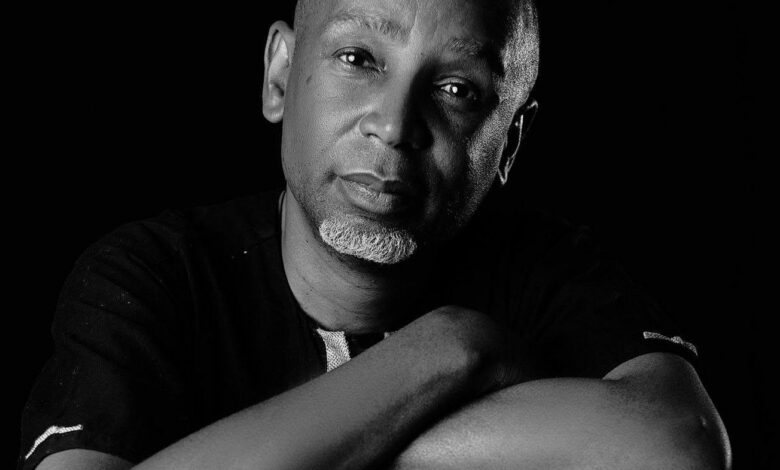
Zimbabwean music producer Clive “Mono” Mukundu has dramatically escalated his public dispute with gospel singer Fungisai Zvakavapano-Mashavave after questioning her memory over their long history of working together. Mukundu suggested that Fungisai may be suffering from dementia after she challenged his claims about his contribution to her music catalogue. The allegation has added a deeply personal dimension to an already heated disagreement involving music production credits, cover bands and the commercial use of artists’ songs and identities. Both musicians have put forward sharply different accounts of their professional relationship, with the dispute now playing out publicly on social media and through media statements. The controversy has also opened a wider conversation about how Zimbabwean musicians receive credit, royalties and protection when their work is performed commercially by other artists.
Mukundu told Zimpapers Arts Hub that his working relationship with Fungisai dates back to January 7, 2001, when they recorded “Tinokutendaishe Volume 1”, an album that included the popular song “Vanogona Mwari”. He said the pair later recorded “Toite Zvedenga” on February 7, 2002, before working together on approximately five or six additional albums. According to the producer, the projects generated several successful songs and established a significant professional relationship between the two artists. Mukundu also said they worked together during live performances between 2001 and 2005, further supporting his claim that their collaboration extended well beyond isolated studio sessions. He added that their most recent collaboration came in 2023, when he produced Fungisai’s song “Vana Vapera”, featuring Silent Killer, at his studio.
The producer used this history to challenge Fungisai’s position on his involvement in her catalogue. Mukundu said the history between them was well documented and questioned how someone could dispute a professional relationship that he believes can be supported by dates and recordings. He then made the controversial claim that forgetting such a history could be linked to dementia, while adding that people should pray for Fungisai’s recovery. The statement has become one of the most serious aspects of the dispute because it moves the disagreement away from music credits and into an allegation about another person’s health. There is no indication in the information provided that Fungisai has been medically diagnosed with dementia, so Mukundu’s statement should be understood as an allegation made during the public feud rather than an established medical fact.
Fungisai, meanwhile, has insisted that music production credits should be established through documented evidence rather than personal recollections shared many years after the recordings were made. She argued that production information is a matter of record and pointed to album sleeves as an important source of evidence when determining who was officially credited. Her comments appear to challenge claims that individuals involved in a recording or live performance can later describe themselves as producers without corresponding documentation. Fungisai also accused unnamed people in the industry of taking credit for work performed by others and described some industry figures as being overly focused on attention and recognition. She further distinguished between being a producer and being a hired session musician who learns and recreates arrangements that have already been developed for the purpose of establishing a live band.
The dispute became even more complicated when Fungisai addressed the wider issue of cover bands and the way established musicians’ identities can be used commercially. She alleged that performers were copying not only her songs but also elements such as her clothing, dance routines and mannerisms. Fungisai claimed that a leading bank had hired performers who resembled her and questioned whether such activity went beyond the normal practice of performing another artist’s songs. She referred to Zimbabwe’s Copyright and Neighbouring Rights Act, Competition Act and the legal concept of passing off while raising concerns about whether existing laws adequately protect musicians from commercial replication of their creative identities. Her argument suggests that the dispute is not simply about whether another band can perform a song, but also about where the law draws the line when an artist’s broader identity becomes part of a commercial performance.
The controversy has brought The Intotal Band into the centre of the disagreement. Fungisai has been critical of what she views as the commercial copying of artists’ work and presentation, while Mukundu has defended The Intotal Band against criticism surrounding its performances. Mukundu said the band holds a Zimbabwe Music Rights Association licence and operates within the law. That position highlights one of the central issues facing the music industry, namely whether obtaining the appropriate licence is enough to settle every concern surrounding the commercial performance of another artist’s work. A licence may address certain copyright requirements, but questions about performance royalties, attribution, branding, image, choreography and other elements of an artist’s identity can create additional disputes.
Entertainment journalist Jonathan Mbiriyamveka has also weighed in on the controversy, noting that many musicians have opposed Intotal’s approach to performing cover versions. The issue has reportedly generated significant discussion on social media, reflecting the growing frustration among some musicians about how established catalogues are used by live entertainment groups. Cover bands play an important role in Zimbabwe’s entertainment sector because they provide live music at weddings, corporate events, festivals and other gatherings. At the same time, original artists and composers depend on their catalogues for recognition and income, creating a difficult balance between keeping the live music economy active and ensuring creators receive fair compensation. The dispute involving Fungisai and Mukundu has therefore become part of a much broader argument about the economics of Zimbabwe’s music industry.
Journalist Gabriel Manyati has framed the disagreement as an economic issue rather than simply a personal clash between two musicians. He argued that some cover groups can avoid the substantial costs associated with writing, recording, marketing and promoting original music while benefiting from songs that audiences already recognise. This creates an uneven commercial environment if original composers do not receive meaningful royalties when their work generates income elsewhere. Manyati pointed to complaints involving royalty payments, disputes around collective rights management and parliamentary scrutiny of organisations responsible for administering musicians’ rights. His argument suggests that the current dispute could expose deeper weaknesses in the systems designed to ensure that creators benefit financially when their music is commercially used.
The issue also raises important questions about the difference between copyright protection and the protection of an artist’s personal identity. Intellectual property lawyer Moses Nkomo has reportedly argued that Zimbabwean law does not clearly define the boundary between an ordinary cover performance and the commercial replication of an artist’s choreography, appearance, vocal mannerisms and stage identity. That distinction could become increasingly important as performers and brands use social media and live entertainment to reproduce recognisable aspects of successful artists. A band performing a song may fall within established copyright and licensing practices, while deliberately reproducing another performer’s distinctive appearance or stage persona could raise a different set of legal questions. Without clearer rules, disputes are likely to continue whenever artists believe their creative identity is being commercially exploited beyond the use of their music.
Fungisai has also made her own strong statements during the public exchange. In a Facebook post, she suggested that artists may previously have supported certain narratives out of kindness, but accused unnamed individuals of becoming consumed by what she described as lies, bitterness and hatred. She also referred to “classic Histrionic Personality Disorder”, although her statement did not amount to a clinical diagnosis. This is significant because both sides have moved beyond debating music credits and into statements about the character or mental state of the other party. Such claims can intensify an already difficult dispute and make it harder for the underlying questions about credits, royalties and commercial use to receive a clear resolution.
The allegations surrounding dementia should therefore be treated with particular caution. Dementia is a medical condition that requires professional assessment, and a disagreement over historical events or music credits cannot establish that someone has the condition. Mukundu’s statement reflects the seriousness of the disagreement from his perspective, but it does not provide medical evidence about Fungisai’s health. Likewise, Fungisai’s reference to a personality disorder should not be treated as a clinical assessment simply because it appeared in a public statement. The increasingly personal nature of the exchange risks overshadowing the legitimate industry questions that initially brought the artists into conflict.
Manyati has called for reforms that could help prevent similar disputes in the future. Among the proposals are clearer legislation, publicly accessible tariffs, digital tracking of songs performed commercially, independent audits of collecting societies and transparent royalty reports. Such measures could make it easier for musicians to determine when their music has been used, who performed it and whether the appropriate payments have been made. Better records could also reduce disagreements about who contributed to particular recordings, especially when collaborations took place decades ago and memories differ. Clearer documentation would give artists, producers, performers and rights organisations a stronger basis for resolving disputes without relying solely on public arguments.
The challenge for Zimbabwe’s music industry is finding a system that protects original creators without unnecessarily restricting cover bands and other performers who depend on popular music for their livelihoods. Cover bands provide employment and entertainment while also helping keep older songs alive for new audiences. However, original musicians need confidence that their compositions, recordings, performances and identities will not be commercially exploited without appropriate recognition or compensation. Transparent licensing, accurate credits and reliable royalty collection could help establish clearer boundaries between legitimate cover performances and activities that go further. The current dispute demonstrates why those boundaries matter to both established artists and the wider entertainment economy.
The public feud between Clive “Mono” Mukundu and Fungisai Zvakavapano-Mashavave has therefore grown into more than a disagreement about who contributed to particular songs. Mukundu has pointed to a long history of collaboration and provided specific dates and projects to support his account, while Fungisai has insisted that official documentation should determine production credits. Their conflicting positions have exposed unresolved questions about music credits, cover performances, royalties and the commercial use of artists’ identities. The personal allegations exchanged along the way have made the dispute more explosive, but they should not obscure the need for evidence-based discussion about the underlying industry problems. As the controversy continues, proper documentation, transparent rights management and clearer legal protections could prove more useful than further personal accusations in determining where responsibility and credit ultimately belong.