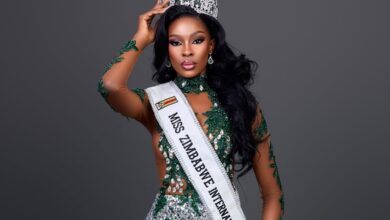
Gospel DJ Unlocked Faces Backlash Over Bullying Allegations in Gospel Industry

Gospel DJ Unlocked, whose real name is Fungai Lee Kampira, has found herself at the center of a growing controversy that is shaking the gospel music community. The UK based Zimbabwean DJ is facing serious accusations of bullying and disrespect toward fellow gospel artists. The situation has escalated quickly, drawing strong reactions from musicians, producers, and fans alike. What began as a single online comment has now turned into a wider debate about accountability and respect within the industry. Many are now questioning her conduct and the impact it may have on her reputation and career moving forward.
The controversy started shortly after Joyful Praise Choir won the Best Group award at the National Arts Merit Awards. Instead of congratulating the group, Gospel DJ Unlocked took to social media and criticized them harshly. She referred to the choir as “wolves in sheep’s clothing,” a statement that immediately drew attention and backlash. Many within the gospel community felt that her words were not only disrespectful but also damaging to the spirit of unity that gospel music represents. The timing of the comments also raised concerns, as the choir had just achieved a significant milestone in their career.
The reaction from the gospel industry has been swift and intense. Several artists have publicly distanced themselves from Gospel DJ Unlocked, making it clear that they no longer want to be associated with her platform. Some musicians have gone as far as demanding that she stop playing their music or mentioning their names in her work. These responses highlight the seriousness of the situation and the level of frustration among artists. Industry insiders believe that this kind of public fallout can have long term consequences, especially in a genre that values collaboration and mutual respect.
Critics have also accused the DJ of acting out of jealousy and seeking attention through controversy. Some producers and insiders claim that her attacks are targeted at successful artists who are currently gaining recognition and awards. They argue that such behavior undermines the credibility of her platform and damages trust within the community. Others believe that her actions reflect a deeper issue of competition and insecurity within the gospel music space. Regardless of the motive, the public perception is shifting, and many are now viewing her actions as harmful rather than constructive.
Supporters of the affected artists have echoed similar sentiments, calling for accountability and professionalism. Many fans have expressed disappointment, stating that gospel music should promote positivity, encouragement, and spiritual growth. The idea of public criticism, especially in a harsh and personal manner, contradicts the values that the genre stands for. As a result, the backlash has extended beyond industry professionals to include a wider audience that expects higher standards from public figures in gospel music.
This situation serves as a reminder of how quickly public opinion can turn in the digital age. One statement can trigger widespread reaction and have lasting consequences on a person’s career. For Gospel DJ Unlocked, the path forward will depend on how she responds to the criticism and whether she takes steps to repair relationships within the industry. The gospel community is closely watching, and the outcome of this controversy may shape future conversations about respect, accountability, and unity in the music space.