Long John Says Legal Battle with Lebo M Narrows to Trademark Dispute After Several Claims Are Withdrawn
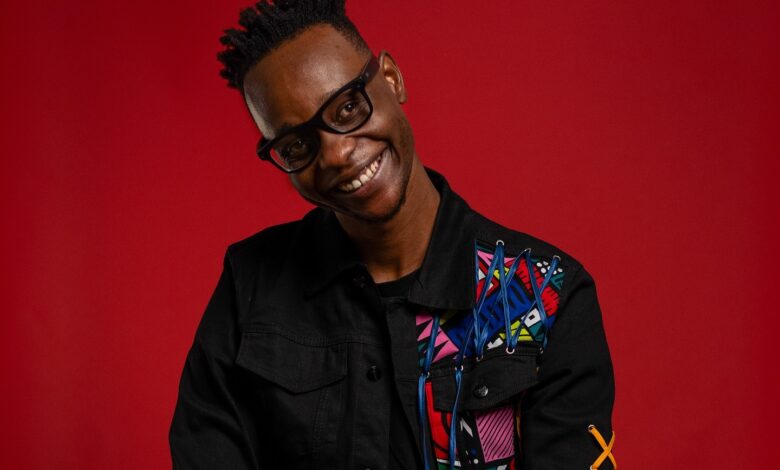
US-based Zimbabwean comedian and social media personality Learnmore Jonasi, widely known as Long John, has shared a significant update regarding his ongoing legal battle with renowned producer and composer Lebo M. According to the comedian, the lawsuit has taken a new direction after several of the original claims filed against him were withdrawn. The latest development changes the focus of the case and narrows the legal issues that will now be considered by the court. Long John announced the news on social media, where he explained that his legal team had informed him of an amended complaint submitted by Lebo M. The comedian described the development as an important turning point in a dispute that has attracted considerable attention from supporters of both entertainment figures.
The lawsuit originally included several state law claims, but Long John said those allegations have now been removed from the amended complaint. According to his statement, the withdrawn claims include accusations of defamation, trade libel and intentional interference with economic advantage. Their removal means the legal proceedings will no longer revolve around those issues and will instead concentrate on a more specific legal question. While the withdrawal of certain claims does not end the case, it significantly changes its scope and the arguments expected to be presented before the court. For Long John and his legal team, the revised complaint represents a new phase in the dispute that they believe will allow the remaining issues to be addressed more directly.
The comedian explained that the lawsuit is now focused entirely on federal trademark claims relating to the phrase “It’s a Lion.” According to Long John, the central legal question is whether Lebo M has trademark rights over the phrase and whether those rights can be enforced in the circumstances surrounding the dispute. He also noted that another important issue is whether any trademark protections would outweigh his constitutional rights to freedom of expression under the First Amendment of the United States Constitution. These legal questions move the case beyond personal allegations and place greater emphasis on intellectual property law and constitutional protections. The outcome could therefore have broader implications for how trademarks interact with creative expression, particularly within comedy and entertainment.
Although Long John admitted that he was surprised by the latest direction of the lawsuit, he made it clear that he respects the legal process and is prepared to allow the courts to determine the matter. He stated that while the changes were unexpected, he would wait for the judicial system to examine the evidence and reach a decision based on the law. His comments reflected a measured approach, avoiding direct attacks while expressing confidence that the remaining legal issues would receive fair consideration. Public legal disputes often evolve as new filings are made, and amended complaints are a normal part of civil litigation. The comedian’s latest statement suggests that he remains focused on presenting his defense rather than engaging in public confrontation.
Long John also reaffirmed that his content has always been created within the context of comedy and satire. He emphasized that audiences familiar with his work understand the humorous style that defines his online presence and performances. According to the comedian, his material has never been intended as a malicious personal attack but rather as entertainment designed to make people laugh. Comedy has long relied on exaggeration, parody and satire as creative tools, making context an important consideration when evaluating such content. By highlighting the nature of his work, Long John is reinforcing one of the central themes of his defense as the case continues.
The comedian further revealed that his legal team believes the remaining trademark claims lack merit and intends to challenge them in court. He said his lawyers will be filing a motion to dismiss the outstanding claims, expressing confidence that the legal arguments surrounding free expression will ultimately support his position. According to Long John, the complete context of his work should be considered rather than isolated phrases or individual pieces of content. His confidence reflects the belief that constitutional protections for artistic and comedic expression remain strong under American law. The planned legal filings will likely determine whether the case proceeds to later stages or is resolved before reaching trial.
The dispute has generated considerable interest because it involves two well-known figures with established reputations in the entertainment industry. Lebo M is internationally recognized for his work as a producer, composer and performer, while Long John has built a loyal audience through comedy, social media content and live performances. Cases involving public figures often attract widespread attention because they raise questions that extend beyond the individuals directly involved. In this instance, issues relating to trademarks, intellectual property and freedom of expression have become central to public discussion. The legal proceedings are therefore being followed not only by fans but also by those interested in entertainment law and digital content creation.
The case also highlights the increasing legal challenges that can arise in the age of social media, where creative content spreads rapidly across multiple platforms and reaches global audiences within minutes. As comedians, influencers and entertainers continue to build careers online, questions surrounding intellectual property rights and creative freedom are becoming more common. Courts are increasingly asked to balance trademark protections with constitutional rights while considering the context in which content is created and shared. The outcome of such disputes can influence how creators approach their work and how rights holders seek to protect their brands. Although every case is decided on its own facts, the legal principles involved often attract broader interest within the creative industry.
As the lawsuit moves forward, the attention will now focus on the trademark issues that remain before the court. With the original state law claims no longer part of the case, both parties are expected to present arguments centered on intellectual property rights and the limits of protected expression. Long John has maintained that his work is rooted in comedy and satire, while expressing confidence that his legal team will successfully challenge the remaining allegations. The courts will ultimately determine how trademark law applies to the disputed phrase and whether constitutional protections support the comedian’s position. Until that decision is reached, the case remains an important example of how modern entertainment, social media and intellectual property law continue to intersect in an increasingly digital world.