Rapper M.G Hkh Calls for Greater Global Representation of Shona Music Through New Release “Sadza Rakashisha”
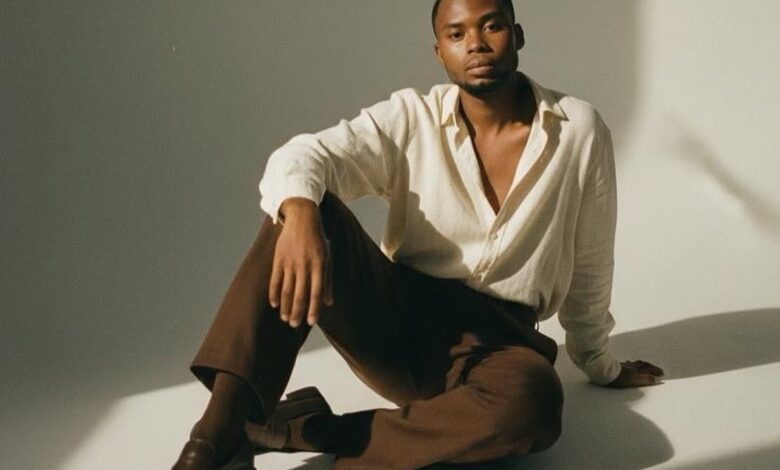
Rapper M.G Hkh has raised concerns about the limited global representation of Shona music, arguing that Zimbabwean sounds are still underexposed on the international stage. Born Prince Peter Moyo, the artist believes local stories and languages deserve stronger visibility in mainstream global music markets. His comments come as he prepares to release his new single “Sadza Rakashisha,” a track he sees as both a cultural statement and a musical milestone. The release is set to premiere through V13 Media, giving it an international platform from the start. The artist has positioned this moment as part of a wider push to reshape how Zimbabwean music is received globally. His message centers on identity, authenticity and cultural ownership.
M.G Hkh has built his career around a fusion style he describes as Soulful Shona-Trap, also referred to as Zim-Trap-Soul. This sound blends emotional trap production with Shona lyrical expression and storytelling rooted in everyday Zimbabwean life. He believes this combination gives local audiences something familiar while also creating space for international listeners to connect with African narratives. The upcoming track “Sadza Rakashisha,” produced with CrashDummy, continues this approach by focusing on lived experience, resilience and ambition. The artist has kept most details of the song private ahead of release, but has confirmed that its message reflects struggles faced by many people. He uses music as a way to document reality while still offering hope and motivation.
Since entering the music industry in 2019, M.G Hkh has steadily developed a catalogue that reflects emotional depth and personal growth. His debut album “Pray Hard,” released in 2020, introduced themes of faith, persistence and self-development that still define his artistic direction today. He draws influence from global artists such as Rod Wave and Fridayy, particularly in how they combine vulnerability with modern production styles. This influence has helped him shape a sound that is both contemporary and rooted in cultural identity. His growing recognition includes participation in Fridayy’s Proud of Me Open Verse Challenge in 2025, which expanded his exposure beyond Zimbabwe. These experiences have helped position him as part of a new generation of African artists engaging with global digital platforms.
The artist has also maintained a balance between music and professional work outside the entertainment industry. He is a qualified Class 3 Automobile Electrician and recently relocated to Masvingo to complete official trade testing. This dual path reflects his focus on technical skill and creative discipline at the same time. He often highlights the importance of stability while pursuing artistic growth in a competitive industry. His approach shows how independent artists manage multiple responsibilities while building long-term careers. It also reflects the reality of many emerging musicians who operate without major label backing.
Beyond his music, M.G Hkh has become vocal about issues affecting the music industry in Zimbabwe, particularly royalty collection and distribution systems. He argues that many artists do not fully benefit from their work due to limited transparency in reporting and payment structures. He encourages fellow musicians to adopt digital tools that track streaming data, airplay and metadata accuracy. Platforms such as Spotify for Artists, Apple Music for Artists and Musixmatch Pro form part of his own independent infrastructure. These tools allow him to monitor performance in real time and make informed decisions about his releases. His advocacy highlights the growing importance of digital literacy in modern music careers.
The release of “Sadza Rakashisha” comes at a time when discussions about African representation in global music are becoming more prominent. M.G Hkh sees this moment as an opportunity to push Shona music further into international conversations. He believes authentic storytelling in local languages can compete on global platforms when supported by strong production and strategic distribution. His work continues to build a bridge between Zimbabwean cultural identity and global trap-influenced sounds. As he prepares for the release, his message remains clear, Shona music deserves wider recognition and stronger representation.