RROZ Steps In to Cover Medical Bills for Hospitalised Poet Abel Mauchi, Sparking Debate on Artist Welfare in Zimbabwe
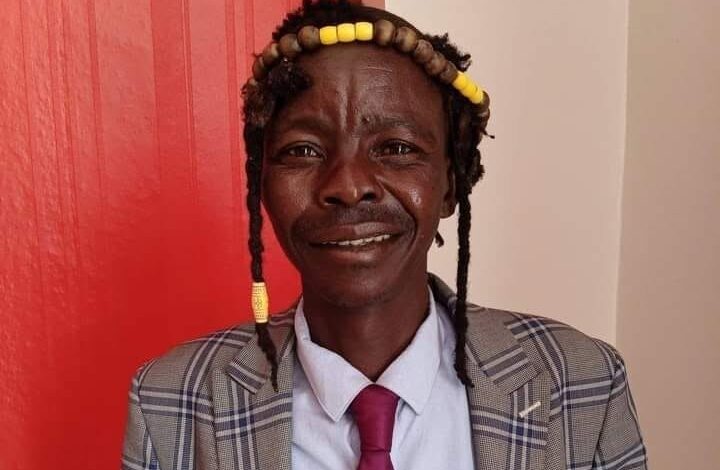
The Reprographic Rights Organisation of Zimbabwe (RROZ) has provided urgent financial support to well-known Zimbabwean poet Abel Mauchi, who was recently admitted to Masvingo General Hospital after collapsing on Wednesday. The intervention has drawn attention from across the country, with many in the arts sector expressing relief and concern for the poet’s condition. RROZ has committed to covering all medical expenses linked to his treatment until he makes a full recovery. The decision has been welcomed by his family, who said they were unable to cope with the rising costs of hospital care. The case has also reignited discussion about the welfare and protection of artists in Zimbabwe.
RROZ Chief Executive Officer Anthony Rimau confirmed the organisation’s involvement after visiting Mauchi in hospital. He stated that the organisation has taken responsibility for covering medical costs, including tests and X-rays needed to determine the cause of the poet’s illness. Rimau also emphasised that RROZ is not only focused on collecting and distributing royalties but also on supporting the wellbeing of its members. This intervention highlights a broader role that collective management organisations can play in supporting creatives beyond financial administration. It also demonstrates how urgent welfare needs can arise unexpectedly within the creative community.
The Reprographic Rights Organisation of Zimbabwe operates as a government-approved collective management organisation responsible for administering reprographic rights in the country. It is licensed under the Copyright and Neighbouring Rights Act and works to ensure that authors and publishers receive fair compensation when their works are reproduced. The organisation issues licences to copy shops, libraries and educational institutions that reproduce copyrighted materials. It then collects royalties on behalf of rights holders and distributes them according to established systems. Beyond its administrative role, RROZ also aims to reduce piracy and protect intellectual property within Zimbabwe’s literary sector.
Family members of Abel Mauchi have expressed deep gratitude for the organisation’s swift response during a difficult time. His brother, Abraham Mauchi, confirmed that the family had no financial capacity to manage the escalating hospital expenses. He said the intervention by RROZ came at a critical moment and provided immediate relief. The support has allowed medical staff to carry out necessary tests without delay. For the family, the assistance has turned a period of uncertainty into one where proper medical attention can now be prioritised.
Mauchi, also known by his pen name ‘Shefu Mudhesve’, is a respected figure in Zimbabwe’s poetry landscape with a long and prolific career. He began writing poetry in 1992 while living in Chitungwiza Seke Unit N and has since produced thousands of poems. Reports suggest he has written more than four thousand poems and can recite over a thousand from memory. His work has been widely performed at cultural events across the country, earning him recognition as a powerful voice in Zimbabwean literature. Despite his talent and output, he has frequently raised concerns about lack of fair compensation and recognition.
Over the years, Mauchi has spoken openly about exploitation within the creative industry, particularly involving promoters, politicians and digital content creators. He has claimed that his work and talent have often been used for promotional purposes without fair payment or support. These experiences have contributed to his public frustration about the treatment of artists in Zimbabwe. His situation reflects broader concerns within the arts sector, where many creators struggle to earn sustainable incomes despite their cultural contributions. The current health crisis has therefore brought renewed attention to these long-standing issues.
Mauchi’s health challenges are not new, as he has faced serious medical conditions in the past. In 2021, he sought public assistance after suffering a condition that caused him to vomit blood, an episode that raised concern among his supporters. There were also false reports circulating on social media at the time claiming he had died, further highlighting the vulnerability of artists in times of crisis. More recently, he experienced personal tragedy with the death of his wife, Lucia Chirume, in February 2026. These events have added emotional and financial strain to his life.
The situation has once again highlighted the fragile state of welfare support for artists in Zimbabwe. While Mauchi is a widely recognised poet with a significant body of work, his circumstances reflect the reality faced by many creatives who lack financial security. Observers say his struggles point to systemic gaps in how artists are supported, especially during illness or personal hardship. In many cases, support only comes through emergency interventions rather than structured long-term systems. This raises questions about sustainability and responsibility within the cultural sector.
RROZ’s intervention has been widely seen as a positive step, but it has also sparked debate about whether such support should be institutionalised across the creative industry. Many believe that stronger frameworks are needed to ensure that artists are protected not only through royalties but also through welfare systems that address emergencies. The case has drawn attention to the need for better recognition of cultural contributors who often work without financial stability. It also highlights the importance of collective responsibility in safeguarding the wellbeing of creatives. As Mauchi continues treatment, his story has become a reminder of both artistic value and vulnerability.
The support extended to Abel Mauchi by RROZ may represent an important moment for artist welfare in Zimbabwe, but it also exposes deeper structural challenges within the industry. While the immediate assistance provides relief, long-term solutions remain necessary to prevent similar crises in the future. Mauchi’s condition and history underline the need for consistent protection mechanisms for artists who contribute significantly to national culture. His story has resonated widely because it reflects both achievement and struggle within the same life journey. As he receives care in Masvingo, the broader arts community continues to reflect on how best to protect those who shape Zimbabwe’s literary and cultural identity.