Winky D’s ‘Big Party’ EP Reaffirms His Creative Power and Cultural Influence in Zimbabwean Music
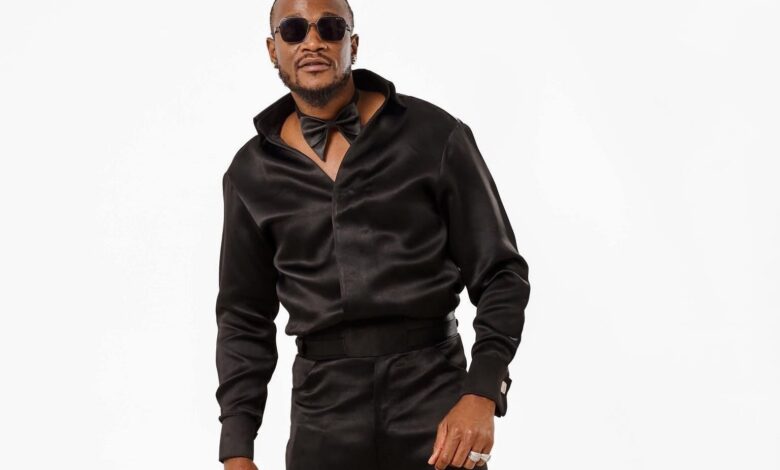
At a moment when questions often surface about the longevity of established artists, Winky D has once again forced the conversation to shift. The Zimbabwean chanter, born Wallace Chirumiko, has returned with a new EP titled Big Party that reasserts his position as one of the most influential voices in the country’s music landscape. The project arrives with a mix of anticipation, debate and renewed admiration from fans who continue to follow his evolving sound. It also demonstrates his ability to balance entertainment with sharp social observation in a way few artists manage consistently. The EP shows that he remains active, relevant and deeply connected to both street culture and national dialogue.
The release strategy for Big Party played a major role in building anticipation before the full project dropped. Winky D maintained a level of secrecy that is now familiar to his audience, revealing little until the final moments before release. He later introduced short teasers that quickly circulated across social media platforms, sparking intense discussion among fans and critics. One teaser for One Big Party highlighted a celebratory direction, while another for Chivanhu hinted at deeper cultural and political themes. The use of artificial intelligence generated visuals in the previews intensified speculation and pushed conversations into wider public spaces. As a result, the EP became a topic of national debate even before listeners had access to the full tracklist.
Much of the early reaction centered on assumptions about the meaning behind Chivanhu, with interpretations spreading rapidly across digital platforms. Some audiences linked the teaser to political messaging, while others reacted emotionally and called for restrictions before the song was even released. The discussion reflected how Winky D’s work often exists at the intersection of music and social commentary. When the EP was finally released, Chivanhu revealed itself as a reflection on declining cultural values rather than the political narratives many had assumed. This shift in interpretation highlighted how quickly meaning can be shaped and reshaped in the digital era. It also showed Winky D’s ability to challenge expectations without losing artistic clarity.
Responses from public figures added further depth to the conversation surrounding the EP. Zanu PF National Youth Deputy PC Youth League expressed admiration for Winky D’s artistic reach, describing him as a voice that speaks across generational and social gaps. His remarks emphasized the unifying effect of the music despite differing interpretations of its themes. Journalist and filmmaker Hopewell Chin’ono also publicly acknowledged the project, praising its ability to stimulate thought and encourage reflection. These reactions demonstrated that the EP resonated beyond entertainment circles and entered broader cultural discussions. The diversity of responses highlighted Winky D’s continued relevance across different segments of society.
Musically, Big Party presents a layered listening experience that caters to multiple audiences. The track X Pana X offers a slow and emotional tone that explores heartbreak and the difficulty of moving on after failed relationships. It focuses on emotional conflict and the lingering desire for reconciliation, themes that connect strongly with listeners who appreciate reflective storytelling. In contrast, One Big Party delivers a high-energy sound designed for dance floors and social celebrations. The track is already being positioned as a potential anthem for the coming year, driven by its rhythm and accessible hook. Together, these songs demonstrate the EP’s ability to shift between mood and message without losing cohesion.
Another notable feature of the project is the inclusion of 2 Nhanho, a track that revisits the early sound that first defined Winky D’s rise in the dancehall scene. The production carries elements that long-time fans will recognize from his earlier work, creating a sense of nostalgia within the EP. This return to familiar sonic territory strengthens his connection with listeners who have followed his journey from the beginning. It also shows that while his style continues to evolve, he remains grounded in the foundation that built his career. This balance between innovation and tradition gives the EP its emotional range and replay value.
The visual presentation of the project adds another dimension through the use of artificial intelligence generated videos for Chivanhu and Makanyanya. These visuals combine digital creativity with live performance aesthetics, creating a hybrid format that reflects modern music consumption trends. The integration of AI into storytelling suggests new possibilities for how Zimbabwean artists can expand their creative output. It also raises questions about how technology can support rather than replace traditional artistic expression. In this case, the visuals enhance the music rather than overshadow it, adding depth to the overall experience.
Big Party ultimately reinforces Winky D’s reputation as an artist who continues to shape both sound and conversation in Zimbabwean music. His ability to merge social commentary with entertainment ensures that his work remains relevant across different audiences. The EP demonstrates that he still commands attention through both strategy and substance. It also highlights how he continues to influence debates around culture, identity and artistic expression. As listeners engage with the project, it becomes clear that Winky D remains a central figure in defining the direction of contemporary Zimbabwean music.