Cont Mhlanga’s The Members Returns With Renewed Power as Zimbabwe Reflects on Leadership and Accountability
Twenty-eight years after the late Cont Mhlanga first staged The Members in Bulawayo and Harare, the play continues to stand out as one of Zimbabwe’s most enduring theatrical works. Its message about leadership, accountability and public service remains relevant in today’s political and social environment. The production has resurfaced at a time when national conversations increasingly focus on service delivery and the responsibility of elected officials. Audiences continue to find strong parallels between the play’s storyline and real experiences in communities across the country. This lasting relevance shows how theatre can capture social realities that remain unchanged over decades.
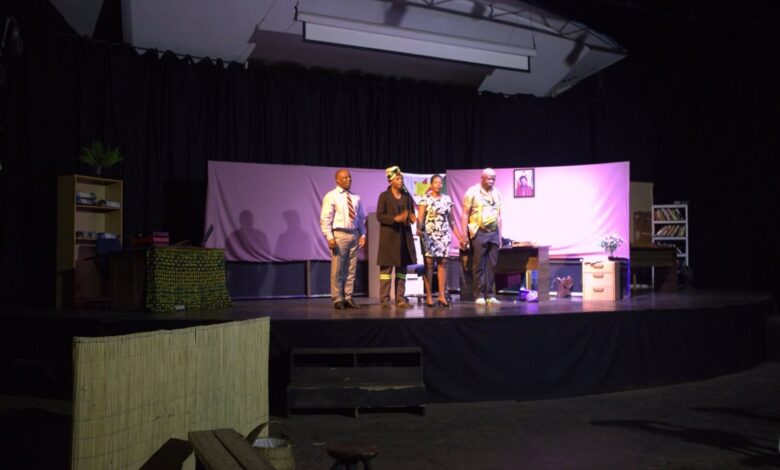
The Members recently returned to the stage at Theatre in the Park in Harare Gardens, where it drew strong audience engagement and reflection. The performance combined humour, satire and strong character delivery to bring the story back to life in a modern setting. The cast included experienced performers such as Daves Guzha, Memory Kumbota, Eunice Tava and Zenzo Nyathi, each contributing depth to the production. Their performances created a balance between entertainment and serious social commentary that resonated with theatre lovers. The staging reminded audiences that the issues raised in the original production are still present in many communities today.
The revival of the play also highlights the continued influence of Cont Mhlanga’s artistic vision even years after his passing. Mhlanga was widely recognised as a pioneer of theatre for development in Zimbabwe, using drama as a tool to raise awareness about governance and civic responsibility. His work often challenged both leaders and citizens to reflect on their roles in shaping society. The Members stands as one of his most powerful creations, focusing on the gap between elected officials and the people they serve. The current revival reinforces his legacy and keeps his message active in public discourse.
At the centre of the play is the character of MP Mujaji, played by Daves Guzha, who represents an arrogant and detached politician. Mujaji rarely visits his constituency and prefers the comfort of city life while neglecting the needs of the people who elected him. His behaviour reflects a wider issue of absentee leadership that many communities have experienced over time. Zenzo Nyathi’s character, an elderly villager, repeatedly tries to engage the MP but is ignored for months. This frustration builds a powerful narrative about the consequences of political disengagement and broken trust between leaders and citizens.
The play uses the issue of water access as a key symbol of neglected service delivery. Villagers struggle without reliable water supply while their representative fails to intervene or respond to their needs. In contrast, real-life government programmes such as the Presidential Borehole Drilling Scheme have aimed to improve access to clean water in rural areas. The contrast between fiction and reality deepens the play’s message about responsibility and initiative. When the community in the play eventually organises itself and completes a water project without the MP, it highlights the power of collective action in the absence of leadership.
A turning point in the story comes when MP Mujaji attempts to claim credit for a project he did not support or contribute to. This moment exposes the theme of political opportunism and the tendency of some leaders to associate themselves with success only after it has been achieved by others. When elections return, the community rejects him at the ballot box, reflecting a demand for accountability and genuine service. The outcome reinforces the message that leadership must be earned through consistent engagement and action. It also mirrors growing public expectations around performance-based political representation.
The production also reflects the importance of institutional support for development through structures like the Constituency Development Fund. The play indirectly raises questions about how such resources are used and whether they truly benefit communities. It encourages reflection on how public funds can be better managed to address real needs rather than political interests. This theme connects strongly with ongoing discussions about governance and resource allocation in many parts of Zimbabwe. The relevance of these issues has helped The Members remain a powerful educational and cultural tool.
The revival of the play also serves as a tribute to Cont Mhlanga’s broader contribution to Zimbabwean theatre and social commentary. His work at Amakhosi Theatre helped nurture generations of actors, directors and writers who continue to shape the creative industry. Actors such as Zenzo Nyathi, Eunice Tava, Memory Kumbota and Daves Guzha bring both experience and continuity to the production. Their involvement strengthens the link between past and present interpretations of the play’s message. The upcoming national tour, starting with Bulawayo, is expected to further extend its reach and impact.
The Members continues to stand as a reminder that theatre can reflect society with striking accuracy even decades later. Its themes of accountability, neglect and civic responsibility remain visible in everyday life, giving the production renewed relevance in modern Zimbabwe. The play challenges both leaders and citizens to reflect on their roles in shaping development and governance outcomes. As audiences continue to engage with its message, the legacy of Cont Mhlanga remains firmly alive through performance and storytelling. The enduring strength of the production lies in its ability to connect past concerns with present realities in a way that still feels urgent today.