International Images Film Festival for Women 2026 Set to Spotlight Women’s Stories and Strengthen Zimbabwe’s Film Industry
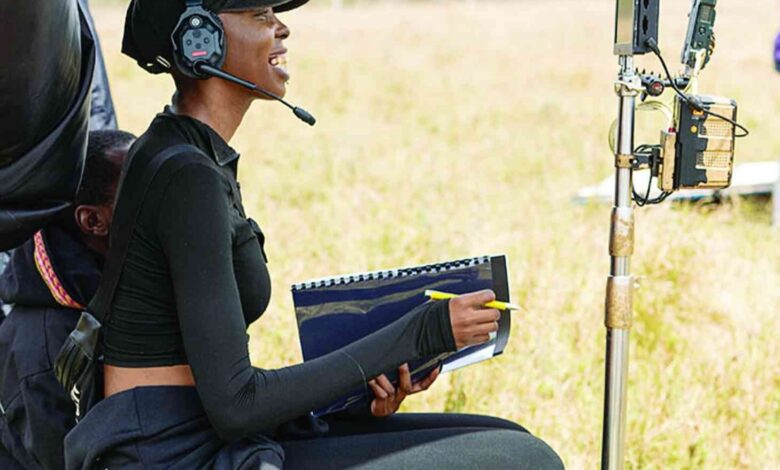
Zimbabwe’s premier women-focused film festival, the International Images Film Festival for Women (IIFF), is set to return from August 28 to 30 with an expanded programme aimed at celebrating women’s stories, promoting industry growth and creating meaningful conversations through cinema. Over the years, the festival has established itself as one of the most important cultural events on Zimbabwe’s arts calendar, providing a platform where filmmakers, audiences and industry stakeholders can engage with stories that reflect the experiences, challenges and achievements of women. This year’s edition promises to build on that legacy by bringing together filmmakers, students, industry professionals and film enthusiasts from Zimbabwe and beyond. Under the theme Women in Focus, the festival will continue its mission of highlighting women as active participants in social transformation and development. The event is expected to attract significant interest from both local and international audiences eager to experience diverse and compelling storytelling.
Organised by the Institute of Creative Arts for Progress in Africa (ICAPA Trust), the festival will showcase a wide range of feature films, documentaries and short films from Zimbabwe, across Africa and around the world. The carefully curated programme aims to present stories that challenge stereotypes, celebrate resilience and encourage discussions about gender equality and empowerment. Acting festival director Molleen Chisveto explained that the festival remains committed to creating an environment where cinema becomes a tool for education, advocacy and social change. According to Chisveto, IIFF is designed to be more than just an entertainment platform. It is a space where important issues can be explored through film while inspiring audiences to reflect on different perspectives and experiences. This approach has helped the festival maintain its relevance and influence within Zimbabwe’s cultural landscape.
Founded in 2002 by acclaimed Zimbabwean filmmaker and author Tsitsi Dangarembga, the International Images Film Festival for Women has grown into one of Africa’s leading platforms dedicated to women-centred cinema. Since its inception, the festival has played a significant role in promoting inclusive storytelling and creating opportunities for women within the film industry. It has consistently supported filmmakers by providing visibility for their work and facilitating professional development opportunities. Through its various initiatives, the festival has helped nurture talent while encouraging greater participation of women in different areas of filmmaking. Its continued growth reflects the increasing recognition of the importance of diverse voices and perspectives within the global film industry.
One of the key features of this year’s edition is its increased focus on audience engagement and industry participation. Organisers have planned a series of masterclasses, filmmaker conversations, networking sessions, question-and-answer forums and post-screening discussions. These activities are designed to provide valuable learning opportunities for aspiring filmmakers while encouraging meaningful interaction between audiences and industry professionals. By creating spaces where knowledge and experiences can be shared, the festival hopes to contribute to the long-term development of Zimbabwe’s film sector. Such initiatives are particularly important for emerging creatives who are seeking guidance, mentorship and industry connections. The expanded programme demonstrates the festival’s commitment to supporting both artistic excellence and professional growth.
Supporting local talent remains a central objective of the International Images Film Festival for Women. Zimbabwean productions will be showcased alongside international films, giving local filmmakers an opportunity to present their work to broader audiences and engage with industry networks beyond the country’s borders. This exposure can play an important role in opening doors to collaborations, funding opportunities and distribution channels. Chisveto noted that one of the festival’s goals is to contribute to the growth of Zimbabwe’s creative industries by encouraging investment and demonstrating the value of film as a tool for advocacy and social transformation. By placing local stories on the same platform as international productions, the festival helps elevate Zimbabwean cinema while promoting cultural exchange and understanding.
The festival’s ability to combine international excellence with African and local storytelling has become one of its defining strengths. This balance allows Zimbabwean filmmakers to learn from global trends while remaining connected to stories that reflect local realities and experiences. Audiences also benefit from exposure to a diverse range of perspectives and filmmaking styles. Such exchanges help strengthen the cultural and artistic value of the festival while fostering a deeper appreciation for storytelling from different regions. The inclusion of both local and international content ensures that the event remains dynamic, relevant and enriching for all participants.
Like many cultural initiatives, organising a major film festival comes with its share of challenges. Funding limitations, technical requirements and audience development remain ongoing concerns for organisers. Despite these obstacles, ICAPA Trust has continued to deliver successful editions of the festival through strong partnerships and innovative programming. The support of cultural institutions, diplomatic missions, media organisations and private-sector partners has been instrumental in ensuring the event’s sustainability. These collaborations not only provide resources but also reinforce the festival’s mission of advancing opportunities for women in film and supporting the broader creative sector.
Another significant aspect of this year’s festival is its accessibility. Organisers have confirmed that attendance will be free of charge, making it possible for a wider range of people to participate. This approach aligns with the festival’s goal of encouraging greater public engagement with film and cultural discussions. Students, aspiring filmmakers, industry professionals and members of the public will all have the opportunity to experience high-quality cinema and participate in educational activities without financial barriers. While final venue details and the complete programme schedule will be announced closer to the event, anticipation is already building among film lovers and cultural enthusiasts.
Looking beyond 2026, organisers envision the International Images Film Festival for Women becoming an even stronger international platform for women’s storytelling. Plans include expanding partnerships, reaching new audiences and creating additional opportunities for women filmmakers across Africa and other regions. Such ambitions reflect the festival’s long-term commitment to fostering inclusivity, creativity and professional development within the film industry. As the event continues to grow, it is expected to play an increasingly important role in shaping conversations around gender representation and cultural storytelling. The festival’s success demonstrates the enduring power of cinema to connect people, challenge assumptions and inspire positive change.
The return of the International Images Film Festival for Women represents another important milestone for Zimbabwe’s cultural and creative sectors. Through its celebration of women’s stories, commitment to professional development and support for local talent, the festival continues to make a meaningful contribution to the growth of the film industry. By bringing together filmmakers, audiences and industry stakeholders, it creates opportunities for dialogue, learning and collaboration. As preparations continue for the August event, excitement is building around what promises to be three days of powerful storytelling, cultural exchange and creative inspiration. The festival remains a testament to the transformative role of women in cinema and the enduring impact of stories that reflect the diverse experiences of people around the world.