Mnakwethu Season 5 Sees the Return of Musa Mseleku as the Host
Mzansi Magic has announced the return of Mnakwethu for its fifth season. Over the years, the reality series has become one of the country’s most topical shows, driving conversations about love, marriage, culture and polygamy both on and off screen.
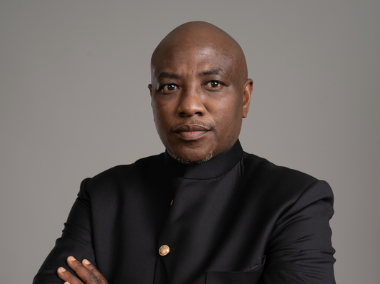
Hosted by Uthando neS’thembu star Musa Mseleku, Mnakwethu premieres on Tuesday, 7 July at 20:00, with new episodes airing every Tuesday. The series follows married men as they approach their wives with a life-changing request: permission to take a second wife.
The journey is rarely straightforward, emotions run high as families are forced to confront difficult questions about trust, commitment and the future of their relationships. Throughout the process, Musa, who has become the face of polygamy in South Africa, offers guidance and support as the couples navigate these deeply personal conversations. In some cases, he also facilitates introductions between the first wife and a prospective second wife.
At the centre of Mnakwethu are real people facing complex decisions that have the potential to change their lives forever. The series offers an intimate look at the realities of polygamy and the impact it has on everyone involved.
We recently caught up with Musa, who gave us the inside scoop on the new season, why people should watch and more.
What keeps bringing you back to Mnakwethu season after season?
Polygamy is here to stay because it has become a reality in many people’s day-to-day lives. Shows like Mnakwethu create an opportunity for us to have honest conversations about these realities.
Five seasons in, why do you think Mnakwethu continues to resonate with South Africans?
People in South Africa and around the world experience many of the same relationship challenges, whether they are in polygamous marriages or not. The emotions, family dynamics and life decisions featured on the show are relatable to many viewers.
What can viewers expect from Season 5?
Viewers can expect people to reveal their true selves. We see individuals from different backgrounds and cultures sharing their experiences and perspectives, which makes for a very interesting season.
How does this season differ from previous seasons?
This season stands out because different cultures are being showcased when it comes to polygamy. Viewers will get to see how different communities approach these relationships and the challenges that come with them.
After years of hosting the show, what have you learned about relationships and marriage?
I have learned that while people’s desires and goals may be similar, their reasons for wanting to be in a marriage or a polygamous relationship can be very different. Everyone’s journey is unique.
What are some of the biggest challenges men face when introducing the idea of polygamy to their wives?
Many men find it difficult to introduce the idea of taking another wife because society has practised monogamous marriage for a very long time. In many cases, wives do not fully understand their husband’s vision and people often judge these relationships based on affordability rather than the intentions behind them.
What has surprised you most about the couples featured this season?
I have been surprised by how both younger and older people aspire to pursue polygamous relationships. It shows that these conversations are relevant across different generations.
Many viewers have strong opinions about polygamy. What do you hope people take away from the show, regardless of where they stand on the issue?
As a polygamist myself, I hope the show gives people a better understanding of the realities of these relationships. I also hope it offers wives a sense of hope and respect, while acknowledging the concerns they may have about whether their own husbands would handle the situation in the same way.
What role do you play when emotions run high between the families involved?
My role is to listen, guide and help families communicate with one another. I try to create a space where everyone can express their feelings honestly and be heard, even when emotions are running high.
Have there been any moments this season that left a lasting impression on you?
I was touched by the fact that many men struggle to express their feelings openly, while some women find it difficult to accept their reasons and emotions. Those moments reminded me how important communication is in any relationship.
What are some of the common misconceptions people have about polygamous marriages?
One of the biggest misconceptions is that polygamy is a backward practice. I think some of the people who came before us did not always do justice to the concept, which has influenced how it is viewed today.
What qualities do you think are essential for any marriage to succeed, whether monogamous or polygamous?
Honesty is the most important quality. Good communication and understanding are also essential. Financial stability plays an important role, but it is equally important for both partners to understand what is realistically affordable and sustainable for their family.
Over the years, have you noticed any shifts in how South Africans are approaching conversations around marriage and polygamy?
Yes, I have seen a significant shift. People are not completely against polygamy in the way they once were. Today, the conversation is more focused on affordability and whether a person can provide security and stability for their family. Many women want reassurance that they will be cared for and supported.
How do you feel about being the man who popularised polygamy in South Africa?
I feel humbled and honoured to be associated with this conversation. It has not been an easy journey and there have been challenges along the way. We have made mistakes, but the vision has always remained the same, and I am grateful to have played a role in opening up these discussions.