Isaac Mpofu Reflects on Cape Town Marathon Performance and Calls for Higher Standards in Elite Racing
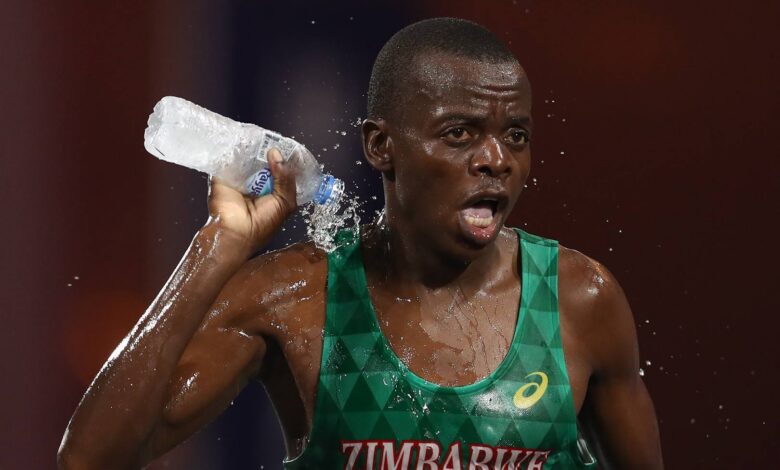
Zimbabwe’s leading long-distance runner Isaac Mpofu has admitted the need to raise his performance levels after missing his target at the Sanlam Cape Town Marathon in South Africa. The elite athlete finished 12th in a highly competitive field, clocking 2 hours 10 minutes 27 seconds in a race he had hoped would end inside the top 10. The marathon attracted some of the world’s strongest distance runners, making it one of the toughest races on the calendar. Mpofu described the event as a valuable learning experience, especially as it marked his first major race of the year. His reflection highlights both the growing global standards in marathon running and the pressure on African athletes to maintain elite consistency.
The race was won by Ethiopia’s Mohamed Esa, who delivered a record-breaking performance in 2 hours 4 minutes 55 seconds, improving on the previous course record set in 2024. His compatriot Yihunilign Adane secured second place in 2 hours 4 minutes 59 seconds, while Kenya’s Kalipus Lomwai completed the podium in 2 hours 5 minutes 26 seconds. The narrow time gaps among the top finishers showed just how competitive the field has become at elite level. Mpofu, despite finishing outside his target range, remained within a strong international pack that included world-class athletes. The results underline how small performance margins now separate podium finishers from the rest of the field.
For Isaac Mpofu, the Cape Town Marathon was not only about results but also about measuring himself against some of the best runners in the world. He openly acknowledged that marathon standards have risen significantly, requiring athletes to constantly improve their preparation and race strategy. Mpofu stated that he was satisfied with completing the race safely and gaining experience from competing in such a strong field. He emphasized that the event provided a realistic benchmark of where he currently stands in relation to global competition. His comments reflect a mindset focused on long term improvement rather than immediate results.
One of the most notable aspects of the race was the participation of marathon legend Eliud Kipchoge, who finished 16th in 2 hours 13 minutes 29 seconds. The race marked the beginning of Kipchoge’s World Tour initiative, which aims to complete marathons across different continents to inspire global participation in running. Mpofu expressed pride in sharing the course with Kipchoge for the third time, describing him as a major inspiration to athletes worldwide. The presence of such experienced competitors added prestige and intensity to the race environment. It also highlighted the growing global appeal of the Cape Town Marathon as a major athletics event.
Despite missing his top 10 goal, Isaac Mpofu remains focused on gradual progress as he builds toward future competitions. He has indicated that he is taking a step-by-step approach to his training and race planning, especially with the World Athletics Championships scheduled for next year in September. Rather than setting rigid targets, he now prioritizes recovery, consistency and financial stability. Mpofu explained that supporting his family remains a key motivation behind his running career. This practical focus shows how elite athletes often balance performance ambitions with personal responsibilities.
The women’s race also featured strong performances, with Zimbabwe’s Fortunate Chidzivo finishing 10th in 2 hours 42 minutes 09 seconds. The race was dominated by Ethiopian athletes, who claimed the top three positions in a tightly contested finish. Winner Dera Dida Yami crossed the line in 2 hours 23 minutes 18 seconds, followed closely by Mestawut Fikir and Waganesh Amare. Chidzivo’s performance stood out given the difficult circumstances she faced leading up to the event. Her preparation was disrupted after she was robbed on her way to the airport, losing her passport and personal belongings.
Despite the setback, Chidzivo managed to secure an emergency passport through swift assistance from officials in Zimbabwe, allowing her to travel and compete. She described finishing in the top 10 as a personal victory considering the challenges she endured in the days leading up to the race. Her experience highlights the resilience required of elite athletes who often compete under unpredictable conditions. It also reflects the logistical and personal challenges that can affect performance at international events. Her determination to still deliver a strong result adds depth to Zimbabwe’s representation at the marathon.
The Cape Town Marathon once again demonstrated the rising standards of global distance running, where winning times continue to improve and competition remains intense from start to finish. For athletes like Isaac Mpofu, the race serves as both a benchmark and a reminder of the work still required to compete at the very top level. While the result did not meet his personal expectations, the experience provides valuable insight for future preparation and strategy adjustments. His focus now shifts to recovery, training refinement and upcoming international opportunities. The broader message from the race is clear, elite marathon running continues to evolve, and staying competitive demands constant adaptation, discipline and resilience.