Zimbabwe Teenage Chess Stars Ready for Major FIDE Chess Olympiad Challenge
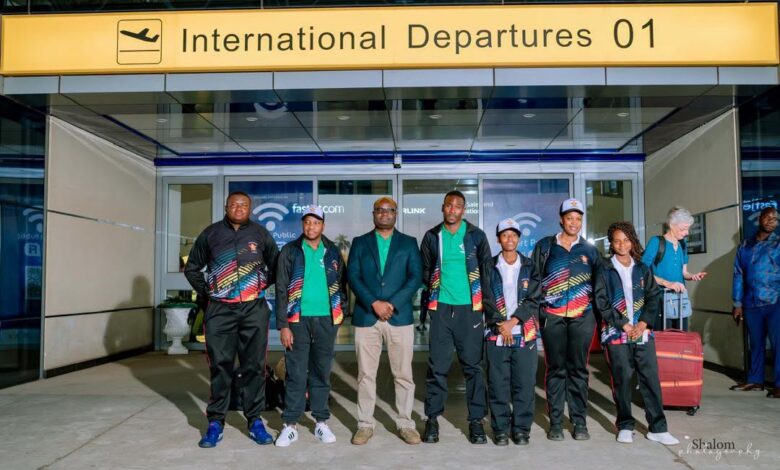
Zimbabwe’s teenage chess stars are preparing for the biggest international test of their young careers after earning places in the national teams travelling to Uzbekistan for the FIDE Chess Olympiad. The senior men’s and women’s teams departed Harare on Saturday for Samarkand, where they will compete from September 16 to 27 against some of the strongest chess-playing nations in the world. While Zimbabwe will be aiming to compete for medals, the tournament also provides an important platform for the country’s emerging players to gain experience against elite opposition. The inclusion of teenagers in both the national setup reflects the progress being made in developing young chess talent. For players such as 14-year-old Tehillah Makwiranzou and 17-year-old Carol Ndlovu, the tournament represents an opportunity to test their skills on one of the biggest stages in international chess.
Makwiranzou, who comes from Bulawayo, is the youngest member of Zimbabwe’s women’s team and will enter the competition with a determination to prove that age does not have to limit performance. The 14-year-old initially worried that her lack of experience could make her the weakest player in the team. However, her outlook has changed as she has prepared for the challenge and gained confidence from being selected. Facing experienced international players in Samarkand will give her an opportunity to assess how her skills compare with competitors from countries with strong chess development systems. Her participation also sends an important message to other young Zimbabweans who are considering taking up the sport.
Victoria Falls-based Ndlovu, 17, is another promising player who will gain valuable exposure during the Olympiad. She approaches the tournament with confidence and believes her age should not prevent her from competing against older and more experienced opponents. The rapid development of young chess players around the world has shown that teenagers can compete at a high level when they receive consistent training and opportunities. Ndlovu’s participation therefore represents more than personal achievement because it forms part of Zimbabwe’s broader effort to develop players who can compete internationally. The experience she gains in Samarkand could also help shape her progress in future national and international competitions.
Woman Candidate Master Kudzanayi Charinda believes Zimbabwe must continue investing in young players if the country wants to build a stronger chess system. She has emphasised the importance of introducing chess at grassroots level, particularly through schools where young players can develop their skills from an early age. This approach can help identify talented players earlier and give them more time to develop their understanding of the game. Charinda’s long-term vision is for Zimbabwean players to compete for international titles while they are still teenagers rather than waiting until they are much older. The inclusion of young players in the national teams at the Chess Olympiad demonstrates how this development approach can create opportunities for promising talent.
The presence of teenagers alongside experienced players also gives Zimbabwe’s young competitors access to valuable knowledge. The women’s team includes established players such as Charinda, Christine Makwena and Nomalungelo Mathe, while Tafadzwa Shanya Mullio will serve as team captain. Having experienced players around them can help the younger members manage the pressure associated with a major international tournament. They can also learn from the preparation methods, decision-making processes and match experience of their senior teammates. This combination of youth and experience could prove important as Zimbabwe faces opponents with deeper international experience and established chess programmes.
The men’s team will also depend on a mixture of established players and emerging talent as Zimbabwe begins its campaign in Samarkand. National champion FIDE Master Roy Mwadzura is one of the team’s most experienced members and will be making his third appearance at the Chess Olympiad. His previous international experience could be particularly valuable in helping the team deal with the intensity of a tournament involving players from around the world. Mwadzura has expressed confidence in his own ability and hopes to pass that confidence on to his teammates. His experience gives the men’s side a reliable presence as younger players prepare to face some of their toughest opponents to date.
Candidate Master Kudakwashe Sibanda, who will captain the men’s team, believes Zimbabwe has assembled a group capable of producing unexpected results. The team includes players who have already experienced the demands of the Olympiad as well as younger competitors who are eager to make their mark. That hunger could become an advantage when Zimbabwe faces higher-ranked teams that may underestimate the African side. Sibanda believes the combination of experience and ambition gives the team the potential to cause upsets. The confidence within the squad also reflects a growing belief that Zimbabwe can compete more strongly on the international chess stage.
The format of the Chess Olympiad will provide a demanding test for every member of the Zimbabwean delegation. The tournament will be played over 11 rounds using the Swiss system, meaning teams will face different opponents as the competition progresses based on their results. This structure requires players to remain focused throughout the tournament because a strong start can create difficult match-ups while a setback can increase the pressure in later rounds. Consistency will therefore be just as important as individual brilliance for Zimbabwe’s men and women. The ability of the experienced players to guide the younger members through the long competition could have a significant impact on the team’s overall performance.
Zimbabwe’s participation in Samarkand also highlights the wider importance of developing chess beyond elite competitions. Schools can play a major role in identifying young players, while clubs and national programmes can provide the training and competition needed to turn promising juniors into international competitors. The experiences of Makwiranzou and Ndlovu show what can happen when young players receive opportunities to compete at a higher level. Their presence in the national teams could inspire more teenagers to take up chess and pursue competitive opportunities. Over time, this could expand Zimbabwe’s pool of talented players and strengthen the national teams.
The immediate objective in Uzbekistan will be to perform well and compete for medals, but the long-term value of the tournament could be just as significant for Zimbabwean chess. Makwiranzou and Ndlovu will gain experience that cannot easily be replicated in domestic competitions, while the senior players will have an opportunity to lead by example. The combination of youthful ambition and established international experience gives both Zimbabwean teams a balanced foundation for the tournament. If the young players can handle the pressure and the experienced competitors can provide steady leadership, Zimbabwe could produce the upsets that its team captains believe are possible. The FIDE Chess Olympiad therefore represents both a major competitive challenge and an important step in the development of Zimbabwe’s next generation of chess stars.