ZICCO Royalty Distribution Sparks Debate Over Trust, Fairness and the Future of Zimbabwe’s Creators
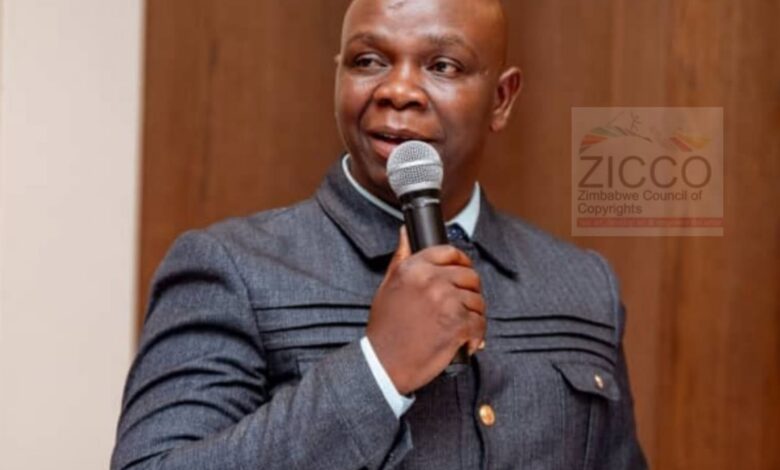
The Zimbabwe Council of Copyrights is set to face a major test as it begins royalty distributions on July 1, 2026. The move has placed the organisation under close public attention from composers, musicians and rights holders across the country. Many creators have long raised concerns about weak royalty systems and delayed payments in Zimbabwe’s creative sector. The announcement has therefore created both hope and caution among members who want proof that change is real. At the centre of this process is the Zimbabwe Council of Copyrights, also known as ZICCO, led by chairperson Dr Tafadzwa Masembura.
ZICCO has confirmed that it is fully prepared to begin distributing royalties to eligible members in line with its constitutional mandate. The organisation says it collects, manages and distributes royalties on behalf of copyright holders and aims to ensure fair allocation of earnings from creative works. According to Dr Tafadzwa Masembura, the distribution will follow internal rules designed to ensure equity among members. He stated that the process reflects a commitment to accountability and structured governance within the organisation. The timing of the rollout is significant because it comes during a period when creators have been demanding stronger systems for tracking and paying royalties.
The organisation has also outlined how members will receive their payments once distribution begins. Members in Harare and surrounding areas will receive SMS notifications instructing them when to collect payments from the head office. Those outside the capital will receive funds through approved electronic payment platforms to improve access and efficiency. ZICCO has urged members to update their contact and banking details to avoid delays or missed payments. The leadership says this system is designed to reduce bottlenecks and improve transparency in the payment process. The focus on digital transfers also reflects a shift toward modernised royalty administration in the country.
Beyond royalty payments, ZICCO has highlighted wider welfare and empowerment programmes aimed at supporting its members. Dr Masembura has pointed to initiatives such as a farming project in Nyabira intended to create alternative income streams for creatives. The organisation says it is working with experienced professionals to ensure these projects deliver measurable benefits. Members are expected to benefit in different ways depending on the structure of each initiative. ZICCO has also confirmed that it has assisted members with medical costs and funeral expenses in cases of illness and death. These interventions are presented as part of a broader support system for artists who often lack financial security.
Despite these efforts, questions remain about whether ZICCO can fully earn the trust of its members. The creative industry in Zimbabwe has a long history of disputes over royalty collection, distribution transparency and administrative inefficiencies across various collective management organisations. Many composers are now watching closely to see if ZICCO’s system will deliver consistent and fair payments. The success of the upcoming distribution will likely influence how the organisation is viewed in the long term. Skepticism remains high because past promises in the sector have often failed to translate into reliable income for artists. For many members, proof will come not from statements but from actual payments received without delays or discrepancies.
The launch of royalty distributions on July 1 places ZICCO at a defining moment in its development as a collective management organisation. If the process runs smoothly, it could strengthen confidence among composers and improve participation in the system. If it fails, it may reinforce long-standing doubts about the effectiveness of such organisations in Zimbabwe’s creative economy. The coming weeks will therefore be critical in shaping the reputation of ZICCO and its leadership under Dr Tafadzwa Masembura. For composers who have waited years for reliable systems, this moment represents both an opportunity and a test of accountability.