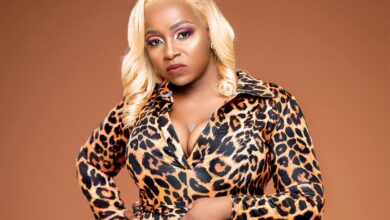
Zimbabwe’s Margaret Lubinda to Showcase Powerful Disability Story at National Arts Festival in South Africa

Alpha Media Holdings (AMH) correspondent journalist Margaret Lubinda is set to represent Zimbabwe at this year’s National Arts Festival in South Africa with a deeply human photographic project that highlights resilience, disability and entrepreneurship. Her work focuses on the life of a visually impaired tailor from Bulawayo, offering an intimate look at how determination can overcome severe personal challenges. The exhibition places Zimbabwean storytelling on an international platform at one of Africa’s most respected arts gatherings. Lubinda’s selection marks a significant achievement in her career as both a journalist and documentary photographer. It also reflects growing regional collaboration in the creative arts sector. Her project brings attention to stories that often remain unseen in mainstream media.
The exhibition, titled INTLABI YEKHAYA, opens on June 25 and runs until July 5 at the Albany Museum in Makhanda as part of the National Arts Festival programme. It is part of the first Women in Photography Incubator Programme held in South Africa’s Eastern Cape province, supported by the provincial Department of Sport, Recreation, Arts and Culture. The programme brings together 10 women photographers from across the region, with Lubinda representing Zimbabwe as the only participant from the country. The initiative focuses on developing visual storytelling skills while encouraging collaboration between emerging photographers. It also aims to amplify voices that reflect real social and cultural experiences. The inclusion of Lubinda highlights Zimbabwe’s growing presence in regional creative platforms.
Curated by Bekithemba Ntini and Loyiso Oldjohn, INTLABI YEKHAYA explores innovative approaches to photography through visual storytelling, multimedia installations and augmented reality. The exhibition challenges traditional artistic boundaries while highlighting emerging female voices in the visual arts space. Ntini, who also serves as head of projects at Market Photo Workshop, said the programme was designed to elevate young women photographers and create space for meaningful dialogue. He emphasized that the exhibition is not only about showcasing art but also about sparking conversations around issues affecting communities. Themes explored include identity, entrepreneurship, cultural preservation, sport, resilience and community development. The works collectively reflect the social and economic realities of township and rural life.
Lubinda’s photographic project stands out for its focus on Rameck Manyepo, a visually impaired tailor from Zimbabwe whose story of perseverance forms the emotional core of her exhibition contribution. Through her lens, Lubinda documents his daily life as he prepares tailoring equipment, produces handmade pillows and travels independently to sell his goods in Zvishavane. The images capture both the physical demands and emotional strength required for him to sustain his livelihood. Manyepo has lived with visual impairment for years and continues to support his family despite significant challenges. His story reflects both hardship and determination, showing how disability does not eliminate economic agency or ambition. Lubinda’s work presents his journey with dignity and depth.
Speaking ahead of the festival, Lubinda expressed gratitude for being selected to participate in the exhibition and emphasized the importance of sharing stories that carry social impact. She described the opportunity as both an honour and a responsibility to amplify voices that are often overlooked. Her collaboration with Manyepo is rooted in trust and shared purpose, focusing on presenting his lived experience authentically. Lubinda highlighted his resilience, noting that he continues to work despite losing his sight and facing daily obstacles. Her approach to documentary photography prioritizes respect, representation and narrative integrity. She believes storytelling can influence perception and inspire change when handled with care.
Manyepo’s personal story adds a powerful emotional layer to the project, particularly his experience as a father of six children. He has never had the chance to see his youngest child, who is currently in Grade 6, yet he continues to work tirelessly to support his family. Despite his visual impairment, he has built a livelihood through tailoring and small-scale production of household items. His independence in navigating work and travel challenges traditional assumptions about disability. Lubinda’s photography captures these moments without sensationalism, focusing instead on everyday resilience. The result is a narrative that reframes disability through capability and persistence.
Lubinda explained that her intention is to challenge stereotypes surrounding disability by portraying Manyepo as a victor rather than a victim. Her images show him actively engaged in his work, making decisions and sustaining his business with determination. She believes this perspective is essential in changing how society views people with disabilities. The project also highlights broader issues such as access to opportunity and economic inclusion. By documenting his journey, Lubinda aims to shift public perception toward empowerment and dignity. Her work positions storytelling as a tool for social reflection and awareness.
Beyond artistic recognition, Lubinda hopes the exhibition will create opportunities that improve Manyepo’s livelihood and visibility. She believes that international exposure at the National Arts Festival could open doors for support and recognition of his entrepreneurial efforts. Her work is driven by the belief that documentary photography should have tangible impact beyond the gallery space. She expressed hope that audiences will connect emotionally with the story and see value in supporting individuals facing adversity. For her, success is measured not only in artistic achievement but also in meaningful change. This philosophy shapes her approach to journalism and visual storytelling.
Margaret Lubinda’s participation in INTLABI YEKHAYA represents a significant moment for Zimbabwean creative storytelling on a regional stage. Her work combines journalism and photography to present a narrative of resilience that resonates beyond borders. The exhibition brings together diverse voices while placing emphasis on lived experience and social reality. Through her lens, a visually impaired tailor’s daily life becomes a powerful statement on determination and human strength. As the National Arts Festival unfolds in Makhanda, Lubinda’s work stands as a reminder that impactful stories often emerge from ordinary lives shaped by extraordinary perseverance.