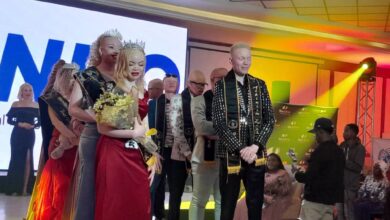
Sipho Mazibuko Secures Continental Trademark for Miss Rural Africa, Marking a New Era for African Pageantry
A groundbreaking milestone by Sipho Mazibuko has placed Zimbabwe at the centre of a new shift in African pageantry after her Miss Rural Africa and Mr Rural Africa brands received continental trademark approval from the African Regional Intellectual Property Organisation. The approval turns what began as a local cultural initiative into a fully protected international brand with legal recognition across multiple African countries. This development gives Mazibuko control over the brand’s use, expansion and commercial direction at a continental level. It also signals a major shift in how African pageants can be owned and managed. For Mazibuko, the achievement represents more than recognition, it represents independence for African-led cultural platforms.
The ARIPO certification, granted in February, changes the status of the pageant from a national project into a continent-wide intellectual property asset. This means the Miss Rural Africa and Mr Rural Africa brands can now operate beyond Zimbabwe without losing ownership rights. Mazibuko described the moment as a turning point that expands the reach of African-led pageantry. She explained that the platform is no longer limited by geography and can now grow across multiple markets. The trademark also ensures that all future expansion remains under African ownership, a factor she says is critical for long-term sustainability.
African pageantry has long been influenced by global franchises such as Miss World and Miss Universe, which set international standards and often control commercial rights. Mazibuko’s achievement introduces a different model where an African-rooted pageant operates independently under its own rules and identity. This shift challenges the traditional structure of beauty competitions, where African participants often compete in systems designed outside the continent. By securing continental intellectual property rights, Mazibuko has created space for a pageant that reflects African values and rural identity. She described this as breaking long-standing barriers in the industry.
Under the new structure, Mazibuko will not directly manage competitions in every country. Instead, she plans to license the Miss Rural Africa and Mr Rural Africa brands to national organisers who understand their local cultures. This approach allows each country to run its own selection process while still feeding into a continental final. The final competition is expected to be hosted in Zimbabwe, which positions the country as a central hub for the pageant. Mazibuko believes this model will keep value within Africa instead of exporting it to external organisers.
Economic impact is a major part of her vision. She expects the continental pageant to generate tourism, create jobs and stimulate local industries. Past events under Miss Rural Zimbabwe have already shown measurable effects, including fully booked hotels in resort towns like Kariba during pageant seasons. With a continental version, she expects these benefits to scale significantly. She explained that bringing contestants from 54 African countries would also attract media teams, designers, artists and investors. This influx of activity would benefit sectors such as hospitality, fashion, transport and events management.
The business model includes multiple revenue streams such as licensing fees, broadcasting rights and cultural exhibitions. Mazibuko has indicated that these could generate significant income as the brand expands across the continent. She also sees the pageant as a long-term investment in Africa’s creative economy. By building a structured intellectual property framework, she aims to ensure that African organisers benefit directly from the industry’s growth. This approach shifts financial control closer to the communities that participate in and host the events.
Beyond economics, the pageant is designed to promote cultural authenticity. Contestants will not be required to conform to global beauty standards that often favour artificial enhancements. Instead, participants will represent their natural appearance, traditional dress and indigenous languages. Mazibuko has made it clear that the goal is to celebrate African identity without external influence. She believes this approach restores dignity to rural communities that have often been excluded from mainstream pageantry.
Eligibility rules are strict, with contestants required to come from rural backgrounds and fall within the age range of 18 to 30. Verification processes will involve traditional leaders, local authorities and government structures to ensure authenticity. This system is intended to protect the integrity of the pageant and maintain its cultural focus. Mazibuko has also emphasised that the initiative is not personal but national in significance. She views it as a platform that elevates rural communities that have historically been underrepresented.
The first Zimbabwean edition is scheduled for September 27 to align with World Tourism Day. After this event, attention will shift to expanding the pageant across Africa. Mazibuko has already outlined long-term plans to secure trademarks for Miss Rural World and Mr Rural World. These future goals aim to take the concept beyond Africa into a global platform that still preserves rural identity. Her broader vision focuses on building a sustainable system that celebrates heritage while creating economic opportunities.
Support from her daughter, Zoleka Mazibuko, played an important role in securing the trademark, particularly in regions with complex intellectual property systems. Her involvement helped strengthen the legal foundation of the brand across multiple jurisdictions. She has described the project as a corrective step against historical exclusion of rural Africans in global cultural industries. Together, the family effort reflects a shared mission to reposition African identity on its own terms.
Sipho Mazibuko’s achievement marks a significant shift in African pageantry and cultural ownership. It introduces a model where African-led brands control their identity, direction and economic value. The Miss Rural Africa trademark has the potential to reshape how pageants operate across the continent. It also positions Zimbabwe as a leading player in cultural innovation and tourism development. If fully realised, the initiative could redefine pageantry by placing African identity and rural representation at its centre.