Technology-Facilitated Gender-Based Violence Threatens Equality in Southern Africa
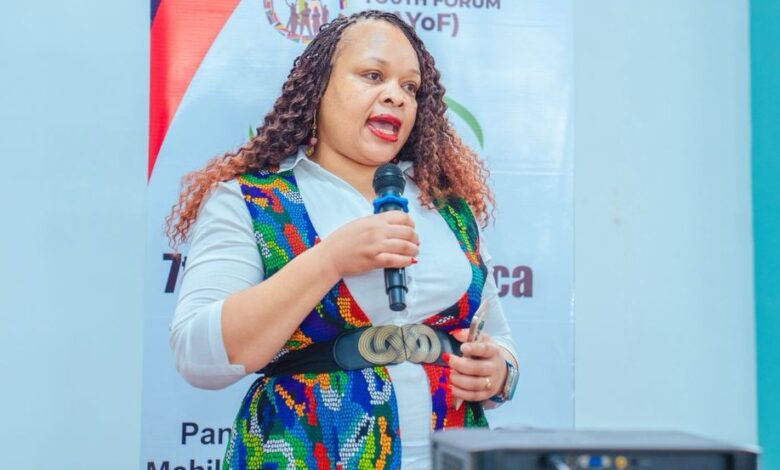
Technology-facilitated gender-based violence (TFGBV) is a growing concern that threatens gains made in achieving gender equality, according to Sally Ncube, Equality Now’s Regional Representative for Southern Africa. TFGBV involves the use of social media, messaging apps, and smart devices to harm individuals based on gender.
Ncube raised these concerns during Equality Now’s solidarity remarks at the 7th Southern Africa Youth Forum held in Antananarivo, Madagascar. The forum ran under the theme “Pan-Africanism in Action: Mobilising Youth for Sustainable Development and Civic Engagement.”
She highlighted that adolescents and youth face risks from harmful cultural practices such as child marriage, female genital mutilation, sex trafficking, online harms, TFGBV, legal inequalities, and marginalisation in decision-making and policy-making processes. Women and girls are disproportionately affected by TFGBV, which includes online exploitation, cyberbullying, and harassment.
Ncube pointed to the SADC Model Law on Gender-Based Violence as strong guidance for addressing online harms, but she noted gaps in enforcement, survivor protection, and cross-border cooperation.
Equality Now is leading initiatives to advance gender equality online and offline. One such effort is the Alliance for Universal Digital Rights (AUDRi), a coalition of over 45 civil society organizations, including strong representation from Africa. Founded in 2022 by Equality Now and Women Leading in AI, AUDRi advocates for a feminist-informed digital future that safeguards human rights for women, girls, and marginalized communities.
Recent progress includes the adoption of the Pact for the Future, which incorporates the Global Digital Compact (GDC). AUDRi successfully advocated for a standalone action line on gender in the GDC. Ncube emphasized the need to move from global commitments to context-specific implementation, raising awareness of international law frameworks, oversight mechanisms, and accountability structures.
AUDRi’s Africa Cluster will push for a regional civil society movement to ensure digital rights include a gender dimension, addressing inclusion and equality in technology development. Existing mechanisms face challenges in survivor protection, enforcement, and accountability. Cross-border cooperation, capacity building, and addressing underlying vulnerabilities are critical to protecting women, girls, and vulnerable groups.
Ncube stressed that Southern African women and girls are particularly exposed to risks from AI bias, climate impacts from ICT infrastructure, digital divides, and rising TFGBV. She urged the SADC Youth Forum and SADC Youth Parliament to integrate feminist digital principles into digital rights frameworks.
These principles include closing the youth digital divide, ensuring legal and policy protection for women and marginalized groups, promoting safe and inclusive internet access, and enforcing human-rights-based approaches to technology development. Ncube called for strengthened laws against GBV, misinformation, cyberbullying, and discriminatory AI systems, as well as increased participation of young women in digital governance and leadership.
She also emphasized environmental considerations, data privacy, and ethical technology design. Ncube urged SADC Member States to endorse these principles and implement the GDC fully, ensuring inclusive monitoring, evaluation, and multi-stakeholder engagement over the coming years.
The forum highlighted that protecting digital spaces from gender-based harm is essential for advancing equality, empowering youth, and fostering sustainable, inclusive development across Southern Africa.