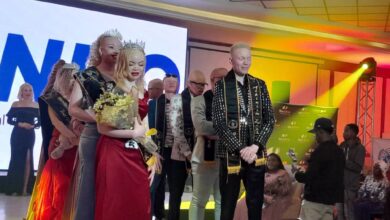
10 Things You Should Know About Tafadzwa Zimoyo

Tafadzwa Zimoyo is a prominent figure in the world of journalism and fashion, renowned for his dynamic contributions to Zimbabwe’s media landscape. As the Entertainment and Lifestyle Editor for The Herald, he has established himself as a critical voice in the industry. His work has earned him numerous accolades, reflecting his influence as a fashion icon and media personality. Here are ten essential things to know about Tafadzwa Zimoyo, showcasing his multifaceted career and impact.
1. Award-Winning Journalist
Tafadzwa has made significant strides in journalism, earning awards that recognize his excellence in reporting and storytelling. His dedication to uncovering the truth and delivering engaging narratives has set him apart in the competitive field of media.
2. Fashion Icon
Known for his unique sense of style, Tafadzwa has become a fashion icon in Zimbabwe. His ability to blend contemporary trends with traditional elements has made him a source of inspiration for many aspiring fashion enthusiasts.
3. Entertainment and Lifestyle Editor
As the Entertainment and Lifestyle Editor for The Herald, Tafadzwa curates content that informs and entertains readers. He covers a broad range of topics, from celebrity news to lifestyle trends, making significant contributions to the cultural discourse in Zimbabwe.
4. Media Personality
Beyond his journalistic work, Tafadzwa is a recognized media personality. He often appears on television and radio, where he shares insights on fashion, entertainment, and lifestyle, further solidifying his presence in the public eye.
5. Brand Strategist
Tafadzwa’s expertise extends into brand strategy, where he advises various companies and individuals on how to effectively communicate their brand identity. His insights help brands navigate the complexities of the market and connect with their audiences.
6. Fashion Stylist and Consultant
In addition to his work as a journalist, Tafadzwa is a sought-after fashion stylist and consultant. He works with clients to develop their personal style, ensuring they present themselves in the best light for various occasions.
7. Award-Winning Writer
His writing prowess has not gone unnoticed, as he has received awards for his contributions to literature and journalism. His articles often reflect a deep understanding of social issues, particularly in the context of Zimbabwean culture and fashion.
8. Critic and Fashion Police
Tafadzwa is known for his candid critiques of fashion choices, earning him the title of a fashion police figure in Zimbabwe. His reviews encourage individuals and designers to push the boundaries of creativity while maintaining a sense of elegance.
9. Advocate for Local Talent
He actively promotes local talent in the fashion and entertainment industries, helping to elevate emerging designers and artists. His advocacy plays a crucial role in fostering a vibrant creative community in Zimbabwe.
10. Inspiring Mentor
Tafadzwa takes on the role of mentor for young journalists and fashion enthusiasts, sharing his knowledge and experience to inspire the next generation. His commitment to nurturing talent ensures the continued growth of journalism and fashion in Zimbabwe.
Tafadzwa Zimoyo’s journey is a testament to the power of passion and dedication in shaping one’s career. As an award-winning journalist, fashion icon, and media personality, he continues to influence and inspire many within the Zimbabwean creative landscape. His contributions to journalism, fashion, and brand strategy not only enhance the cultural fabric of Zimbabwe but also pave the way for future generations in the industry.