Zimbabwe to Host 2026 CAF African Schools Football Championship Continental Finals
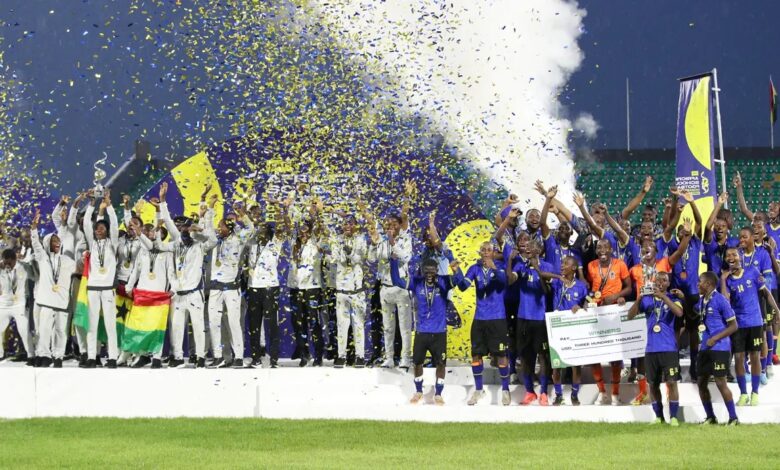
The Confederation of African Football (CAF) has confirmed that Zimbabwe will host the 2026 CAF African Schools Football Championship Continental Finals in Harare from April 2 to 10. The announcement signals a major return of continental youth football events to Zimbabwe, which last hosted regional tournaments in 2025, including the COSAFA Under-17 AFCON qualifier at The Heart Stadium and Ngoni Stadium in Norton. Ngoni Stadium also staged the CAF Under-17 Girls Integrated Football Tournament, demonstrating Zimbabwe’s growing capacity to host international youth competitions. The upcoming finals will showcase the best school-level talent from across Africa and are expected to draw widespread attention from scouts, football officials, and fans. Hosting this tournament positions Zimbabwe as a key player in the development of African football at the grassroots and youth levels.
The CAF African Schools Football Championship, now in its fourth year, was launched in 2021 under the leadership of CAF president Patrice Motsepe. It has grown rapidly into the world’s largest schools football programme, engaging more than three million participants from 82,477 schools across 48 countries. The tournament combines competitive football with educational development, emphasizing both sporting excellence and the growth of young athletes within structured learning environments. CAF general secretary Veron Mosengo-Omba highlighted the tournament’s importance, describing it as a strategic investment in African football. He emphasized that the competition strengthens football institutions while creating opportunities for young talent to gain experience at a continental level, including historic participation from teams representing sister confederations.
Zimbabwe Football Association (ZIFA) welcomed CAF’s announcement, calling it a milestone for the nation’s football development. ZIFA noted that hosting the finals will mark the first CAF event staged in Zimbabwe in over six years and reflects growing confidence in the country’s organizational capabilities. The association emphasized that the tournament will provide exposure to young players while also boosting local sports infrastructure. Schools, coaches, and students across the country are expected to benefit directly from the heightened attention and investment, creating opportunities for sustained development of football programs nationwide. The event also provides a platform for Zimbabwe to showcase its stadiums, training facilities, and organizational expertise to continental football authorities.
The tournament will offer substantial prize money aimed at supporting school infrastructure. Winners in both the boys’ and girls’ categories will receive US$300,000, runners-up will earn US$200,000, and third-place teams will take home US$150,000. These funds are earmarked for developing sports facilities, classrooms, and libraries at participating schools, ensuring that the investment benefits both athletics and education. CAF will also conduct parallel capacity-building programmes during the tournament, including workshops for referees, reporters, and medical personnel. These initiatives are designed to strengthen the overall framework for football development across the continent, creating lasting benefits beyond the finals themselves.
The participating teams in the girls’ tournament include Zimbabwe (hosts), Ghana (champions), Burkina Faso, Morocco, Guinea, Tanzania, Zambia, and DR Congo. In the boys’ category, Zimbabwe will compete alongside Tanzania (champions), Benin, Morocco, Senegal, Uganda, Zambia, and DR Congo. The tournament promises high-level competition while fostering international collaboration among young athletes. For Zimbabwe, hosting the 2026 CAF African Schools Football Championship is an opportunity to elevate national football standards, inspire the next generation of players, and contribute meaningfully to the long-term development of African football. The event is set to leave a lasting legacy for both participants and the host nation.