Draze and Thomas Mapfumo Unite on Powerful New Single “No” Ahead of Zimbabwe Independence Celebrations
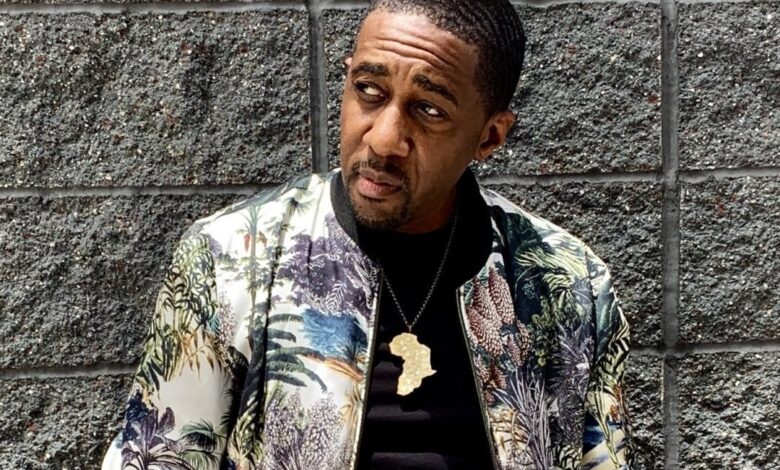
Zimbabwean-American artist Draze has released a new single titled No, featuring legendary musician Thomas Mapfumo, in a timely tribute ahead of Zimbabwe’s Independence Day on April 18. The release has drawn attention for its deep cultural message, blending music, history, and storytelling into a single artistic statement. The track arrives with a visually striking AI-generated video that reinforces its themes of freedom, identity, and unity. It reflects a growing movement in modern music where technology and heritage combine to tell African stories in new ways. The collaboration has positioned the song as both a creative project and a cultural reflection tied to Zimbabwe’s national history.
At the core of No is Draze’s signature “Ancestral Art” sound, which merges traditional Zimbabwean musical elements with contemporary hip-hop. This fusion creates a bridge between generations, allowing younger audiences to connect with historical sounds in a modern format. The song draws heavily from Zimbabwe’s rich musical heritage, using rhythm and storytelling to preserve cultural memory. By blending genres, Draze builds a soundscape that feels both global and deeply rooted in local identity. This approach strengthens the song’s message of continuity between past and present.
A key emotional layer of the track is its tribute to Draze’s late father, Dumisani Maraire, a respected figure whose work helped introduce Zimbabwean music to international audiences. The song reimagines Maraire’s classic Kutambarara, giving it new life through a contemporary arrangement. Vocalist Ngoni Chikoore performs the chorus, adding a familiar yet refreshed emotional tone to the composition. Draze has described the song as a personal offering to his father’s legacy and a way of sharing his message with a new generation. This connection between family history and national culture gives the track a deeply personal foundation.
The collaboration with Thomas Mapfumo adds historical weight and artistic depth to the project. Mapfumo is widely recognised as the father of Chimurenga music, a genre closely linked to Zimbabwe’s liberation struggle. His presence on the track strengthens its connection to themes of resistance, freedom, and national identity. The collaboration also introduces younger audiences to one of Zimbabwe’s most influential musical voices. Through this partnership, the song links different eras of Zimbabwean music under one unified message.
Internationally acclaimed Kenyan trumpeter Owuor Arunga also features on No, adding a powerful instrumental layer that enhances the song’s emotional intensity. His contribution brings a sense of urgency and resistance that aligns with the track’s broader themes. The trumpet elements create a sound that feels both reflective and forward looking, reinforcing the idea of struggle and hope. This cross continental collaboration highlights the growing interconnectedness of African musical talent. It also strengthens the song’s global appeal while maintaining its cultural roots.
The accompanying visual production plays a major role in expanding the song’s message. Created in collaboration with artist Renata, the AI generated video presents Zimbabwe’s independence story through a cinematic and symbolic lens. It explores themes of resilience, liberation, and collective identity, using digital tools to reimagine historical narratives. The visual storytelling also reflects the experiences of African and global Black communities, linking shared histories of struggle and triumph. This creative direction demonstrates how technology can be used to preserve and reinterpret cultural memory.
The song also makes a reference to Bob Marley’s historic performance at Rufaro Stadium in 1980, a moment widely associated with Zimbabwe’s independence celebrations. This reference symbolises international solidarity and the global attention Zimbabwe received during its transition to independence. By including this moment, Draze connects past political milestones with present cultural expression. It reinforces the idea that music has always played a role in documenting and supporting liberation movements. This historical layering adds depth to the overall narrative of the track.
Draze has described No as more than just a song, calling it a collective statement of identity and expression. He explains that it represents a reclaiming of voice, truth, and shared humanity. This message aligns with the timing of the release, as Zimbabwe prepares to mark another Independence Day. The track becomes both a reflection on history and a call for continued awareness of cultural identity. It positions music as a tool for dialogue, remembrance, and empowerment.
The single is part of Draze’s upcoming album, which continues his exploration of cultural fusion and storytelling through music. His work consistently focuses on connecting African heritage with modern global sounds, creating a unique artistic identity. With No, he deepens this approach by bringing together legendary voices, historical references, and advanced visual technology. The project stands as an example of how music can evolve while still honouring its roots. It also highlights the role of artists in preserving and reinterpreting cultural narratives.
As Zimbabwe reflects on its independence journey, No arrives as a meaningful contribution to the national conversation. The collaboration between Draze, Thomas Mapfumo, and other featured artists creates a powerful blend of history and innovation. The song carries a message that extends beyond entertainment, focusing on unity, remembrance, and identity. It shows how music can continue to shape cultural understanding across generations. Through this release, Draze positions himself as a storyteller committed to linking the past with the present in a way that resonates globally.