International Business Conference Highlights Private Sector Leadership in Driving Zimbabwe’s Economic Transformation
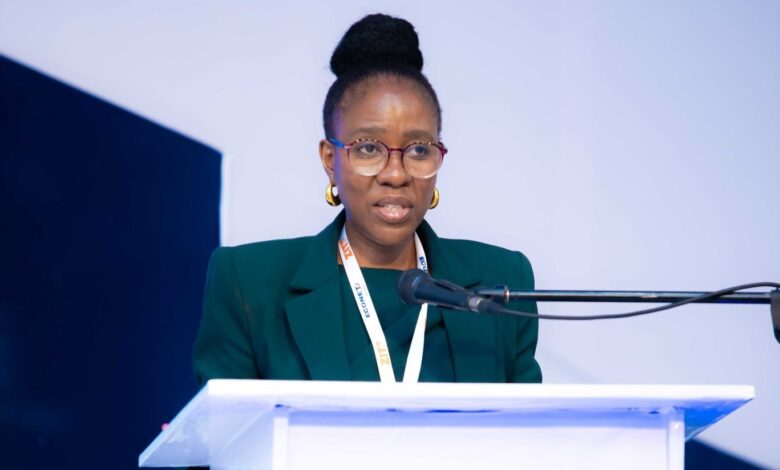
The International Business Conference brought together leading voices in business, development and policy to discuss practical pathways for Zimbabwe’s economic transformation, with a strong focus on collaboration between public and private sectors. Among the key speakers, Ms Kunyalala Maphisa, Chief Executive Officer of the Archbishop Desmond Tutu African Leadership Institute and Tutu Fellows programme in partnership with Oxford University, delivered a message centered on the importance of private sector leadership in designing and implementing scalable solutions. Her address emphasized that sustainable development requires more than policy direction and must include active participation from business leaders. She argued that the private sector has the capacity to move ideas from theory into practical outcomes. Her remarks positioned collaboration as a critical driver of national progress.
Ms Maphisa highlighted that strategic alignment is essential when developing solutions for economic growth. She explained that initiatives must be closely connected to Zimbabwe’s national development priorities to ensure relevance and impact. Without alignment, she noted, efforts risk becoming fragmented and less effective in addressing long-term challenges. She stressed that both government and private sector stakeholders need to work from a shared framework of national goals. This approach, she said, helps create clarity, focus and measurable results across different sectors of the economy.
A major focus of her presentation was innovation and growth, particularly the role of the private sector in driving new ideas and expanding global competitiveness. She pointed out that businesses are often at the forefront of innovation because they operate in fast-changing environments that demand adaptability. According to her, leveraging private sector expertise allows countries like Zimbabwe to tap into modern technologies, new business models and global market opportunities. She emphasized that innovation should not be viewed as optional but as a core requirement for economic resilience. This perspective highlights the importance of building systems that support creativity and entrepreneurial thinking.
Ms Maphisa also spoke strongly about the need for collaborative implementation rather than isolated efforts. She noted that many development initiatives fail when they are executed independently without coordination between stakeholders. She encouraged a shift toward co-designed and co-implemented solutions where government, private sector and development partners work together from the planning stage through to execution. This model, she said, ensures shared ownership and accountability. It also improves the likelihood that projects will be sustainable and scalable over time.
Her insights reflect a broader global trend where partnerships are increasingly seen as essential for economic transformation. She explained that no single sector has all the resources or expertise needed to solve complex economic challenges alone. By combining strengths, countries can build more resilient systems that respond effectively to both local and global pressures. She emphasized that Zimbabwe has an opportunity to position itself as a leader in collaborative development models if it strengthens private sector engagement. This approach, she suggested, could unlock new levels of growth and investment.
The discussion at the conference also underscored the importance of leadership development in driving change. Through her role at the Tutu African Leadership Institute, Ms Maphisa highlighted the value of nurturing leaders who understand both business dynamics and social impact. She noted that leadership training programs connected to global institutions such as Oxford University help broaden perspectives and build networks that support innovation. These programmes equip leaders with skills to navigate complex economic environments. They also encourage ethical leadership and long-term thinking in decision-making processes.
Participants at the conference engaged with the idea that economic transformation requires coordinated action across all sectors of society. The emphasis on private sector leadership did not diminish the role of government but rather highlighted the importance of partnership. Discussions reinforced the idea that development outcomes improve when stakeholders align their efforts and share responsibility. This approach was presented as a practical way to accelerate progress in areas such as industrial growth, infrastructure development and global trade integration. The conference created a platform for these ideas to be explored in depth.
Ms Maphisa’s contribution stood out for its focus on practical implementation rather than theory alone. She consistently returned to the importance of turning strategies into measurable actions that deliver real impact. Her message encouraged stakeholders to move beyond planning and focus on execution through cooperation. She reinforced that sustainable economic transformation depends on consistent collaboration and shared vision. Her insights resonated with participants who are working to address Zimbabwe’s evolving economic challenges.
The International Business Conference ultimately reinforced the importance of partnerships in shaping the future of economic development. Ms Kunyalala Maphisa’s address provided a clear framework for how private sector leadership can contribute to national progress through alignment, innovation and collaboration. Her perspective highlighted the value of combining expertise across sectors to build scalable and sustainable solutions. As Zimbabwe continues to pursue economic transformation, her message underscored the need for unity of purpose and coordinated action. The conference served as a reminder that long-term growth depends on collective effort and strategic cooperation across all levels of society.