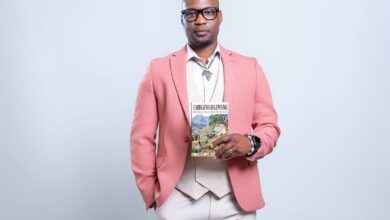
Trevor Dongo Calls for Unity and Peace Between Zimbabweans and South Africans Amid Rising Tensions

Zimbabwean musician Trevor Dongo has issued a heartfelt public appeal calling for peace, unity and understanding between Zimbabweans and South Africans as tensions rise over anti-immigrant sentiments in parts of South Africa. His message comes at a time when reports of hostility toward foreign nationals have sparked concern across the region, especially along the Limpopo border where many Zimbabweans live and work. Dongo, widely known as the “Ladies Man,” expressed deep sadness over incidents involving harassment, insults and forced displacement of Zimbabwean migrants. He used an open letter to urge both communities to reject division and embrace shared humanity. His appeal has quickly drawn attention across social media platforms and public discourse.
In his message, Dongo described South Africa as his “home away from home,” highlighting the close cultural and historical ties that bind the two neighbouring countries. He said it was painful to witness growing hostility between people who have long shared families, workplaces and social spaces. He pointed to scenes of Zimbabweans being told to return home and said such treatment creates fear and emotional distress among migrants. At the same time, he acknowledged that tensions are often fueled by economic pressure and misunderstandings. He urged both sides to avoid responding to pain with further aggression. His message focused on calm reflection and mutual respect.
Dongo addressed Zimbabweans living in South Africa directly, recognizing the difficulties many face while working far from home. He spoke about the emotional weight of being treated as an outsider while trying to build a better life. He encouraged migrants to maintain dignity even in moments of frustration and rejection. He emphasized that Zimbabweans did not move to South Africa to create harm or competition but to work, contribute and support themselves. His message called for restraint and emotional strength in difficult environments. He said peaceful conduct can help reduce tension and build understanding over time.
At the same time, he reminded South Africans of the long-standing presence of Zimbabweans in their communities. He pointed to shared spaces such as schools, clinics, music and workplaces where Zimbabweans and South Africans interact daily. He said many relationships between the two groups are built on cooperation and friendship rather than conflict. He rejected the idea that all foreigners should be treated as a threat and warned against generalising entire communities. His message stressed that fear can distort reality and damage relationships that have taken decades to build. He encouraged dialogue instead of hostility.
Dongo placed strong emphasis on the African philosophy of Ubuntu, which promotes shared humanity and compassion. He said this value should guide how people treat each other during difficult times. He argued that communities can only solve challenges through conversation and mutual respect. He also highlighted that Zimbabwe and South Africa are connected by more than geography, pointing to migration history, family links and cultural exchange. He described the relationship between the two nations as deeply intertwined and often misunderstood when tensions rise. His appeal encouraged people to remember their shared identity before reacting to differences.
Music, according to Dongo, also plays an important role in bridging divides. He said artists have a responsibility to remind people of their shared experiences and to promote unity during periods of tension. He believes cultural expression can help reduce misunderstandings that often fuel conflict. He called for a shift in mindset, where people choose cooperation over suspicion and dialogue over exclusion. His message framed unity as a conscious decision rather than a distant ideal. He encouraged both Zimbabweans and South Africans to actively work toward peaceful coexistence.
Public reaction to Dongo’s open letter has been largely positive, with many social media users praising his call for peace and compassion. Some described his message as timely and necessary given current tensions affecting migrant communities. Others said it reflects a broader need for stronger communication between nations sharing close borders and histories. Many supporters emphasized that humanity should take priority over nationality in moments of crisis. His appeal has added to ongoing conversations about migration, identity and regional unity in Southern Africa.
Dongo’s message ends with a strong reminder that division is not inevitable. He encourages both Zimbabweans and South Africans to see each other as neighbours with shared futures rather than opponents. His call for unity highlights the importance of understanding, respect and empathy in resolving conflict. As tensions continue to surface in different parts of the region, his voice adds to growing appeals for calm and cooperation. The message reinforces a simple idea that peaceful coexistence depends on choices made by ordinary people every day.