Makhadzi Appeals for African Unity as Zimbabwe Boycott Debate Divides Fans
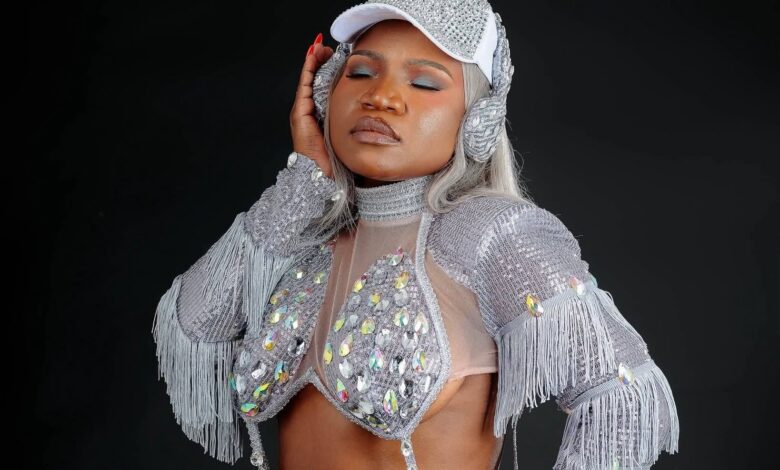
South African music star Makhadzi has called for unity across Africa after reports emerged that some Zimbabwean activists and political figures are encouraging a boycott of South African artists performing in Zimbabwe. The discussion has gained momentum as tensions continue to rise over immigration issues in South Africa, with debates surrounding illegal immigration, border control and the repatriation of foreign nationals from countries such as Zimbabwe, Malawi, Ghana and Nigeria. As one of South Africa’s most successful performers with a large following across the continent, Makhadzi has unexpectedly found herself at the center of a broader political and cultural debate. Although she has not been linked to any political campaign, her scheduled performance in Zimbabwe has become part of a larger conversation about African solidarity and the impact of regional tensions on cultural exchange. Her response has focused on promoting unity through music rather than engaging in political arguments.
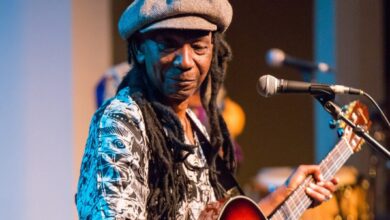
The controversy comes ahead of Makhadzi’s scheduled appearance at the Cheso Power Festival in Harare on July 31, where she is expected to co-headline alongside Zimbabwean sungura music legend Alick Macheso. The festival has been promoted as one of the major entertainment events on Zimbabwe’s calendar, bringing together artists from different musical backgrounds. However, calls from some activists for South African performers to be boycotted have placed additional attention on the event. Critics argue that allowing South African artists to perform while concerns over the treatment of foreign nationals remain unresolved sends the wrong message. Others believe that music festivals should remain separate from political disagreements and continue serving as platforms that bring African people together.
In response to the growing debate, Makhadzi shared a message on Facebook encouraging Africans to stand together despite national differences. She posted artwork describing herself as “Proudly African” and the “Queen of African Music,” while highlighting messages centered on peace and unity. The poster included phrases such as “Ubuntu knows no borders,” “Respect knows every law,” and “Africa is our home, music is our voice.” Rather than responding directly to criticism, the singer chose to reinforce the idea that music has the power to connect people beyond politics and geographical boundaries. Her message quickly attracted widespread attention across social media, with supporters and critics offering different interpretations of her timing and intentions.
Many supporters defended Makhadzi, pointing to her long history of collaborating with artists from different African countries and performing across the continent. Facebook user Maenje Ngwembe argued that the singer should not be blamed for political developments occurring within South Africa. He noted that Makhadzi has consistently promoted African unity throughout her career and has recorded music in different African languages while building relationships with musicians beyond her home country. As a Malawian fan, Ngwembe expressed admiration for her music and warned against judging individual artists based on the actions of unrelated groups. His comments reflected the views of many fans who believe entertainers should not become targets during political disputes.
Not everyone agreed with Makhadzi’s decision to address the issue publicly. Some social media users felt the singer would have been better served by remaining neutral during such a sensitive period. Thulisile Nkosi jokingly suggested that Makhadzi should focus on performing within South Africa while bookings elsewhere face uncertainty. Others believed that speaking publicly risked drawing additional attention to an already difficult situation. For these critics, silence represented a safer approach that would allow the artist to avoid becoming further entangled in political debates beyond her control.
Zimbabwean fan Irene Shaba offered a more balanced perspective by explaining that she personally welcomed Makhadzi’s planned performance in Zimbabwe. At the same time, she acknowledged that many fellow Zimbabweans held different opinions because of the current political climate. Shaba expressed hope that tensions would eventually ease and that the singer would still have the opportunity to perform for Zimbabwean audiences in the future. Her comments highlighted the reality that public opinion remains divided rather than united behind either supporting or opposing the concert. Many music lovers continue to separate their appreciation of artists from broader political disputes, even while recognizing the emotional nature of the current debate.
Another social media user, Rudzani Maila, argued that remaining silent may have been the strongest strategy available to the singer. According to Maila, staying neutral could have allowed Makhadzi to avoid criticism from both South African and Zimbabwean audiences while protecting her reputation across the region. His comments reflected a wider belief that celebrities often face significant risks when commenting on politically sensitive issues. Public figures frequently find themselves judged not only for what they say but also for when they choose to speak. As a result, every statement can become part of a much larger public conversation.
Despite the controversy surrounding her planned performance in Zimbabwe, Makhadzi continues to enjoy widespread popularity across Africa. During a recent visit to the Democratic Republic of the Congo, she received an enthusiastic welcome from hundreds of supporters. Videos shared online showed large crowds surrounding the e-hailing vehicle she was traveling in as excited fans attempted to greet her. During the excitement, the vehicle’s bumper and side mirror were accidentally damaged. Makhadzi later reassured supporters that she was unharmed and described the incident as an overwhelming display of love from her Congolese fan base, demonstrating that her popularity remains strong in many parts of the continent.
The debate has unfolded shortly after an important personal milestone for the singer. Makhadzi celebrated her 30th birthday on June 30 with several major achievements. As part of her celebrations, she released a new song titled “Tsotsi,” giving fans fresh music while marking the occasion. She also revealed that she had purchased herself a new mansion, describing it as a reward for years of dedication and hard work within the music industry. These accomplishments highlighted the remarkable success she has achieved as one of South Africa’s leading entertainers despite continuing challenges throughout her career.
The discussion surrounding South African artists has also attracted significant commentary from within Zimbabwe. Journalist Gabriel Manyati, writing for Nehanda Radio, criticized Zimbabwean presidential spokesperson George Charamba for dismissing calls to boycott South African musicians. Manyati argued that the controversy extends far beyond any individual performer and instead reflects growing frustration over how foreign nationals have been treated in South Africa. According to his analysis, Makhadzi herself bears no responsibility for anti-immigration protests or public demonstrations. He described her as a talented artist whose music has brought happiness to audiences throughout Africa while emphasizing that she has become a symbol within a much larger political debate.
Manyati further argued that cultural boycotts have historically served as a peaceful form of protest for communities seeking to express dissatisfaction when other options appear limited. He maintained that the current campaign should not be interpreted as a personal attack against Makhadzi but rather as a response to wider concerns over Afrophobia and the treatment of migrants. He also pointed to the removal of South African group Mafikizolo from the Buddie Beatz concert lineup in Harare following public pressure as evidence that dissatisfaction extends beyond one performer. In addition, he referenced vigilante groups such as Operation Dudula and March and March, as well as incidents involving attacks on foreign nationals, including the killing of Zimbabwean Elvis Nyathi in Diepsloot. According to Manyati, these events have contributed to growing anger that is now influencing cultural and entertainment events across Southern Africa.
The situation has placed Makhadzi’s upcoming Harare performance under intense public scrutiny while raising wider questions about the relationship between politics and entertainment in Africa. Supporters continue to argue that music should unite people regardless of nationality, while others believe cultural events provide an opportunity to highlight concerns about the treatment of African migrants. As debate continues, Makhadzi has remained consistent in promoting unity rather than division, encouraging Africans to see themselves as members of one continent connected through shared culture and humanity. Whether her concert proceeds without disruption remains to be seen, but the discussion has already highlighted how closely music, identity and politics can become intertwined during periods of regional tension. Her message of African unity continues to resonate with many supporters, even as the wider debate over cultural boycotts and Afrophobia shows little sign of ending anytime soon.