Wicknell Chivayo’s US$1.5 Million Offer to Thomas Mapfumo Sparks National Debate Over Music, Legacy and Money
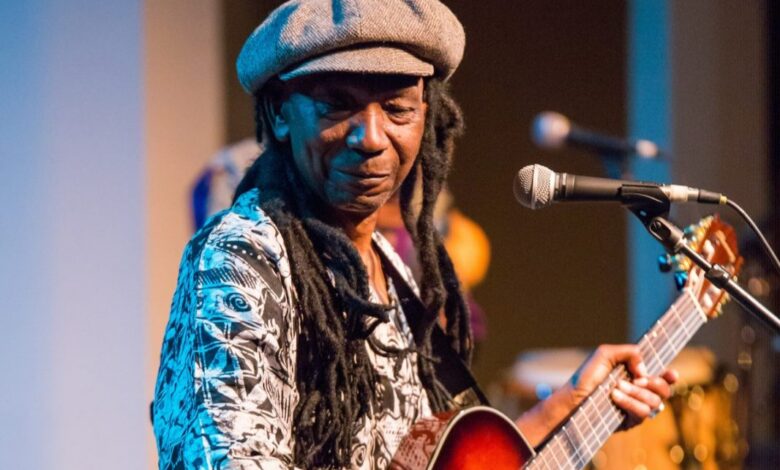
Flamboyant businessman Wicknell Chivayo has triggered intense public debate after pledging up to US$1.5 million to Zimbabwean music legend Thomas “Mukanya” Mapfumo in a proposed performance arrangement linked to Jah Prayzah’s reported upcoming wedding. The statement has spread widely across social platforms and news discussions, drawing strong reactions from musicians, political commentators and the public. At the center of the conversation is a proposed US$500,000 cash payment for Mapfumo to perform at the ceremony, with Chivayo later escalating the offer to US$1 million if the performance happens at his own birthday event instead. The discussion has gone far beyond entertainment, touching on issues of cultural value, legacy, and the role of money in artistic recognition. It has also reignited long standing debates about how Zimbabwe treats its most influential musicians.
According to Chivayo, the initial proposal was tied to Jah Prayzah’s rumoured wedding, which is expected to take place in August. He stated that if invited, he would attend the event and bring traditional household gifts such as a fridge, microwave, plates and cups, in line with customary wedding practices. However, he said the highlight of his contribution would be securing a performance by Thomas Mapfumo, whom he described as a key influence in Zimbabwean music history. Chivayo publicly offered US$500,000 in cash for Mapfumo to perform at the ceremony if he accepts the invitation. The businessman later expanded the idea by saying that even if the wedding performance does not materialise, he would still invite Mapfumo to perform at his personal birthday celebration for US$1 million.
The combined figure of US$1.5 million has sparked strong reactions across Zimbabwe’s social and cultural landscape. Some view the offer as overdue recognition for Mapfumo’s decades of contribution to Chimurenga music and African cultural identity. Others see it as a controversial blending of wealth, celebrity culture and political symbolism that risks overshadowing the artist’s legacy. Thomas Mapfumo, widely regarded as one of Zimbabwe’s most influential musicians, has long been associated with resistance music and cultural commentary through songs that shaped political consciousness during and after the liberation struggle. The scale of the proposed payment has therefore intensified scrutiny of both the intention and implications behind the offer.
Political and cultural commentator Blessing Vava said Mapfumo should consider performing if formally invited, framing it as a bridge between generations of Zimbabwean musicians. He highlighted Jah Prayzah and Winky D as artists who have maintained consistency and influence in modern Zimbabwean music. Vava also suggested that the gesture should be viewed as appreciation for Mapfumo’s contribution rather than a political transaction. He argued that the offer appears different from past controversies involving public figures and Chivayo’s financial support, since it does not explicitly attach political conditions. His remarks added another layer to the debate about whether such offers can be separated from political interpretation in Zimbabwe’s public discourse.
Other commentators took a more critical stance on the public reaction itself. Journalist Gabriel Manyati argued that the debate reveals inconsistencies in how people respond to wealth depending on context. He questioned why money is often labelled negatively in some situations but accepted in others when it supports causes that align with public sentiment. His view added pressure on the broader conversation about fairness and perception in public funding and private generosity. Retired military official and analyst Shepherd Mpeswe also weighed in, stating that Mapfumo’s legacy is already firmly established and cannot be diminished by any single performance. He described Mapfumo as a long standing moral voice in Zimbabwean music who has maintained principles throughout his career.
Mpeswe further argued that the current proposal differs from previous situations because it does not require political alignment or ideological compromise. In his view, the arrangement is strictly professional and based on performance, which separates it from past controversies surrounding artistic and political expectations. He emphasised that Mapfumo would not be endorsing any individual or agenda by performing under such conditions. This perspective has been echoed by others who see the proposal as a commercial arrangement rather than a political statement. However, not all commentators agree, and the discussion continues to reflect deeper divisions in how art, money and influence intersect in Zimbabwe.
Supporters of Mapfumo’s continued relevance also pointed to his musical catalogue and historical influence. Songs such as “Gwindingwi,” “Bhutsu Mutandarika,” “Corruption” and “Mamvemve” were referenced as evidence of his enduring cultural footprint. Some analysts argued that financial compensation at this stage of his career could represent delayed recognition for decades of artistic and political contribution. There were suggestions that any funds received could be directed towards long term projects such as music education, digitisation of archives or mentorship programs for younger artists. These ideas framed the offer not only as personal payment but as a potential investment in Zimbabwe’s cultural preservation.
Despite differing opinions, the central question remains unresolved. Whether Thomas Mapfumo will accept any invitation linked to the proposal is still unknown, and no official confirmation has been made regarding Jah Prayzah’s reported wedding plans. The debate continues to grow as more voices join the discussion, reflecting broader tensions around wealth, recognition and artistic legacy in Zimbabwe. What began as a proposed wedding performance has evolved into a national conversation about value, memory and the future of Zimbabwean music. The outcome now depends on decisions yet to be made, but the impact of the discussion has already placed both Mapfumo and Chivayo at the center of one of the most widely discussed cultural stories in recent memory.