Wicknell Chivayo Reveals Enzo Ishall Sold US$145,000 Luxury Gift Over Maintenance Costs
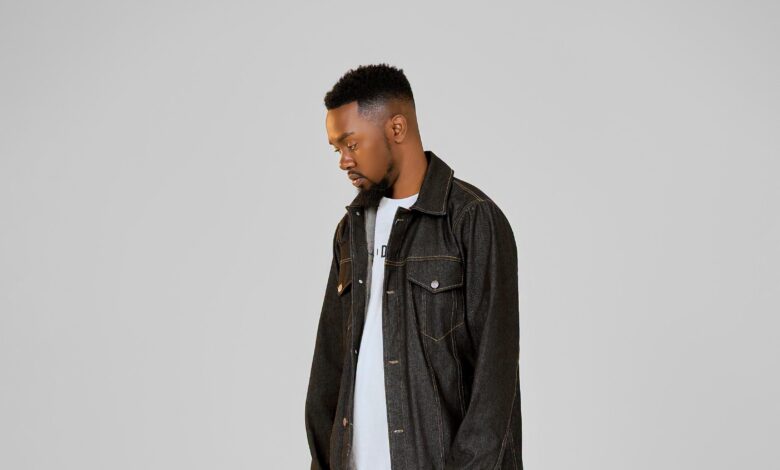
Controversial Zimbabwean businessman Wicknell Chivayo has revealed that Zimdancehall musician Enzo Ishall sold a luxury vehicle he had gifted him after reportedly struggling with the cost of maintaining it. The revelation has sparked renewed discussion about the realities that come with receiving high-value gifts, particularly expensive vehicles that carry significant ongoing ownership costs. Chivayo said he originally purchased the vehicle for about US$145,000 before later learning from a car dealer that Enzo was offering it for US$60,000. If Chivayo’s figures are accurate, the reported difference represents an extraordinary US$85,000 gap between the original purchase price and the amount the musician was seeking. The episode has exposed a less glamorous side of Zimbabwe’s celebrity gifting culture, where an extravagant gift can eventually become a financial burden for the recipient.
Speaking on the Denny J Show, Chivayo addressed questions he said he had been receiving about the luxury vehicles he has given to celebrities and other prominent Zimbabweans. The businessman claimed that people often ask him why he continues buying expensive cars for public figures when some recipients allegedly sell them soon afterwards. He used Enzo’s vehicle as an example, saying a car dealer contacted him to inform him that the musician wanted to sell the vehicle for US$60,000. Chivayo said the dealer’s call brought to his attention a transaction that he had not expected after presenting the vehicle as a gift. His comments have since drawn attention to the significant difference between the value attached to a luxury gift when it is presented and its potential resale value once the recipient decides to dispose of it.
There is some uncertainty surrounding the exact original price of the vehicle, however, as other reports have previously placed its purchase price at approximately US$130,000. Chivayo himself put the figure at about US$145,000, which would make the reported resale price particularly striking. Using the higher figure, a sale at US$60,000 would mean a reduction of US$85,000 from the reported purchase price. Even using the alternative US$130,000 figure, the difference would still amount to US$70,000. The conflicting figures make it difficult to establish the precise financial loss, but both estimates point to a substantial decline in value and underline the potential depreciation associated with high-end vehicles.
Chivayo said he did not object to Enzo selling the vehicle because it had become the musician’s property after being gifted to him. His apparent concern centred more on the circumstances that led to the sale and the price at which the vehicle was reportedly being offered. According to the businessman, Enzo found the vehicle expensive to maintain and needed money, creating a situation where keeping the luxury car was no longer financially practical. Chivayo suggested that the musician could have spoken to him directly about the difficulty instead of allowing the vehicle to reach the resale market through a dealer. The comments highlight an important distinction between receiving an expensive asset for free and being financially equipped to maintain that asset over several years.
Luxury vehicles come with recurring expenses that can quickly become significant, regardless of whether the original purchase price was paid by the owner. Insurance can be costly, particularly for high-performance or premium vehicles, while fuel consumption can also place considerable pressure on a monthly budget. Regular servicing, replacement tyres, specialised parts and unexpected mechanical repairs can add further costs over time. These expenses can become difficult to manage for individuals whose income depends heavily on performances, appearances, endorsements or other irregular sources of revenue. The situation surrounding Enzo’s vehicle therefore raises a broader question about whether recipients of luxury gifts can realistically afford the financial responsibilities that accompany them.
The issue has also generated commentary about Zimbabwe’s growing culture of celebrity gifting, where photographs of public figures receiving expensive cars can quickly attract attention online. Social media commentator Tadiwa Chipato captured the financial dilemma by describing luxury cars as bills rather than simple gifts. The statement reflects the reality that a vehicle does not stop costing money simply because someone else paid for it initially. Fuel, insurance, servicing and repairs continue to require cash long after the excitement surrounding a new vehicle has faded. For celebrities who may already have demanding financial commitments, those recurring expenses can make an apparently valuable gift less attractive over time.
Other commentators have questioned why Enzo would reportedly sell such an expensive vehicle for US$60,000 instead of exploring other options. Nigel Makiyi argued that the musician may have been able to secure a better price by approaching Chivayo or another party directly. His comments reflect the view that a luxury vehicle should not necessarily be disposed of at a steep discount without first considering alternative ways of raising money. However, the actual market value of a used luxury vehicle depends on factors such as its condition, mileage, model, maintenance history and demand. Without independent confirmation of the vehicle’s condition and market value, it is difficult to determine whether the reported US$60,000 asking price was genuinely below its fair resale value.
Chivayo also suggested that Enzo could have approached him directly if the vehicle had become too expensive to maintain. He indicated that he might have been willing to help the musician find a different solution, even suggesting that he could have considered helping him acquire a house instead. The comments provide an interesting insight into how Chivayo views some of the gifts he has given to public figures. They suggest that he does not necessarily expect recipients to retain the vehicles indefinitely, provided they communicate their circumstances and make decisions that preserve the value of the gift. The situation also shows how a direct conversation could potentially have produced an alternative outcome for both the giver and recipient.
Enzo is reportedly not the first high-profile beneficiary to consider turning a vehicle received from Chivayo into another form of financial value. Chivayo said musician Jah Prayzah previously approached him about selling a vehicle because he wanted to raise money for a studio. According to Chivayo, he did not object to the proposed sale because Jah Prayzah was expected to receive a reasonable price and intended to use the proceeds towards another productive asset. That example presents a different approach to handling a valuable gift, with the vehicle potentially serving as a source of capital for an income-generating creative investment. It also demonstrates that selling a gifted vehicle does not necessarily indicate financial irresponsibility, as the reasons for the sale and the way the money is used can make a significant difference.
Chivayo’s gifting spree has made him one of Zimbabwe’s most prominent celebrity benefactors, with luxury vehicles and large cash gifts becoming a notable part of his public profile. His reported beneficiaries have included musicians such as Jah Prayzah, Alick Macheso and Killer T, as well as Mai Charamba, former Warriors captain Peter Ndlovu and veteran broadcaster Reuben Barwe. Ndlovu reportedly received a BMW X6M valued at about US$144,000, while Jah Prayzah has reportedly received a Mercedes-Benz S500 valued at around US$180,000 and later a 2025 Range Rover Autobiography together with US$150,000 in cash. Barwe has also reportedly received a 2025 Toyota Land Cruiser as well as cash. These high-value gifts have attracted significant public attention because of their scale and because they have often been presented as recognition of individuals Chivayo admires.
The Enzo Ishall episode adds another dimension to the public conversation surrounding these gifts because it shifts attention from the moment of presentation to what happens afterwards. A luxury car may generate excitement when it is handed over, but ownership brings responsibilities that can last for years. A recipient may need to consider whether the vehicle fits their lifestyle, income and long-term financial plans before deciding to keep it. In some cases, selling an asset may be a rational decision if the proceeds can address urgent financial needs or support a more productive investment. However, a large difference between the original purchase price and the eventual selling price can also demonstrate how quickly a luxury asset can lose value.
For Enzo Ishall, the reported sale highlights the complicated financial realities that can sit behind highly publicised celebrity gifts. What initially appeared to be an extraordinary US$130,000 to US$145,000 windfall reportedly became difficult to sustain because of the costs associated with keeping the vehicle. Chivayo’s disclosure has consequently raised broader questions about luxury gifting, depreciation, financial planning and the responsibilities that come with high-value assets. It also shows why the value of a gift cannot be measured solely by its purchase price, since long-term affordability can ultimately determine whether the recipient views it as a blessing or a burden. As Zimbabwe’s celebrity gifting culture continues to attract public attention, the Enzo episode serves as a reminder that even the most glamorous gifts can carry significant financial consequences once the celebration ends.