Umkhathi Theatre Works to Represent Zimbabwe at 2026 Cradle of Creativity Festival in South Africa
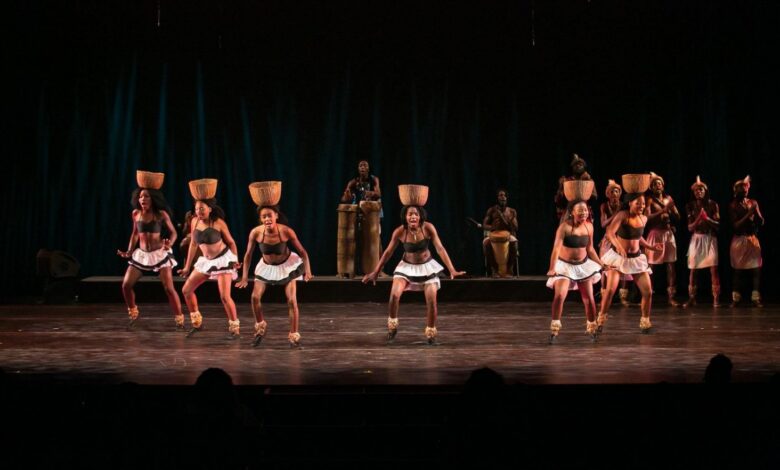
Multi-award-winning Bulawayo theatre ensemble Umkhathi Theatre Works is set to carry Zimbabwe’s flag at the 2026 Cradle of Creativity Festival in South Africa, marking another important milestone for the country’s performing arts sector. The prestigious festival will run from August 31 to September 6 and will bring together theatre makers and performing artists from across Africa and beyond. Umkhathi is the only Zimbabwean ensemble selected to showcase its work at this year’s festival, giving the group an important opportunity to present Zimbabwean theatre to an international audience. The 2026 edition will be held under the theme “Jumping Over the Kraal”, a theme that speaks to creativity, movement and the breaking of boundaries. For Umkhathi, the invitation represents recognition of its contribution to theatre for young audiences and provides a platform to introduce its latest production to audiences in South Africa.
The Cradle of Creativity Festival will feature 21 productions from 10 countries, creating a diverse programme of theatre, dance and music for children and young people. Performances will take place at several venues in the Northern Cape, including Kimberley, as well as at The Market Theatre in Johannesburg in Gauteng. The festival provides artists with an opportunity to share creative ideas while engaging with audiences from different cultural backgrounds. It also creates a professional environment where theatre practitioners can meet, exchange knowledge and develop relationships that can lead to future collaborations. Umkhathi’s participation therefore goes beyond a single performance because the group will be representing Zimbabwe within a broader continental and international performing arts network.
Umkhathi will present The Painted Kite, a vibrant theatre-for-young-audiences production that explores friendship, bullying, forgiveness and the power of imagination. The production uses a playful visual world created from recycled materials to tell a story that combines entertainment with important lessons for young audiences. At the centre of the story are two best friends, Sihle and Themba, who dream of becoming pilots. Their fascination with flying begins with colourful kites, which become symbols of their hopes and aspirations as they imagine one day leaving the ground and taking flight for real. Through this imaginative approach, the production presents childhood dreams in a way that young audiences can understand while introducing deeper themes about relationships and personal challenges.
The friendship between Sihle and Themba is disrupted by Jason, a troubled boy who mocks the two friends and destroys their kites. His behaviour initially appears cruel, but the story gradually reveals that his actions are connected to pain and difficulties he is struggling to express. As tensions between the children increase, a magical wind transports them into what is described as the “place of peace and colour”. This dreamlike environment changes the direction of the story and gives the characters an opportunity to confront their emotions and understand each other. The transformation allows the production to explore how empathy and forgiveness can help resolve conflict rather than allowing anger and hurt to deepen divisions.
Within this magical world, Jason eventually opens up about the struggles behind his behaviour. His willingness to share his experiences gives Sihle and Themba a better understanding of why he acted the way he did. The children begin to recognise that people can sometimes hurt others while dealing with their own difficulties. Instead of responding to conflict with more aggression, they learn the value of listening, empathy and forgiveness. The story ultimately presents a simple but powerful message that genuine strength comes from supporting others rather than putting them down. These themes make The Painted Kite particularly relevant to young audiences who may encounter bullying, friendship challenges and difficult emotions in their own lives.
Umkhathi director Matesu Dube co-directed The Painted Kite with Chipo Basopo and said the ensemble has spent two months refining the production ahead of its appearance at the festival. The team travelling to South Africa includes Fidelis Tshuma, who plays Themba, Sylvester Menyika, who portrays Jason, and Lorin Sibanda, who takes on the role of Sihle. Martin Khumalo will provide live percussion during the performance, adding a musical dimension to the production, while Maqhawe Moyo will control the kites used as part of the show’s visual presentation. The combination of acting, live percussion, recycled materials and kite manipulation is expected to create a distinctive theatrical experience for festival audiences. The preparation reflects the ensemble’s commitment to ensuring that its Zimbabwean production can compete confidently on an international platform.
Dube said the group was excited about being included in the Cradle of Creativity Festival while acknowledging the nerves that come with performing alongside leading creative practitioners from across the continent. He described festivals as important spaces where artists can share their work, learn from one another and establish contacts for future collaborations. The opportunity to present The Painted Kite in South Africa has given the ensemble a sense of pride because it places its work alongside productions from other respected African and international creatives. Dube also expressed confidence that the group will deliver a performance capable of impressing audiences in South Africa. After spending two months refining the production, the team now hopes to leave a lasting impression during its festival appearance.
The selection of Umkhathi Theatre Works also highlights the importance of Zimbabwean theatre for young audiences within the wider performing arts landscape. Productions created specifically for children and young people can entertain while addressing subjects that influence their emotional and social development. The Painted Kite uses fantasy and imagination to approach serious issues such as bullying and forgiveness without making the message feel disconnected from the world of children. Its use of recycled materials also demonstrates how theatre makers can create engaging visual environments without relying entirely on expensive production resources. By taking this work to an international festival, Umkhathi has an opportunity to demonstrate the creativity and versatility present within Zimbabwe’s theatre sector.
The Cradle of Creativity Festival is an international theatre and performing arts festival for children and young people hosted by ASSITEJ South Africa. Its programme brings together local, continental and international productions spanning theatre, dance and music, with a focus on work created specifically for younger audiences. Beyond performances, the festival provides opportunities for professional development and international cultural exchange. These elements make the event an important meeting point for artists who want to expand their networks, learn new approaches and explore future partnerships. For Umkhathi, participation provides both a performance opportunity and a chance to engage with a wider community of theatre practitioners working in the field of young audiences.
Umkhathi will share the festival programme with productions such as Dimpho and the Catfish, Butterfly Heart, The Boy and The Ball and The Young Scientist, among others. The variety of productions is expected to expose audiences to different storytelling styles, cultures and approaches to theatre for children and young people. Such diversity is one of the strengths of an international festival because it allows young audiences and theatre practitioners to experience stories that come from different social and cultural contexts. For Zimbabwean theatre, having Umkhathi included in this programme provides valuable visibility and demonstrates that local productions can find a place within major international performing arts events. The group’s participation could also open doors for further regional partnerships and opportunities beyond the festival itself.
Umkhathi Theatre Works’ appearance at the 2026 Cradle of Creativity Festival is therefore an important moment for both the ensemble and Zimbabwean theatre. The Painted Kite gives the group an opportunity to showcase a production built around friendship, imagination, empathy and forgiveness while demonstrating the creative potential of theatre for young audiences. Its selection as the only Zimbabwean ensemble at the festival gives the group an added responsibility, but it also provides a valuable platform to promote Zimbabwean creativity on the regional and international stage. With a carefully prepared cast, live percussion, imaginative kite work and a story designed to connect with young audiences, Umkhathi is heading to South Africa with a clear ambition to make an impact. As the festival brings together 21 productions from 10 countries, Zimbabwe’s representative will have an opportunity to show that local theatre can cross borders, connect cultures and inspire audiences through powerful storytelling.