Winky D Releases Powerful Spirit of Kunta Visuals Ahead of New Album
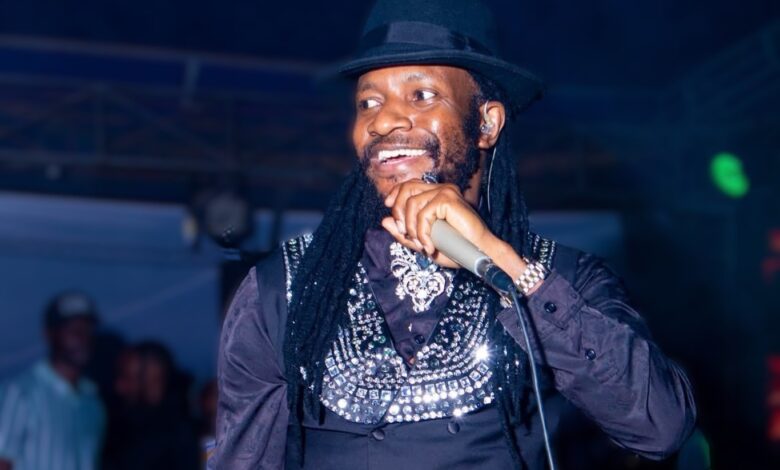
Zimbabwean dancehall star Winky D has released the visuals for his latest song, Spirit of Kunta, introducing a powerful new chapter in his music while exploring themes of African identity, renaissance and the decolonisation of the mind. The release arrives as the artist continues to use music as a platform for engaging with questions surrounding African history, culture and identity. Spirit of Kunta draws its significance from the story of Kunta Kinte, a historical literary figure whose name has become closely associated with resistance and the preservation of African identity. Through the new song and its accompanying visuals, Winky D continues a tradition of creating music that encourages listeners to think beyond entertainment. The release is also particularly significant because it comes with news that the celebrated artist is preparing to release a new album.
The title Spirit of Kunta immediately points listeners towards Kunta Kinte, the central character in Alex Haley’s 1976 novel Roots: The Saga of an American Family, which was later adapted for television. In the story, Kunta Kinte is portrayed as a young Mandinka man from The Gambia who was captured in 1767 and transported to America, where he was enslaved. His story became one of the most widely recognised representations of the brutality of the transatlantic slave trade and the human cost of forced displacement. Kunta’s experience also centres on the struggle to preserve a sense of identity under a system designed to strip enslaved people of their names, culture and connection to their origins. This historical and cultural background gives Winky D’s choice of title considerable weight.
One of the defining aspects of Kunta Kinte’s story is his resistance to the attempt to erase his African identity. After being enslaved, he was given the name Toby, but he continued to identify himself as Kunta Kinte. His refusal to accept the imposed name became a powerful representation of resistance against a system that sought to control not only his physical life but also his identity. Over time, Kunta Kinte’s name has come to represent African pride, resistance, ancestral connection and the determination to retain cultural identity despite oppression. These themes provide a strong foundation for understanding the possible significance of Winky D’s Spirit of Kunta.
The reference to Kunta Kinte also connects naturally with the broader concept of decolonising the mind. Mental decolonisation involves questioning inherited ideas, systems and attitudes that can cause people to view themselves and their cultures through the perspective of colonial power. For African artists, this can involve reclaiming language, history, cultural traditions and narratives that have often been presented from outside perspectives. Winky D has frequently incorporated social commentary and questions of identity into his music, making Spirit of Kunta a natural continuation of that artistic approach. The song’s themes invite listeners to consider what it means to understand and value African identity on African terms.
The accompanying visuals were shot by Shawn Ray, adding a visual dimension to the song’s message. Music videos can give artists another way to communicate themes that may not be immediately apparent through lyrics alone. In a song dealing with history, identity and African consciousness, the visual presentation can strengthen the emotional and cultural impact of the music. Shawn Ray’s involvement therefore becomes an important part of how Spirit of Kunta reaches its audience. The combination of Winky D’s music and carefully produced visuals gives the release a broader platform for communicating its ideas.
Spirit of Kunta was co-produced by Layaan and Oskid, bringing together production talent behind a project with a strong thematic focus. Production plays an important role in shaping how a message is received because the rhythm, atmosphere and sonic choices can influence the emotional response to the lyrics. Winky D’s dancehall foundation provides a familiar musical space while allowing him to address serious subjects through a contemporary sound. The involvement of Layaan and Oskid adds another layer to the creative process behind the track. Together, the team has created a release that places cultural and intellectual themes within a format accessible to modern music audiences.
The release also comes at an exciting time for Winky D fans because the artist has confirmed that a new album is on the way. The announcement was made during last night’s Tête-à-Tête concert, giving the audience an early indication that Spirit of Kunta could form part of a larger musical project. News of a forthcoming album naturally increases interest in the new single because listeners will want to understand how the track fits into Winky D’s wider artistic direction. An album could also provide more space for him to explore the themes introduced in Spirit of Kunta. For an artist with a long history of using music to address social and cultural issues, the upcoming project could become an important addition to his catalogue.
The Tête-à-Tête announcement adds another layer of excitement around the current release. Live concerts remain an important part of an artist’s relationship with fans because they provide an environment where new music can be introduced directly to an audience. Announcing a forthcoming album during a concert allows supporters to become part of the moment and creates anticipation around what comes next. The timing of the announcement alongside the release of Spirit of Kunta suggests that Winky D is entering a new phase of activity. Fans now have both a new song to experience and an upcoming album to anticipate.
Winky D’s decision to draw on the symbolism of Kunta Kinte also demonstrates the continuing power of historical figures in contemporary African music. Artists can use familiar cultural references to connect past struggles with present-day questions about identity and freedom. Kunta Kinte’s story remains relevant because the issues surrounding cultural erasure and the preservation of identity did not end with the historical period depicted in Roots. They continue to influence conversations about African history, representation and cultural confidence. By invoking the Spirit of Kunta, Winky D gives those discussions a contemporary musical platform.
For listeners, the song offers more than a new addition to Winky D’s catalogue. It provides an opportunity to engage with ideas about African heritage, self-definition and the importance of remembering history. The reference to Kunta Kinte encourages audiences to think about the relationship between names, culture and identity, particularly when those elements have been challenged or suppressed. It also raises questions about how modern Africans understand themselves in a world shaped by centuries of cultural exchange, colonialism and globalisation. Through music, Winky D places these complex ideas within a form that can reach audiences across generations.
Spirit of Kunta therefore arrives as both a musical release and a statement about identity, resistance and African consciousness. The visuals by Shawn Ray give the track an additional platform, while the production work by Layaan and Oskid supports Winky D’s latest artistic direction. The symbolism of Kunta Kinte provides the song with a powerful historical reference point, connecting the struggles of the past with contemporary conversations about cultural identity and mental decolonisation. The announcement of a new album during the Tête-à-Tête concert makes the moment even more significant and leaves fans looking ahead to what Winky D will deliver next. As Spirit of Kunta continues to reach audiences, its message has the potential to extend beyond the dancefloor and encourage deeper conversations about African identity, heritage and the continuing importance of knowing who you are.