Hope Masike Advances African Music Heritage Through Mbira Research and Education
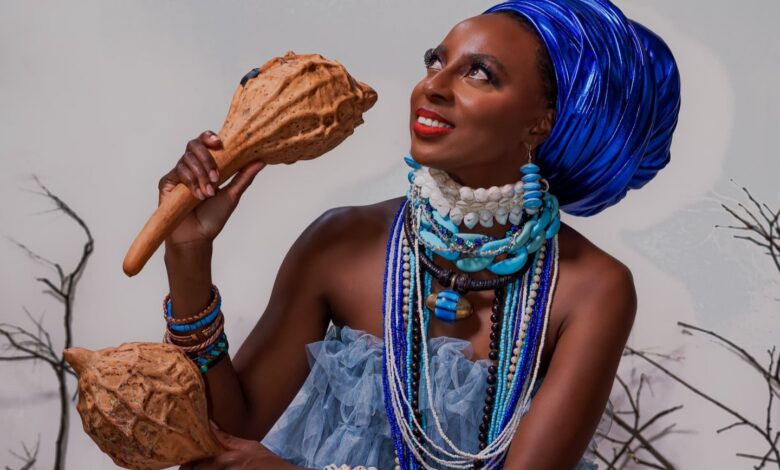
Hope Masike’s quest to reclaim and preserve Africa’s intellectual heritage through music received a major boost after the Zimbabwean mbira musician participated in the second UNISA African Music Festival and Symposium at Muckleneuk Campus in Pretoria. As the only Zimbabwean participant at the gathering, Masike described the experience as both humbling and valuable, particularly because it brought together musicians, scholars and educators from across the region. The event created an important platform for discussions about the preservation, teaching and development of African music within formal education systems. Masike used the opportunity to share her research and knowledge of the mbira while engaging with other practitioners who are working to strengthen the position of indigenous African music. Her participation also reinforced her growing role as a musician, researcher, educator and advocate for the preservation of traditional musical knowledge.
Masike’s presentation, titled ‘Mbira Mberi/Mbira Forward: Reconceptualising Mbira as a Currency of Cultural and Economic Value’, focused on the broader significance of the mbira beyond its role as a musical instrument. She explored how the instrument carries cultural knowledge, identity, history and economic potential within African communities. Her argument reflects a wider need to reconsider indigenous instruments as living forms of knowledge rather than viewing them simply as remnants of the past. The presentation also connected closely with the ideas explored in her book, ‘Mbira Mberi/Mbira Forward’, which examines the cultural importance of the instrument and the traditions surrounding it. By placing the mbira within both cultural and economic discussions, Masike highlighted how African communities can protect their heritage while also finding ways to ensure that it remains relevant in modern society.
The symposium also gave Masike an opportunity to introduce two important films connected to Zimbabwean mbira culture. These included ‘The Queen of Mbira: Stella Chiweshe’ and ‘The Spirit of the People’ by Simon Bright, both produced during the 1980s. The films provided another avenue through which audiences could engage with the history, performers and cultural meaning associated with the mbira. Their inclusion in the programme helped demonstrate the value of preserving archival material that documents African musical traditions and the people who have played a role in sustaining them. For Masike, the films also formed part of a broader effort to ensure that African musical heritage remains accessible to students, researchers, performers and future generations.
Speaking about the experience, Masike said she was grateful for the opportunity to exchange knowledge with musicians and scholars from different parts of Africa. She explained that the symposium was particularly significant because participants were discussing the development of a formal syllabus for African music. One of the key areas under discussion was the possibility of creating a universal grading system for practical examinations that could cover mbira and its different forms. Zimbabwe’s participation was important because of the country’s strong relationship with mbira music, but the discussions extended beyond Zimbabwe to include mbira types found in South Africa and other parts of Africa. The conversations therefore pointed towards a possible framework that could help African indigenous instruments gain a stronger and more consistent place within formal music education.
The proposed syllabus could have important implications for how traditional African music is taught and assessed in schools and tertiary institutions. A structured curriculum could give students a clearer pathway for learning indigenous instruments while also recognising the cultural knowledge that accompanies musical practice. It could also help address gaps that have historically existed between Western music education systems and African musical traditions. By developing systems that acknowledge different African instruments and musical practices, educators could create learning environments that better reflect the continent’s cultural diversity. Masike’s contribution to these discussions is particularly relevant because her work combines practical musicianship with research, teaching and cultural advocacy. The symposium also featured live performances over two evenings, giving participants and audiences an opportunity to experience African music alongside the academic discussions.
Masike has consistently argued that indigenous African instruments should be embraced, studied and developed rather than allowed to disappear from contemporary cultural life. She believes traditional music contains an extensive body of knowledge that deserves the same attention given to other established areas of education and research. The concept of Indigenous Knowledge Systems provides an important framework for understanding why African musical traditions need to be documented and passed between generations. Traditional music can contain information about community history, spirituality, social structures, language, storytelling and cultural practices. For Masike, keeping these traditions relevant requires continuous learning and development so that they can adapt to changing generations without losing their essential cultural foundations.
Her comments also highlight the potential economic value of African cultural heritage. Masike describes heritage as a form of currency when it is properly understood, protected and utilised. This perspective places indigenous music within a broader conversation about cultural industries, education, tourism, publishing, performance and creative entrepreneurship. The mbira can therefore serve not only as a symbol of Zimbabwean identity but also as a source of opportunities for musicians, teachers, researchers, instrument makers and other cultural practitioners. Protecting the knowledge surrounding the instrument can help ensure that its benefits extend beyond individual performances and into education and community development. This approach also challenges the idea that traditional music must remain fixed in the past, instead presenting it as a living practice capable of evolving while retaining its cultural importance.
Much of Masike’s current advocacy is connected to her book ‘Mbira Mberi/Mbira Forward’, which she believes can become an important resource for music students interested in traditional instruments. The publication provides readers with detailed information about the mbira, its cultural significance and traditions associated with the instrument. Masike has described the book as an eye-opening resource that can assist students with assignments and provide deeper insight into African traditional music. Revered author and academic Ignatius Mabasa edited the publication, adding another layer of academic and literary expertise to the project. The book has also received endorsements from several universities that offer music studies, while schools have shown strong interest in obtaining copies for learners.
The development of the book followed approximately one-and-a-half years of extensive research by Masike. That research reflects the seriousness with which she approaches the documentation of mbira traditions and the preservation of African musical knowledge. Rather than limiting the instrument to its performance function, the publication examines the cultural practices and knowledge systems that give the mbira its deeper meaning. This makes the book relevant to readers who want to understand not only how the instrument is played but also why it remains important within African communities. Its potential use across different levels of education could also help introduce younger learners to indigenous music before they reach tertiary studies. In this way, the publication supports Masike’s broader goal of ensuring that African musical heritage remains part of everyday education and cultural development.
The importance of Masike’s work has gained additional relevance since mbira music was inscribed on the UNESCO Representative List of the Intangible Cultural Heritage of Humanity in December 2020. The recognition strengthened international awareness of the mbira’s cultural importance and highlighted the need to safeguard the traditions associated with it. UNESCO recognition does not mean that preservation happens automatically, however, and continued research, teaching and transmission remain essential. Musicians and educators such as Masike can play an important role in ensuring that recognition translates into practical opportunities for learning and cultural preservation. Her research, performances, teaching and writing provide several ways for audiences to engage with the mbira and understand its place within African heritage.
Masike’s contribution to African music extends beyond ‘Mbira Mberi/Mbira Forward’. She has also published ‘Ask Me Again’ in 2020, ‘Dzevabvazera’ in 2022, ‘Die With Me: Horror and Short Story’ in 2023 and ‘Our Sacred Place: Love Poems and Short Stories Inspired by the Book of Solomon’ in 2024. These publications demonstrate the breadth of her creative interests and her commitment to using writing as another method of sharing knowledge and artistic expression. Her work across music, literature, administration, mentorship and education has allowed her to approach African culture from several different perspectives. This combination of disciplines has also strengthened her ability to communicate with performers, students, academics and wider audiences. Her latest involvement in the UNISA African Music Festival and Symposium therefore fits into a much larger body of work focused on cultural education and preservation.
The discussions at the UNISA symposium also point to the importance of collaboration among African countries when developing approaches to indigenous music education. Instruments such as the mbira exist in different forms across the continent, with each tradition carrying its own history, techniques and cultural context. A shared educational framework would therefore need to recognise these differences while identifying common principles for teaching and assessment. Such collaboration could create stronger networks among African musicians, universities, schools and cultural organisations. It could also encourage more research into indigenous instruments that have received limited attention within formal academic systems. Masike’s participation as the sole Zimbabwean representative gave Zimbabwe an opportunity to contribute its extensive mbira knowledge to this wider continental conversation.
For Masike, reclaiming African music’s intellectual heritage involves more than preserving old songs, instruments or performances. It requires documenting knowledge, creating educational resources, encouraging research and ensuring that young people have opportunities to learn indigenous musical traditions. Her work demonstrates how musicians can contribute to cultural preservation while also participating in academic and educational discussions. The growing interest in ‘Mbira Mberi/Mbira Forward’ suggests that there is a demand for resources that place African instruments and knowledge systems at the centre of music education. As discussions around formal African music syllabuses continue, contributions from practitioners with direct experience of indigenous musical traditions will remain important. Masike’s work therefore represents a sustained effort to ensure that the mbira and the knowledge surrounding it remain relevant for future generations.