Zim Ninja Academy National Martial Arts Tournament Highlights Growth of Martial Arts in Zimbabwe
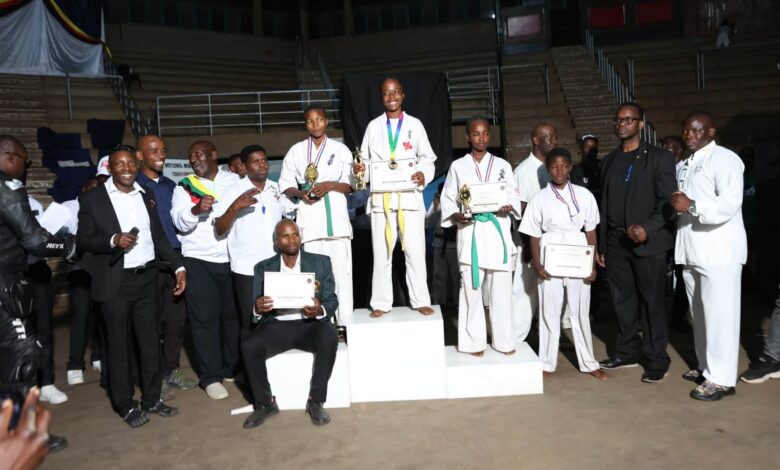
More than 200 competitors from across Zimbabwe gathered at Harare City Sports Centre on Saturday for the inaugural Zim Ninja Academy National Martial Arts Tournament, creating a major showcase for the country’s growing martial arts community. The event brought together young beginners and experienced athletes who competed in different age groups across Full Contact Karate and Kobudo. With medals, trophies and prize money at stake, competitors had an opportunity to test their skills in a national-level tournament. The large turnout also demonstrated the interest that martial arts continues to attract among Zimbabwean athletes and families. Beyond the sporting action, the tournament used competition as a platform to promote discipline, healthy living, youth development and positive choices.
The Zim Ninja Academy National Martial Arts Tournament provided competitors with an opportunity to compete against athletes from different parts of the country. For beginners, the event offered valuable exposure to organised competition and the experience of performing in front of fellow athletes, families and supporters. More experienced competitors were able to measure their preparation and abilities against opponents from outside their usual training environments. The different age groups also created space for athletes at various stages of development to participate in the tournament. This combination helped make the event both a competitive sporting occasion and an opportunity for the martial arts community to grow.
Competitors took part in Full Contact Karate and Kobudo, giving the tournament a broad technical focus. Full Contact Karate requires athletes to combine physical conditioning, technique, timing and discipline while competing under established rules. Kobudo, which involves traditional martial arts weapons, adds another dimension to martial arts training and competition. Bringing the two disciplines together allowed participants to demonstrate different areas of skill and preparation. The presence of both experienced practitioners and young competitors also created an environment where developing athletes could learn from those with greater competition experience.
The tournament carried a message that extended beyond winning medals and trophies. Its theme, “Building a Drug-Free Generation Through Sport,” placed youth development and healthy lifestyles at the centre of the event. The organisers used martial arts as a way of encouraging young people to spend their time in structured activities that require commitment, focus and regular training. Sport can also provide young athletes with positive goals and opportunities to develop relationships with coaches, teammates and other members of their communities. By linking martial arts with a drug-free message, the tournament highlighted the potential role of sport in addressing wider social challenges affecting young people.
Sports and Recreation Commission Director General Allen Mavunga, who attended the tournament as Guest of Honour, applauded the initiative and its wider social objectives. His presence reinforced the connection between organised sport and broader efforts to promote healthy communities. The event highlighted values such as discipline, resilience and commitment, all of which are central to martial arts training. These qualities can benefit young participants beyond the competition floor by encouraging them to approach education, work and personal responsibilities with greater focus. The tournament therefore presented martial arts as an activity that can contribute to both athletic development and personal growth.
The event also attracted people from outside the martial arts community, making it broader than a conventional tournament. Leaders and practitioners from different sporting disciplines attended alongside members of the Zimbabwe Republic Police, entertainers, bikers, corporate partners and families. Their participation created a diverse audience and helped connect martial arts with other parts of Zimbabwe’s sporting and social landscape. Families in particular played an important role by supporting young competitors and creating an encouraging atmosphere around the competition. The involvement of different groups showed how a sporting event can bring together people with varied interests around a shared focus on youth and community development.
For the competitors, the opportunity to compete at a national tournament also provided an important test of preparation. Martial arts athletes spend considerable time developing technique, fitness, coordination and mental discipline before entering competitions. Facing opponents from different clubs and locations can expose athletes to styles and approaches they may not regularly encounter during training. The prospect of receiving medals, trophies and prize money added another competitive incentive for participants. More importantly, the experience gave young athletes an opportunity to understand the demands of tournament competition and the importance of preparation.
The inaugural nature of the Zim Ninja Academy National Martial Arts Tournament gave the event additional significance for Zimbabwe’s martial arts community. A national competition that attracts more than 200 participants creates a meeting point for athletes, coaches, families and supporters from different areas. Such events can help build relationships between clubs and practitioners while giving developing athletes greater exposure to competitive opportunities. They can also help introduce martial arts to families who may be unfamiliar with the disciplines. The strong participation at the first edition provides a clear indication of the level of interest surrounding the tournament.
The social message behind the competition was equally important. The theme of building a drug-free generation through sport positioned the tournament as part of a wider conversation about how young people can use their time and energy constructively. Martial arts training requires regular attendance, respect for instructors, controlled physical activity and adherence to competition rules. These elements can create a structured environment in which young athletes develop habits that support healthy lifestyles. The tournament demonstrated how sporting activities can combine competition with messages about personal responsibility and community wellbeing.
The gathering also created an opportunity for Zimbabwe’s wider sporting community to recognise the contribution of martial arts to national sport. The presence of sporting leaders, law enforcement representatives, entertainers, businesses and families showed that martial arts can attract interest beyond specialist practitioners. Corporate partners can support events through resources and sponsorship, while families provide important encouragement for young athletes. Community organisations and other institutions can also help create opportunities for children and young people to participate in organised sport. These connections can strengthen the environment in which martial arts clubs and athletes develop.
The success of the inaugural Zim Ninja Academy National Martial Arts Tournament has placed greater attention on the role of martial arts in Zimbabwe’s sporting landscape. More than 200 competitors took part, combining the energy of young beginners with the experience of established athletes. The competition provided medals, trophies and prize money, but its wider purpose focused on discipline, healthy lifestyles, youth development and the promotion of a drug-free generation. The involvement of different sporting and community groups further expanded the event beyond the competition floor. As Zimbabwe’s martial arts community continues to develop, tournaments of this nature can provide athletes with valuable opportunities to compete, learn and build connections while using sport as a positive force in their communities.