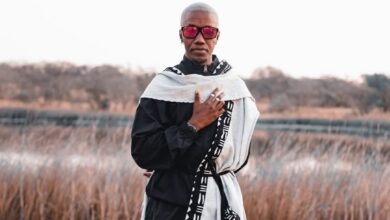
Shingai Takes Zimbabwe’s Environmental Message to COP31 Through Powerful Performance of ‘Mhondoro’

Zimbabwean musician Shingai is bringing the country’s environmental story to the international stage through her performance of ‘Mhondoro’, using music to highlight the importance of protecting nature, preserving cultural heritage and addressing the growing impact of climate change. Her performance comes at a significant moment as Zimbabwe prepares to participate in the 31st Conference of the Parties (COP31), where climate action, environmental protection and support for vulnerable communities will remain important issues. Through the song, Shingai connects Zimbabwe’s cultural identity with the urgent need to safeguard the natural environment for future generations. Her contribution also highlights the growing role of artists in international conversations about climate change and sustainable development. As countries face increasing environmental pressures, music offers a powerful way to communicate messages that extend beyond political discussions and scientific presentations. With ‘Mhondoro’, Shingai is giving Zimbabwe an opportunity to share its environmental concerns, cultural values and hopes for the future through an artistic expression rooted in the country’s heritage.
The performance carries particular significance because Zimbabwe is preparing to engage with international partners on the environmental challenges affecting the country and other vulnerable nations. Climate change continues to create serious pressures across Southern Africa, where changing rainfall patterns, droughts, extreme temperatures and other weather-related challenges affect communities and economic activities. Zimbabwe is especially concerned about the consequences of climate-related disasters for agriculture, water availability, food security and rural livelihoods. These challenges demonstrate why environmental protection and climate adaptation have become important priorities for the country. As Zimbabwe approaches COP31, its participation provides an opportunity to highlight the experiences of communities dealing with the effects of a changing climate. Shingai’s performance adds a cultural dimension to these discussions by presenting environmental protection as an issue connected to identity, history and everyday life.
Another important development comes from Zimbabwe’s announcement that the Environmental Amendment Bill has passed. The legislative development represents another step in the country’s efforts to strengthen its response to environmental challenges through changes to its legal framework. Environmental legislation plays an important role in establishing responsibilities, guiding conservation efforts and providing mechanisms for addressing activities that threaten natural resources. However, the effectiveness of any legislative framework also depends on implementation, enforcement and the resources available to relevant institutions. As Zimbabwe continues to confront environmental pressures, stronger policies and practical action will remain important in protecting ecosystems and supporting sustainable development. The passage of the bill therefore provides an important backdrop to the country’s engagement with the international climate agenda. It also reinforces the connection between national environmental priorities and the wider global effort to address climate change.
Zimbabwe’s participation in COP31 is also expected to focus on the need for greater access to the Loss and Damage Fund. The fund is intended to help developing countries address the economic and non-economic consequences of climate-related impacts that cannot be adequately avoided through mitigation or adaptation alone. For vulnerable communities, these losses can include damaged infrastructure, destroyed crops, lost livelihoods and harm to important cultural and natural resources. Countries with limited financial capacity often face significant difficulties recovering from severe climate-related events while also investing in long-term development. Greater access to international climate finance can help affected nations strengthen their recovery efforts and respond to unavoidable losses. Zimbabwe’s interest in the fund reflects the importance of ensuring that countries experiencing serious climate impacts receive meaningful support. The issue also highlights the need for international climate commitments to translate into practical assistance for communities on the ground.
Against this background, ‘Mhondoro’ becomes more than a musical performance. The song draws on Zimbabwean heritage and the country’s deep cultural relationship with the natural environment. In many Zimbabwean communities, land, forests, rivers, mountains and wildlife hold significance that extends beyond their economic value. They are connected to cultural traditions, community histories and ways of life passed from one generation to another. The title ‘Mhondoro’ also carries cultural associations within Zimbabwean traditions, although its precise meaning and interpretation can vary across contexts. By drawing on this heritage, Shingai’s performance offers an opportunity to communicate the importance of protecting the environment as part of preserving the country’s identity. The message encourages audiences to recognise that nature is not simply a collection of resources but an important part of the cultural and social foundations of Zimbabwean communities.
Music has long played an important role in communicating social messages, expressing cultural identity and bringing people together around shared concerns. In Zimbabwe, musicians have used their platforms to address subjects ranging from national history and social change to community experiences and cultural preservation. Environmental protection is another issue that artists can explore through their work, particularly as climate change increasingly affects people’s daily lives. A song can communicate complex concerns in a way that is accessible to audiences across different backgrounds and generations. It can also encourage conversations that extend beyond formal meetings and political platforms. Shingai’s decision to bring ‘Mhondoro’ into the COP31 conversation demonstrates how creative expression can complement scientific evidence, environmental policy and international negotiations. Her performance gives the environmental debate a human and cultural perspective by connecting global challenges with the experiences and values of ordinary people.
The involvement of artists in climate advocacy is becoming increasingly relevant as the international community seeks better ways to communicate the urgency of environmental action. Scientific reports and policy discussions provide essential information about climate risks, but cultural expression can help audiences understand why those issues matter to their communities. Musicians, filmmakers, writers and other creatives can use their platforms to encourage environmental awareness and promote responsible attitudes towards natural resources. Their work can also help preserve traditional knowledge about the environment, including the cultural practices and community relationships that have shaped how people interact with nature. In this respect, Shingai’s performance represents an intersection between music, heritage and environmental advocacy. It highlights the possibility of using Zimbabwean artistic talent to contribute to conversations that have global importance.
Protecting Zimbabwe’s natural heritage also has direct implications for the livelihoods of communities across the country. Agriculture remains an important source of income and food for many households, making reliable rainfall, healthy soils and access to water essential for rural development. Forests and other natural ecosystems also provide resources that communities depend on for their daily needs and economic activities. Environmental degradation can place additional pressure on these resources, making it harder for vulnerable households to maintain their livelihoods. Climate change can intensify existing environmental problems, particularly where communities have limited access to irrigation, infrastructure and financial support. These realities demonstrate why environmental protection must be considered alongside economic development and social welfare. The message behind ‘Mhondoro’ therefore speaks to concerns that extend beyond conservation, reaching issues of food security, community resilience and long-term prosperity.
Zimbabwe’s cultural heritage is closely connected to its natural environment, making conservation an important part of preserving the country’s identity. Mountains, rivers, forests and wildlife contribute to the landscapes that have shaped local traditions, community histories and national tourism. These natural assets also support biodiversity and provide ecological services that are essential for maintaining healthy ecosystems. Protecting them requires cooperation between government institutions, communities, conservation organisations and individuals. Environmental laws can establish the necessary framework, but lasting progress also depends on public awareness and responsible behaviour. Cultural initiatives such as Shingai’s performance can help reinforce the idea that environmental responsibility is a shared obligation. By connecting the protection of nature with the preservation of heritage, her message encourages a broader understanding of what is at stake.
The Loss and Damage Fund discussion also raises important questions about fairness and responsibility in global climate action. Developing countries often have fewer financial resources to prepare for climate-related disasters, even as their communities experience serious consequences from environmental changes. Access to funding can help affected countries rebuild damaged infrastructure, restore livelihoods and address losses that cannot be prevented through existing adaptation measures. However, financial commitments must be supported by practical access arrangements that allow vulnerable nations to receive assistance when they need it. Zimbabwe’s position at COP31 will therefore be important in communicating the challenges faced by its communities and the support required to strengthen their resilience. The country’s environmental priorities also reflect a wider concern shared by many developing nations about the need for fairer international climate cooperation. Shingai’s performance helps bring a cultural voice to these concerns, reminding international audiences that climate negotiations ultimately affect people, communities and the places they call home.
Through ‘Mhondoro’, Shingai is helping position Zimbabwean music within a wider conversation about environmental sustainability and climate responsibility. Her performance demonstrates that the arts can contribute to international discussions without losing their connection to local identity and cultural traditions. It also provides an opportunity to showcase Zimbabwe’s creative talent while drawing attention to the environmental issues facing the country. As Zimbabwe prepares for COP31, the combination of legislative developments, climate finance priorities and cultural advocacy reflects the different approaches needed to address environmental challenges. No single intervention can protect communities from every climate-related risk, but cooperation between governments, international partners and citizens can strengthen the country’s response. Artists also have a role to play by encouraging awareness and making environmental issues part of everyday public conversations. Shingai’s contribution shows how music can help communicate these concerns in a way that connects national heritage with global responsibility.
Shingai’s performance of ‘Mhondoro’ at the COP31 stage offers Zimbabwe an opportunity to share a message that goes beyond climate policy and international negotiations. It brings together music, cultural identity and environmental protection at a time when the country is strengthening its legislative response and seeking greater support for communities affected by climate change. The passage of the Environmental Amendment Bill and Zimbabwe’s focus on accessing the Loss and Damage Fund highlight the importance of both national action and international cooperation. Through her music, Shingai reminds audiences that protecting the environment is also about safeguarding livelihoods, traditions and the natural heritage that future generations deserve to inherit. Her performance reinforces the value of creative voices in building awareness around urgent global challenges. Ultimately, the message of ‘Mhondoro’ is clear: protecting the earth means protecting Zimbabwe’s history, its people and the future of its communities.